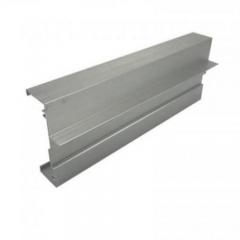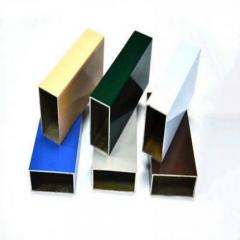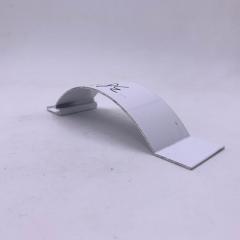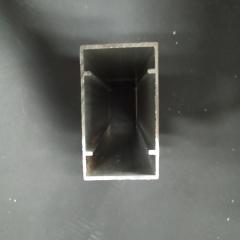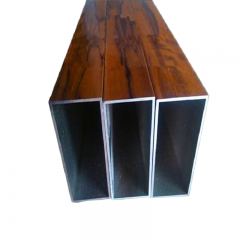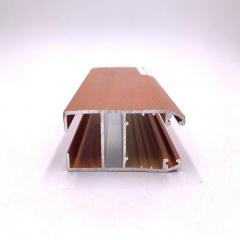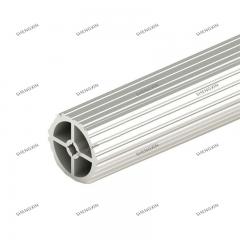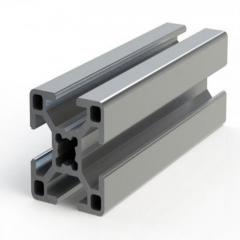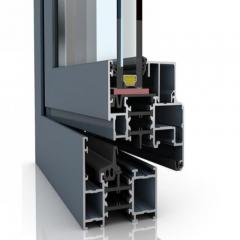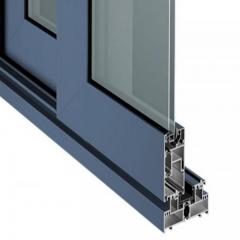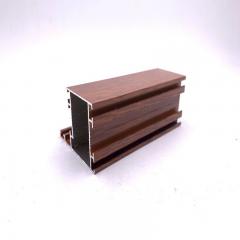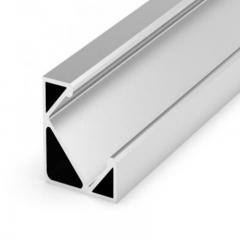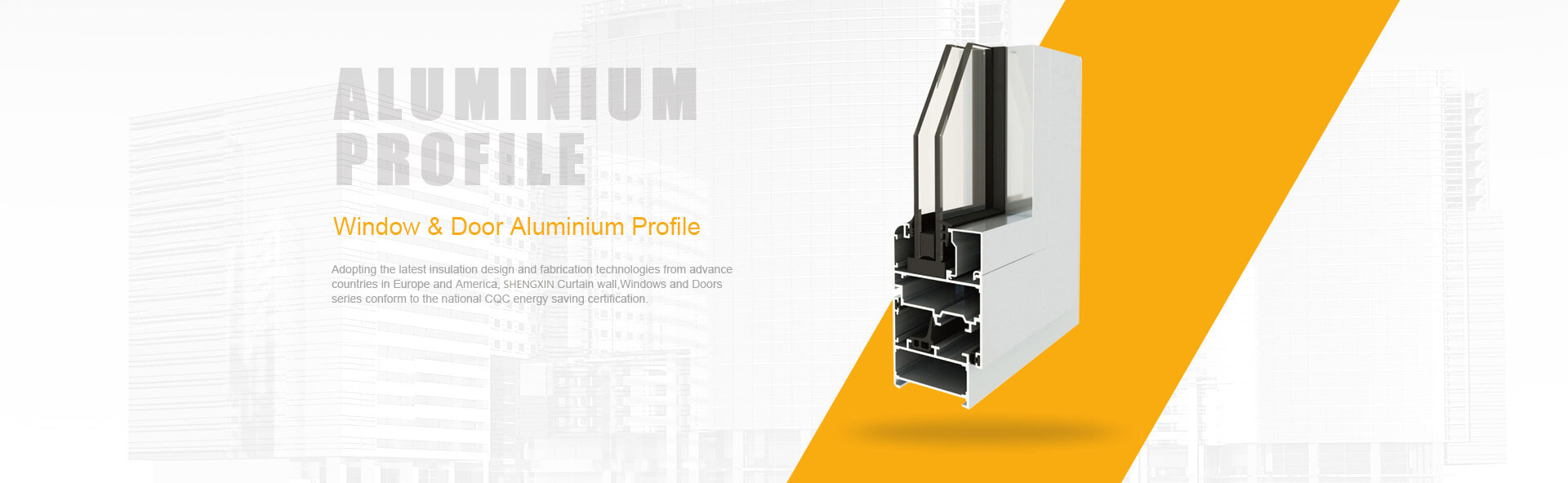
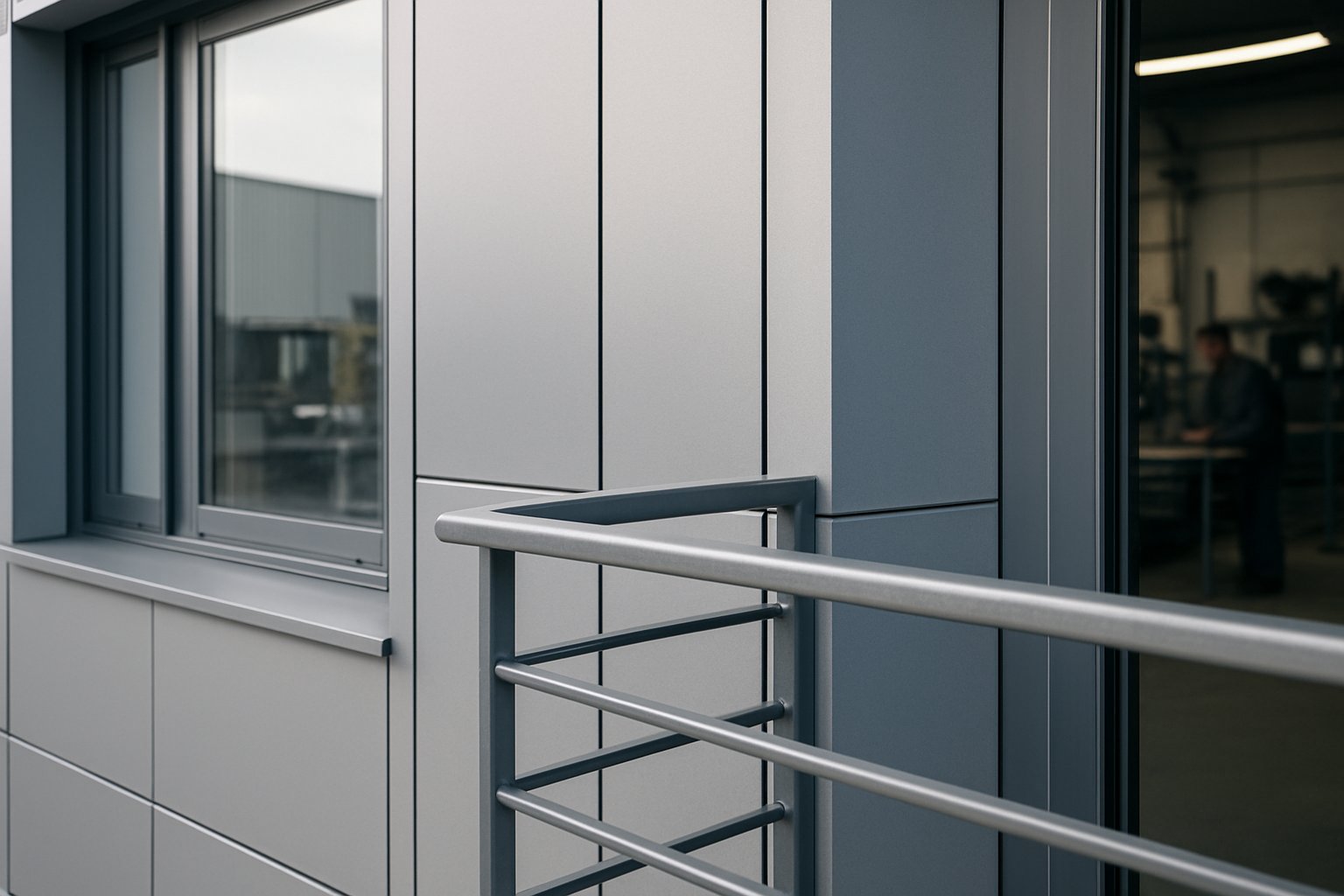
Powder coated aluminium is aluminium finished with a dry powder that is sprayed on electrostatically and then cured with heat to create a continuous decorative and protective surface.
That simple definition explains why this finish shows up so often in buildings, products, and industrial components. In plain terms, powder coating aluminium gives the metal color, texture, and an added barrier against wear and weather. Sources from Hydro and Crest both describe the process as a dry-applied finish that is cured into a solid film.
In an aluminium powder coating system, the coating starts as a fine dry powder rather than a liquid. It is sprayed onto the metal surface, held in place by electrostatic charge, and then heated so it melts, flows, and cures into a uniform layer. The result is a finish chosen as much for appearance as for protection.
Aluminium is a popular substrate because it is lightweight, easy to form into profiles and panels, and naturally corrosion resistant. It is also widely used in architectural and industrial products, from window systems to extrusions and cladding. That makes powder coated aluminium a practical finish option when buyers want durable color and a consistent look on shaped parts. In many cases, people choose to powder coat aluminium not because bare aluminium is unusable, but because the application needs a specific visual finish, added surface protection, or easier cleaning.
The clearest difference is the material form. Liquid paint uses wet coating chemistry and dries as solvents evaporate. Powder coating uses dry particles and heat curing. In buyer-friendly terms, that often means a tougher, thicker finish than conventional wet paint, though the outcome still depends heavily on how the metal is prepared before coating.
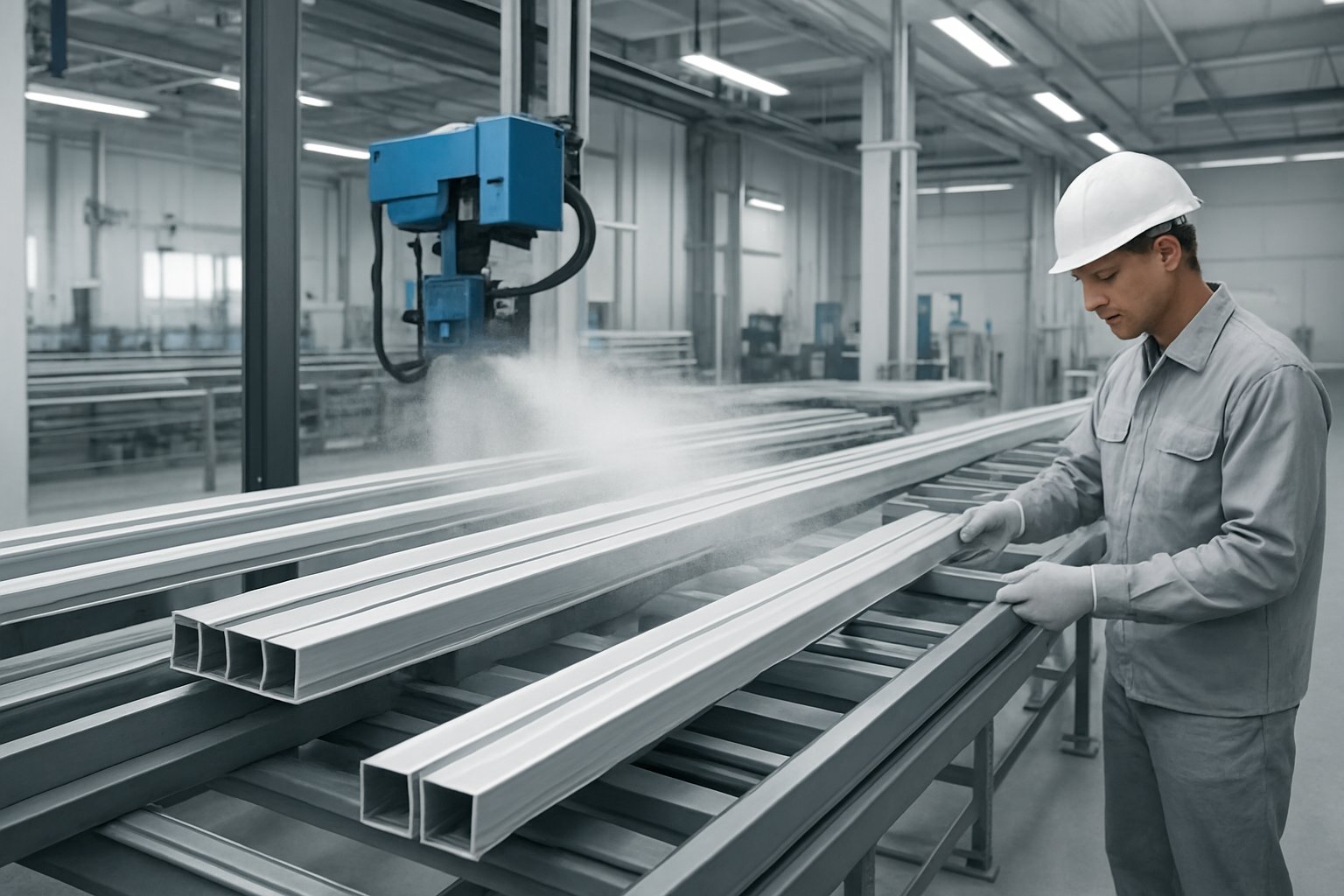
The finish may look simple from the outside, but the visible color is only the last step in a much longer aluminium powder coating process. For buyers comparing powder coating for aluminium, the smartest question is rarely about shade alone. It is how the metal is cleaned, prepared, and checked before approval.
A beautiful finish can still fail early if surface preparation is weak.
This is where many powder coating aluminium problems begin. Weak prep can show up later as blistering, flaking, filiform corrosion, chalking, or corrosion creeping from cut edges and corners. Products Finishing notes that salt spray testing can help compare systems, but it does not closely predict real-world field corrosion by itself. In other words, a panel can pass a lab check and still disappoint outdoors if the upstream process is inconsistent.
Questions about powder coating anodised aluminium also come up during refurbishment. If you are wondering, can anodised aluminium be powder coated, the answer is yes, but only with careful cleaning and sanding or abrasion so the new coating can bond properly.
Instead of relying on a showroom sample, ask for process evidence. Useful checks include:
That verification mindset matters because two parts can share the same color card yet age very differently once sunlight, moisture, and handling begin to test the finish.
Strong preparation keeps a finish from failing early, but buyers usually judge it by two things: how it looks and how it holds up. On both counts, powder coated aluminium has real strengths. The process is widely used on windows, doors, curtain walling, cladding, and other profiles because it combines appearance with protection, as outlined by Vertik-Al. Still, a good-looking sample is not the same as a risk-free choice. Exposure, edge detail, and powder chemistry all affect long-term results.
This finish works well when a project needs durable color, a consistent factory-applied appearance, and relatively low routine upkeep. It also gives specifiers broad freedom across aluminium powder coating colours, from understated neutrals to bold architectural shades. For exterior use, powder family matters. The Keyco comparison notes that polyester offers excellent UV and weather resistance, while epoxy has poor UV resistance and is better suited to indoor use. That is why polyester powder coated aluminium is commonly the safer direction outdoors.
| Benefits | Limitations |
|---|---|
| Durable barrier against corrosion, scratches, and wear. | Localized damage is often harder to blend neatly than the original factory finish. |
| Wide choice of colors, gloss levels, and textures. | Edges, corners, and cut areas need close attention during specification and handling. |
| Often lower routine maintenance than many wet-applied finishes. | Appearance can change over time in harsh UV, coastal, or polluted environments. |
| Works well on complex aluminium shapes and profiles. | Not every powder type performs equally well outdoors. |
The main trade-off is that the finish is only as strong as its weakest detail. A flat sample panel may look excellent, while sharp edges, fabricated joints, or frequently handled areas age faster. Buyers also sometimes focus on color code alone and miss the chemistry behind it. A finish suited to indoor equipment is not automatically the right choice for a sun-exposed facade or gate.
An aluminium powder coating colour chart is a useful starting point, but it cannot show the whole visual result. Gloss changes how much light reflects from the surface. Matte finishes look softer. Smooth gloss finishes look sharper and more reflective. A visible powder coated aluminium texture changes both appearance and touch, so a real sample matters more than a tiny swatch. That is why black powder coated aluminium can look very different in matte and smooth versions. The same goes for bronze powder coated aluminium or a powder coated aluminium wood finish selected for a warmer design feel. Those appearance choices matter, but they still sit inside a bigger decision: which finishing system fits the application best.
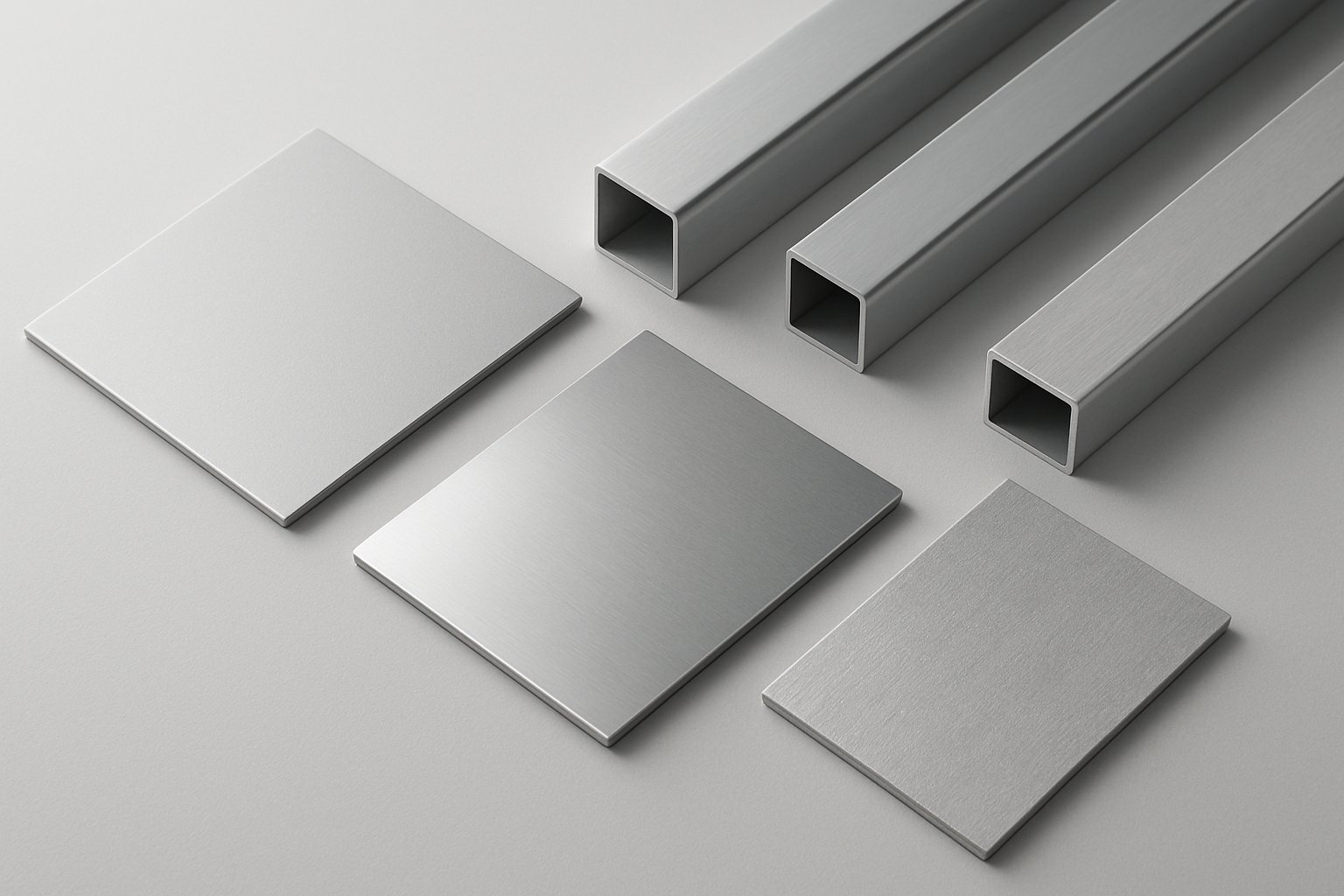
A finish can look perfect on a sample chip and still be the wrong choice on the actual part. The real decision is less about color and more about exposure, handling, repair expectations, and shape complexity. That is where powder coated aluminium needs to be judged against the main alternatives, not treated as the automatic default.
The core difference between anodised and powder coated aluminium is how the surface is formed. PTSMAKE explains that anodising is an electrochemical conversion of the aluminium surface into a protective oxide layer, while powder coating adds a cured film on top of the metal. In practical terms, anodising keeps a metallic look and can better preserve sharp detail, while powder offers far more freedom in color, gloss, and texture.
That makes anodised vs powder coated aluminium a question of priorities. If a project wants an integral finish with a crisp metal appearance, anodising may fit better. If it needs color flexibility, softer visual character, and good impact resistance, powder often wins. For anodised vs powder coated aluminium windows, this usually shows up as a design choice: anodising suits exposed metallic aesthetics, while powder works well when frames need to match broader façade palettes. As for anodised vs powder coated aluminium cost, avoid simple price-only comparisons. The anodising source notes that anodising cost varies with type, thickness, part size, quantity, and masking, while powder performance depends heavily on pretreatment and coating grade.
Wet paint and PVDF both solve problems that powder does not solve as neatly. Havant Sheet Metal notes that wet spraying is easier to touch up and better suited to custom colors, intricate effects, and heat-sensitive parts. That matters when repairability or visual blending is a higher priority than maximum film toughness.
For demanding exterior architecture, Mastercraft Finishers highlights why PVDF still holds a strong position. It offers proven color and UV stability, more predictable finish consistency, smaller custom color minimums, and easier touch-up than powder. Powder still brings real advantages, including low to no VOC emissions, no primer requirement, strong impact resistance, and broad gloss options. Mastercraft also notes that some advanced architectural powder systems are offered with long warranties, but PVDF remains the safer choice when long-term sun exposure and field repair matter most.
| Finish | How it compares in real use |
|---|---|
| Powder coated aluminium | Wide color, gloss, and texture range. Good physical durability and impact resistance. Lower routine maintenance. Harder to blend after damage, and edge preparation matters. |
| Anodised aluminium | Metallic, integral finish rather than a surface film. Strong corrosion and wear performance. Fewer visual options, and appearance can vary with alloy and surface preparation. |
| Wet-painted aluminium | Best for custom shades, intricate visual effects, and easier touch-up. Usually less durable than powder in wear-heavy service. |
| PVDF-coated aluminium | Excellent UV and color stability with a strong architectural track record. More consistent finish quality and easier repair than powder, but with more process steps and gloss limitations. |
| Untreated aluminium | Relies only on its thin natural oxide layer. Lowest finish complexity, but softer, plainer, and less protected in demanding environments. |
The finish choice becomes even more practical when tied to the product itself. Window frames, door edges, cladding panels, and railings all stress coatings differently, which is why application priorities matter just as much as finish chemistry.
The finish choice becomes much clearer when you look at what the aluminium part has to do in service. Powder coated aluminium windows and powder coated aluminium doors are usually judged by appearance consistency, weathering, and how clean the frames stay over time. Powder coated aluminium cladding faces broader sun exposure and often trickier maintenance access. Powder coated aluminium railings sit in another category again because they are touched constantly and exposed to rain, salt, and abrasion.
For window and door systems, visual consistency matters just as much as protection. Duco describes this finish as a durable, corrosion-protective option with a wide range of colors and surface looks, from matte to gloss.
Facade panels make coating choices more visible and more demanding. Xtra Metal highlights climate, design goals, maintenance needs, and budget as key factors when choosing a finish for aluminium cladding.
Railings combine finish performance with safety expectations. Wagner notes that aluminium already has natural corrosion resistance, while powder coating adds protection against scratches, moisture, and UV exposure.
That is where application turns into specification, because sheltered profiles, busy entry systems, and sun-beaten panels all need different questions before a finish is approved.
A window frame, railing post, and facade cassette can share the same color code and still need very different finish requirements. That is where specification earns its keep. For powder coated aluminium, long-term performance depends on exposure, shape, pretreatment, and inspection, not just the sample chip signed off in the meeting room.
Coastal and marine locations are the clearest example. Salt, wind, moisture, and airborne contaminants can work against the film over time, and AAMA 2604 and 2605 are commonly referenced for demanding architectural exposure. That same source also warns that harsh sites may call for more than a decorative topcoat alone, with metal preparation, pretreatment, primers, and suitable powder technology all affecting service life.
High-UV conditions create a different challenge: weathering and color retention. Guidance in the extrusion reference notes that darker shades may absorb more heat and can be more prone to gloss change or fading outdoors. Industrial settings add grime, pollution, and chemical exposure, while sheltered locations may place less stress on the finish. The key point is simple: environment changes the coating system you should ask for.
Specify the whole coating system, not just the color card.
With powder coated aluminium extrusions and other powder coated aluminium profiles, geometry matters. Deep channels, corners, recesses, and thin edges are harder to clean, coat, and inspect evenly. Good aluminium profile powder coating therefore starts with a defined pretreatment route, an outdoor-suitable or indoor-suitable powder family, and coating thickness requirements tied to the project standard instead of left vague.
Flat stock needs a different lens. For powder coated aluminium panels and powder coated aluminium sheet, buyers often focus on color uniformity across large visible areas, but edge coverage, handling damage, and batch consistency are just as important. If a quotation looks attractive mainly because of a low powder coated aluminium sheet price, it is worth asking what preparation, inspection, and certification are actually included before comparing it with another offer.
Questions about powder coated aluminium fire rating should also be framed carefully. The finish standard is not the same thing as a fire classification for the completed assembly. As outlined by QUALICOAT guidance, coating benchmarks focus on physical appearance, mechanical resistance, corrosion protection, and weathering. Where a powder coated aluminium fire rating is relevant, the tested compliance of the full product system is the detail to verify.
A well-written specification reduces surprises, but it does not remove the need to watch how the finish ages in service. Early warning signs, cleaning habits, and realistic repair options still decide whether the system performs as expected once weather and daily use take over.
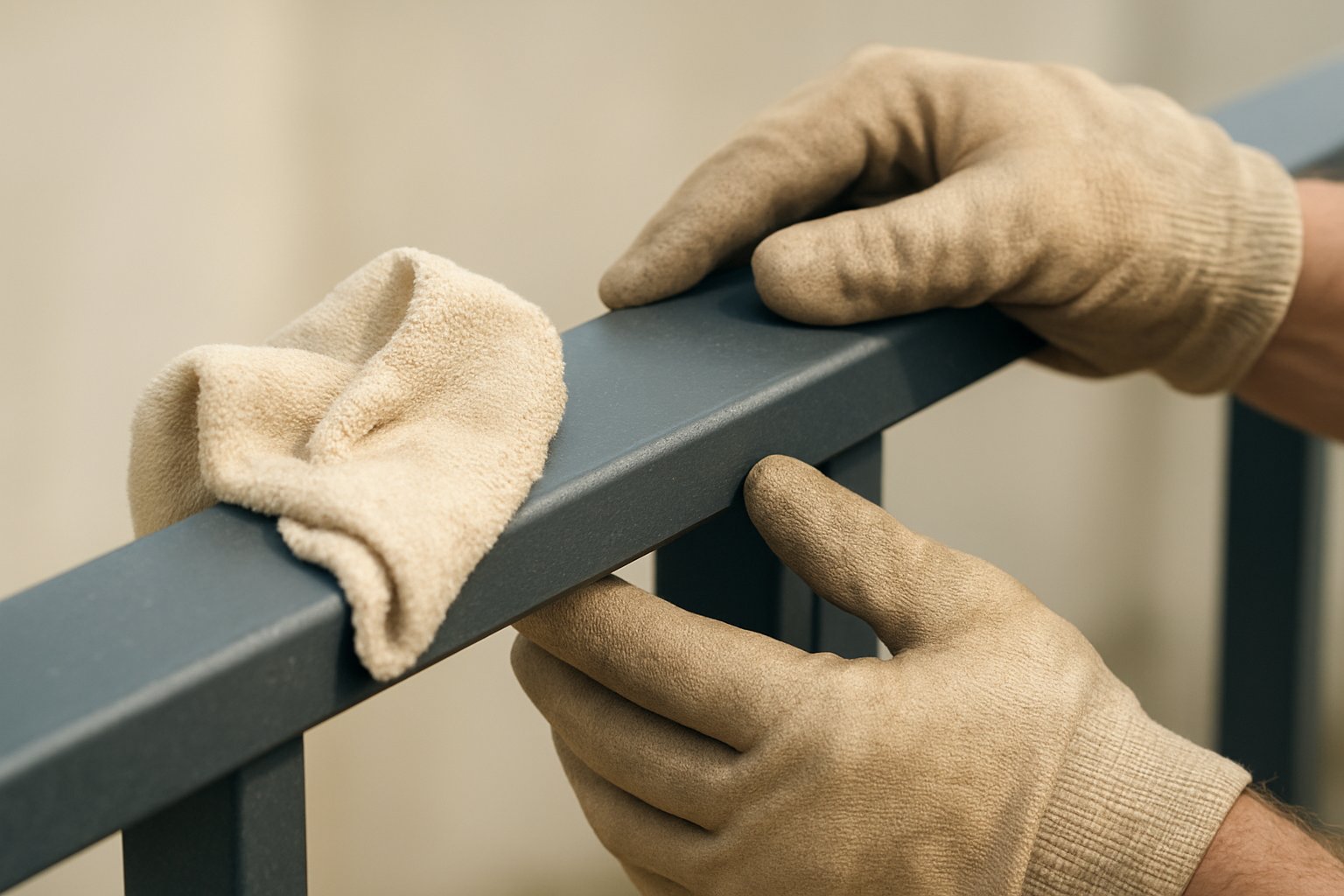
A specification can look right on paper, yet the finish shows its real quality only after weather, handling, and dirt start to test it. On aluminium, trouble often appears first at edges, holes, corners, and other stressed details. Guidance from QUALICOAT UK & Ireland highlights a hard truth: a coating may still look attractive while weak pretreatment is already setting up a later failure.
If you are asking does powder coated aluminium rust, the usual concern is corrosion under the coating rather than steel-like rust. Once moisture reaches exposed aluminium, oxidation can develop and the coating can lose adhesion.
| Symptom | Practical response |
|---|---|
| Chalking or dullness | Wash gently first. Reassess after repeated cleaning before assuming total finish failure. |
| Blistering or peeling | Check for adhesion loss. Cosmetic touch-up rarely fixes a failing coating system. |
| Corrosion from edges or holes | Investigate pretreatment and exposure. Recoating or replacement is often more realistic. |
If you need to know how to clean powder coated aluminium, start with the mildest method. For routine cleaning powder coated aluminium, Keystone Koating recommends mild soap and water, a soft sponge or cloth, a full rinse, and drying with a microfiber towel. Stubborn marks can be worked carefully with a soft-bristled brush. Low-pressure washing with a wide-angle head can help on larger surfaces, but only when the coating is still sound.
People searching how to polish powder coated aluminium are often trying to recover shine. In practice, that usually means careful washing and, where suitable, a wax layer for appearance, not abrasive polishing.
Small chips and light scuffs may suit limited powder coated aluminium scratch repair when the surrounding film is still tight and stable. That is also the starting point for anyone asking how to restore powder coated aluminium. But when the finish is blistering, flaking, or showing filiform corrosion, touch-up only hides the symptom. Full recoating or part replacement is usually the more honest fix. For readers researching how to remove powder coating from aluminium, think of that as a refinishing decision, not a maintenance step.
When the same defects keep showing up across edges, holes, or repeat batches, the issue is rarely just dirt or bad luck. It usually points back to process control, which makes supplier vetting just as important as day-to-day care.
Recurring edge failures usually point back to factory discipline, not just site conditions. When a project depends on coated extrusions, large sections, or visible architectural parts, supplier choice becomes part of finish performance. A search for aluminium powder coating near me may help with freight or lead time, but proximity alone does not confirm pretreatment quality, cure control, or inspection depth.
If you are still asking can aluminium be powder coated or can you powder coat aluminium after extrusion or fabrication, the practical answer is often yes. The real issue is whether the supplier can prepare, rack, coat, and inspect your exact profile without creating weak edges, color variation, or handling marks.
Aluphant emphasizes the same audit themes: press capability, powder coating line condition, curing oven calibration, inspection equipment, documentation, and traceability.
Capacity is more than a press number. Large or awkward sections need suitable extrusion size, careful hanging, and controlled movement through the coating line. Deep channels, sharp returns, and broad visible faces all increase the risk of thin coverage, rub marks, or uneven appearance. That matters on architectural work where multiple powder coated aluminium frames must match across an elevation.
For non-standard profiles, it helps to review suppliers that combine extrusion and finishing capability. One example is Shengxin Aluminum, which states it has 30 years of manufacturing experience and extruders up to 5500T. That kind of setup can be relevant when a project involves large or complex architectural and industrial profiles that need consistent finishing.
In short, compare aluminium powder coating services on process evidence, geometry fit, and inspection maturity first. The best choice is rarely the supplier with the nearest map pin. It is the one that can show why the finish should last.
Yes, anodised aluminium can be powder coated, but the old surface usually needs careful cleaning and light abrasion first so the new coating can bond properly. The main risk is poor adhesion, not the aluminium itself. If you are considering refurbishment, ask the coater how it prepares anodised parts and what inspection checks it uses before approval.
Aluminium does not rust like steel, but it can still corrode if the coating is damaged or poorly bonded. Problems often begin at edges, holes, scratches, and corners where moisture can creep under the film. If you notice blistering, flaking, or thread-like corrosion marks, the issue is usually more serious than surface dirt.
Neither finish is automatically better. Powder coated aluminium is often the stronger choice when you want broad colour options, texture, and a more decorative surface on frames, panels, or railings. Anodised aluminium is often preferred when a metallic look, sharper visual detail, and an integral oxide finish matter more than colour flexibility.
Use mild soap, water, and a soft cloth or sponge, then rinse well and dry if needed. Avoid abrasive pads, harsh cleaners, and aggressive polishing, especially on older or already damaged areas. Routine washing matters most in coastal, roadside, and polluted environments because salt and grime can shorten the finish life if left in place.
Ask about pretreatment for aluminium, curing control, coating thickness checks, visual inspection, and experience with parts similar to yours. For large or complex extrusions, also confirm line capacity, handling methods, and how finish consistency is maintained across multiple profiles. As one example of the kind of capability to verify, Shengxin Aluminum highlights integrated extrusion and powder coating support, including large press capacity for architectural and industrial profiles.



 serviço on-line
 0086 136 3563 2360
 sales@sxalu.com
 +86 136 3563 2360
 português
 English
 français
 Deutsch
 русский
 español
 العربية
 ไทย
ไทย Việt
Việt Українська