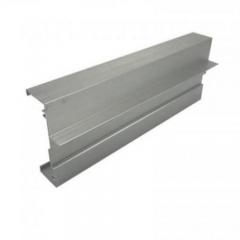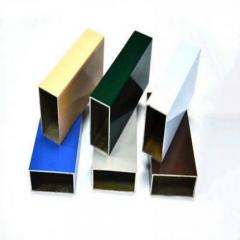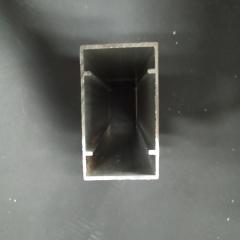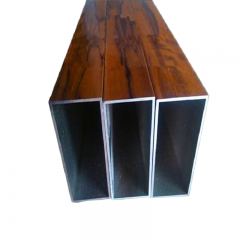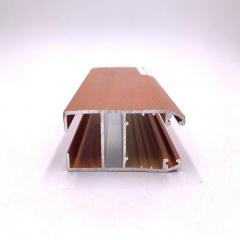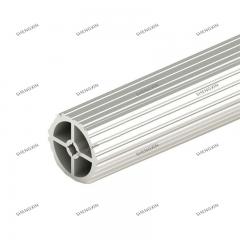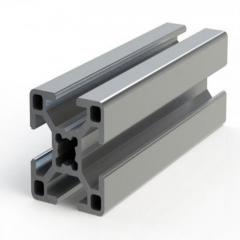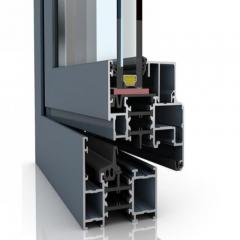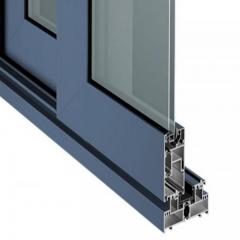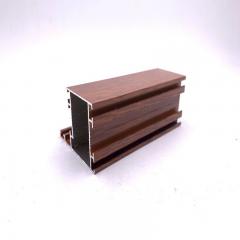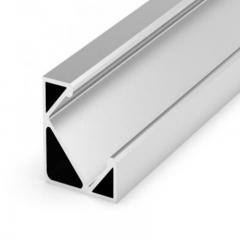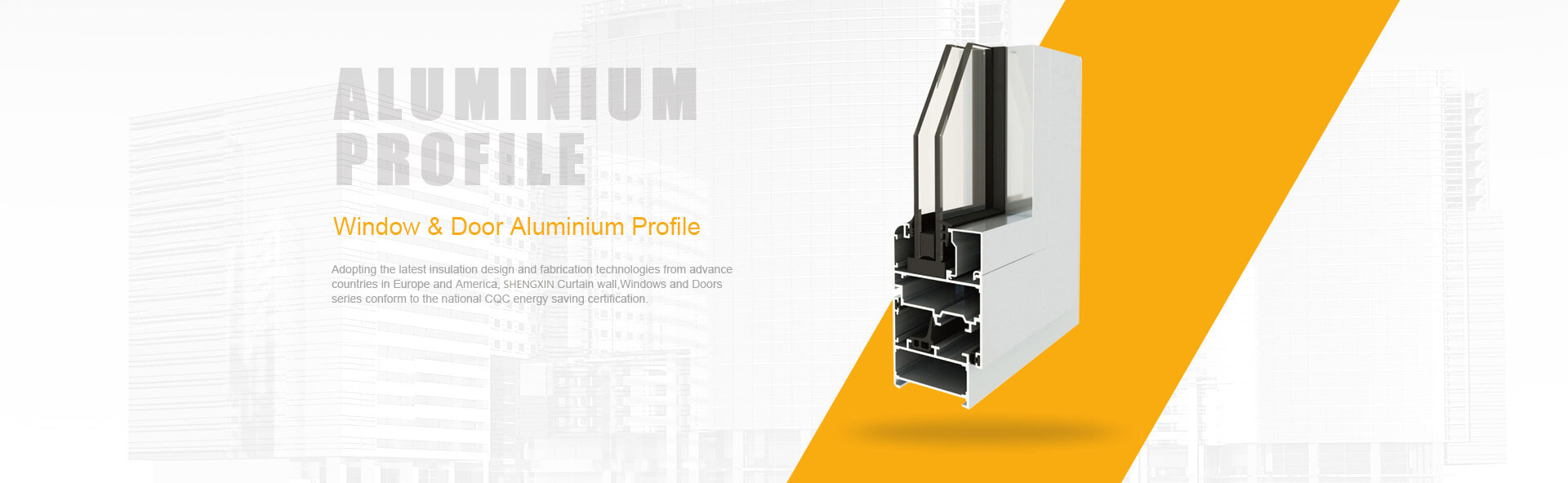
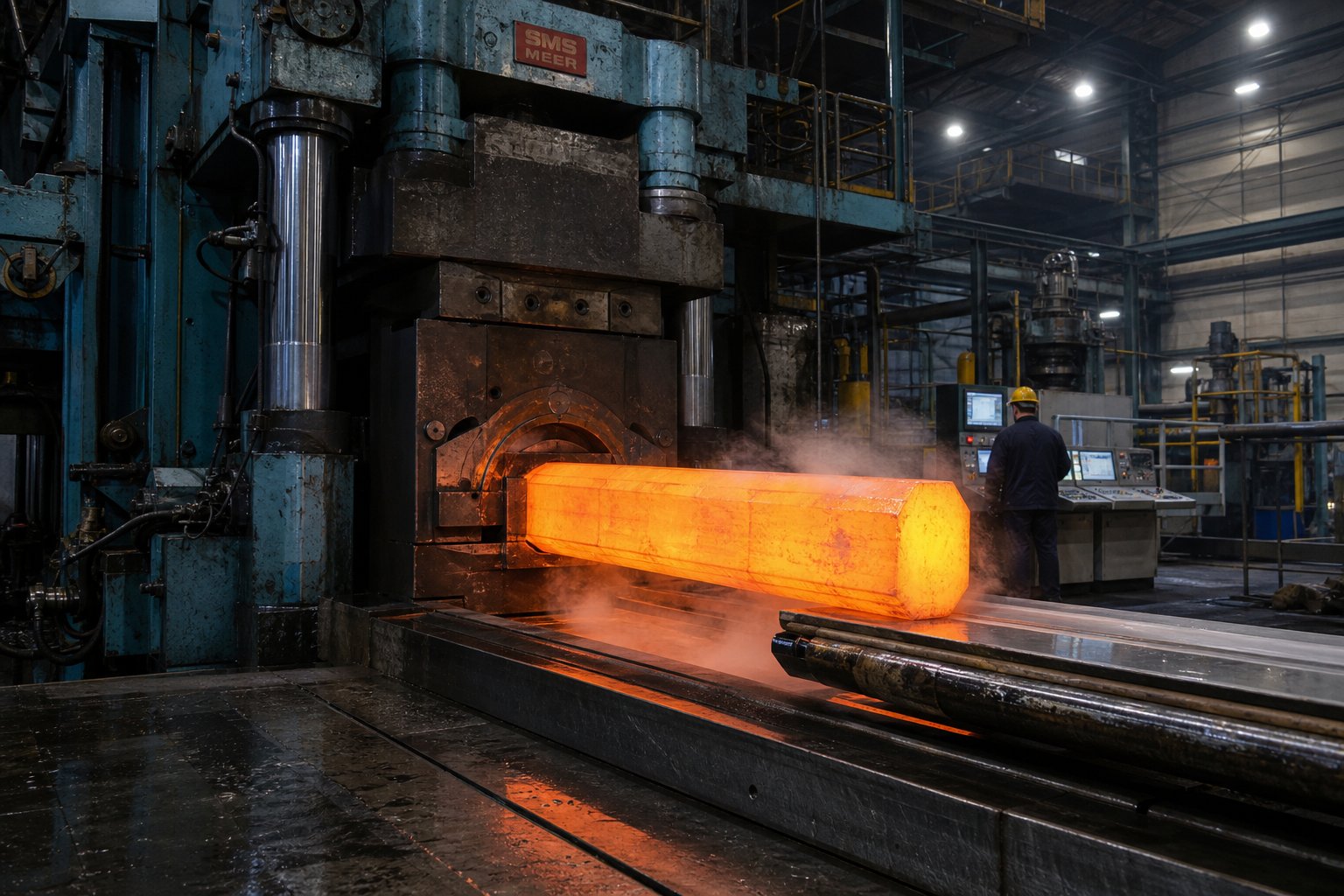
Ever wondered how those sleek aluminum window frames, intricate heat sinks, or sturdy structural beams come to life? The answer lies within an aluminum extrusion factory—a specialized manufacturing facility where raw aluminum transforms into precisely shaped profiles that power countless industries.
An aluminum extrusion factory is a production facility equipped with specialized machinery designed to force heated aluminum billets through custom-shaped dies. Think of it like a high-tech pasta maker, but instead of dough, you're working with metal heated to around 450-500°C (842-932°F). The result? Continuous lengths of aluminum extruded into virtually any cross-sectional shape imaginable.
These facilities house powerful aluminum extrusion machines—hydraulic presses that generate tremendous force to push softened aluminum through hardened steel dies. The process creates extrusions used across architecture, transportation, electronics, renewable energy, and industrial automation. From simple rectangular bars to complex hollow profiles with intricate internal geometries, aluminum profile manufacturing makes it all possible.
Why does this matter for your projects? Because the capabilities, equipment, and quality systems within these factories directly determine what's achievable for your specific application.
The journey begins with aluminum billets—cylindrical or rectangular blocks of semi-finished aluminum, typically weighing several hundred pounds. These billets undergo careful preparation before entering the extrusion press, where they're transformed into the extrusion products you'll eventually use in your designs.
Here's what makes understanding this process valuable: not all aluminum extrusion companies operate the same way. Factory capabilities vary dramatically based on press tonnage, die engineering expertise, quality control protocols, and finishing options. A facility specializing in small precision components operates very differently from one producing large structural sections.
The factory you choose doesn't just manufacture your profiles—it determines your tolerances, surface quality, lead times, and ultimately, your project's success. Understanding what happens inside these facilities is the first step toward making an informed supplier decision.
Most buyers focus exclusively on price and delivery when selecting a supplier. Yet the real differentiators—equipment range, technical support capabilities, and quality certifications—remain hidden behind factory walls. By understanding the complete aluminum extrusion process, you'll know exactly which questions to ask and what capabilities to verify before committing to a manufacturing partner.
So how exactly does a solid aluminum cylinder become a precisely shaped profile? The transformation happens through a carefully orchestrated sequence of steps—each one critical to the final product's quality. Understanding how extruded aluminum is made gives you the knowledge to evaluate factory capabilities and set realistic expectations for your projects.
Every aluminum extrusion line follows a similar production sequence, though the specific equipment and parameters vary based on the profile complexity and alloy requirements. Here's the complete journey from raw material to finished extrusion:
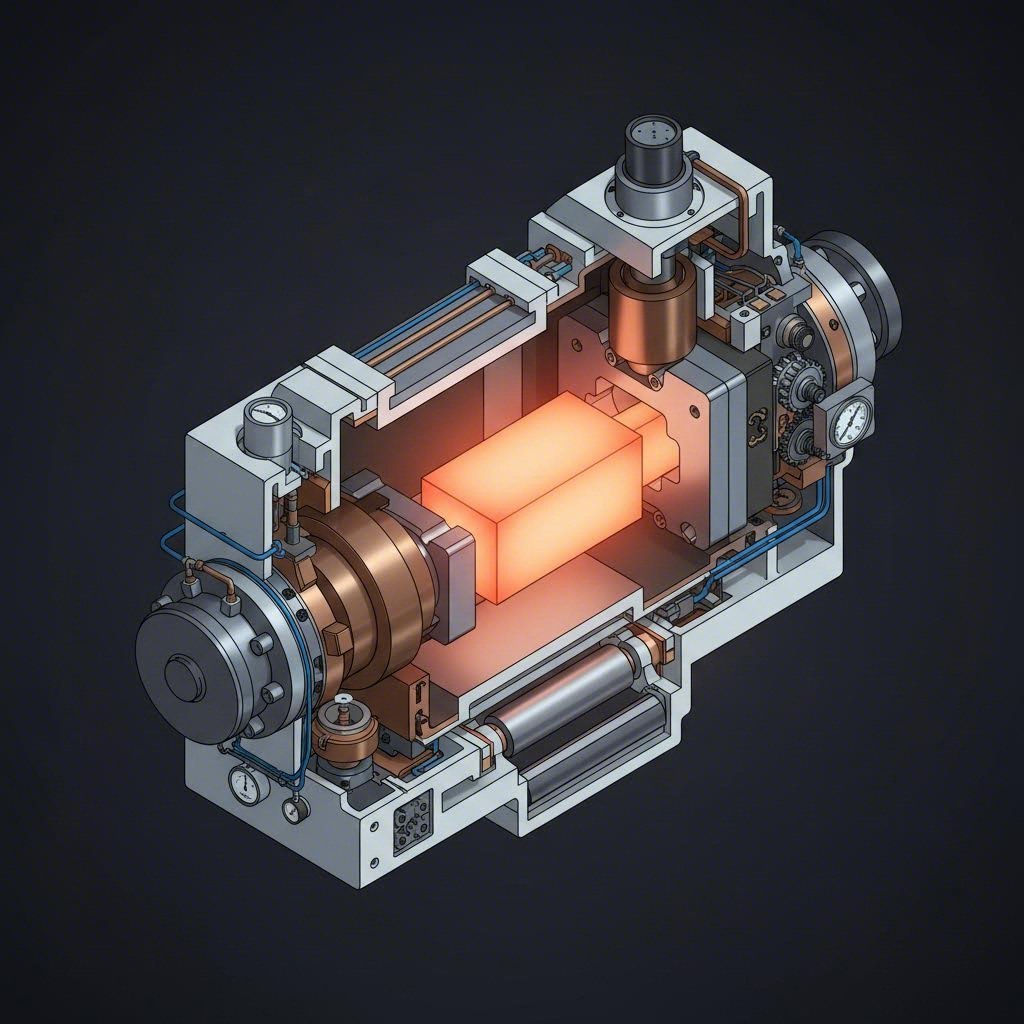
The extrusion press itself deserves special attention since it's the heart of any aluminum extrusion factory. Two primary methods exist: direct and indirect extrusion.
In direct extrusion—the most common approach—the die remains stationary while a moving ram forces heated aluminum through it. Both the ram and billet move forward together, pushing material through the die openings. This method handles the widest range of metal extrusions but generates significant friction between the billet and container walls.
In indirect extrusion, the billet and container move together while the die assembly stays fixed. A specialized stem keeps everything aligned. Because there's less friction, indirect extrusion offers better heat control and more consistent product quality. The mechanical properties and grain structure tend to be more uniform throughout the profile.
Each stage directly impacts your final product. Die temperature affects surface finish. Billet temperature influences dimensional tolerances. Quenching rates determine mechanical properties. Stretching ensures straightness specifications are met. When evaluating potential suppliers, ask about their controls at each stage—their answers reveal how seriously they approach quality.
Now that you understand the extrusion process, here's the next question: what separates a capable aluminum extrusion factory from an average one? The answer lies in the equipment and infrastructure behind those factory walls. The machinery a facility operates directly determines what profiles it can produce, what tolerances it can hold, and what aluminum extrusion systems it can support for your applications.
When evaluating any extrusion facility, press tonnage is your first indicator of capability. The press tonnage rating tells you how much force the hydraulic system can apply to push aluminum through the die. Higher tonnage means larger profile cross-sections and thicker walls become possible.
But here's what many buyers miss: tonnage alone doesn't tell the complete story. A 3000-ton press designed for precision aluminum extrusion of small components operates differently than a 3000-ton press built for large structural sections. Container diameter, ram speed controls, and temperature management systems all affect what's achievable.
Here's how press categories typically break down:
| Press Category | Tonnage Range | Typical Profile Size | Common Applications |
|---|---|---|---|
| Small Press | Under 1000T | Up to 4" circumscribing circle | Electronic heat sinks, small precision components, LED housings, decorative trim |
| Medium Press | 1000T - 3000T | 4" to 10" circumscribing circle | Window and door frames, standard architectural profiles, industrial framing, extruded aluminum systems |
| Large Press | 3000T+ | 10"+ circumscribing circle | Large aluminum extrusions for transportation, structural beams, solar panel frames, heavy industrial applications |
Why does this matter for your project? If you need a complex hollow profile with an 8-inch width, a factory running only small presses simply cannot produce it—regardless of their quoted capabilities. Conversely, running small precision parts on oversized presses wastes energy and often compromises tolerance control.
Look for facilities with multiple press sizes. This flexibility indicates the factory can match your profile requirements to optimal equipment, whether you need delicate electronic components or robust structural sections.
Raw extrusions rarely go directly to end users. Most applications require secondary processing—and this is where aluminum extrusion fabrication capabilities become critical. The best facilities integrate these operations under one roof:
Quality control instrumentation deserves equal attention. Capable factories invest in coordinate measuring machines (CMMs), optical comparators, spectrometers for alloy verification, and tensile testing equipment. These tools verify that your profiles meet specifications—not just on paper, but through documented, traceable measurements.
When sourcing custom metal extrusion services, ask potential suppliers about their secondary processing capabilities. A factory that extrudes, machines, finishes, and inspects under one roof offers significant advantages: faster turnaround, clearer accountability, and reduced handling damage compared to shipping profiles between multiple vendors.
The equipment infrastructure you've now learned about sets the foundation—but how do you verify that a factory actually maintains quality standards? That's where certifications and compliance requirements come into play.

You've toured the equipment and understand the process—but how do you know a factory actually delivers consistent quality? Certificates hanging on the wall tell a story that sales pitches cannot. In the aluminum extrusion industry, quality certifications serve as third-party verification that a facility maintains rigorous standards day after day, batch after batch.
Not all certifications carry equal weight, and not every project requires every certification. The key is matching facility credentials to your specific application requirements. Here are the certifications that matter most:
Beyond general certifications, specific industries impose additional compliance requirements. American aluminum manufacturers serving defense contracts must comply with ITAR regulations. Medical device applications may require ISO 13485 certification. Construction applications often reference ASTM International standards for material properties and testing methods.
What should you verify during supplier evaluation? Ask for current certification copies—not just claims. Confirm certification scope covers the processes relevant to your project. Check expiration dates and audit schedules. Reputable factories welcome these questions because they've invested significantly in maintaining their credentials.
Tolerance standards and testing protocols ensure your profiles meet dimensional requirements. Look for documented inspection procedures including:
The extrusion industry operates within well-defined tolerance standards. Standard tolerances follow Aluminum Association guidelines, while tighter precision tolerances require specialized equipment and process controls. Understanding which tolerance class your application requires—and verifying the factory can consistently achieve it—prevents costly quality issues downstream.
Certifications and testing protocols verify process capability, but your final product quality also depends heavily on material selection. Understanding aluminum alloys and tempers is your next step toward making informed decisions.
Here's a question that trips up many first-time buyers: why does one aluminum profile corrode quickly outdoors while another lasts decades? The answer comes down to alloy selection. Choosing the right aluminum alloy for your extruded aluminum products isn't just a technical decision—it fundamentally determines performance, appearance, and longevity.
Not all aluminum is created equal. Pure aluminum is soft and lacks structural strength, so manufacturers add alloying elements—magnesium, silicon, copper, zinc—to create alloys with specific properties. Each alloy series offers distinct advantages for different applications.
When you're sourcing aluminum extruded products, understanding these differences helps you communicate requirements clearly and evaluate whether a factory's material recommendations make sense for your project.
| Alloy Series | Primary Alloying Element | Key Properties | Typical Applications |
|---|---|---|---|
| 1xxx | Pure Aluminum (99%+) | Excellent corrosion resistance, high thermal/electrical conductivity, very soft | Electrical conductors, chemical equipment, decorative trim |
| 3xxx | Manganese | Good workability, moderate strength, excellent corrosion resistance | Heat exchangers, cooking utensils, general sheet applications |
| 5xxx | Magnesium | High strength, excellent corrosion resistance (especially marine), good weldability | Marine applications, pressure vessels, transportation |
| 6xxx | Magnesium + Silicon | Good extrudability, medium-high strength, excellent finishing characteristics | Architectural profiles, structural components, automotive parts |
| 7xxx | Zinc | Highest strength, lower corrosion resistance, reduced extrudability | Aerospace structures, high-performance sporting goods, military applications |
For most extrusions aluminum applications, the 6xxx series dominates—and for good reason. The 6063 alloy, often called the "architectural alloy," offers exceptional extrudability. It flows smoothly through complex dies, producing intricate profiles with excellent surface finishes. Think window frames, door systems, and decorative trim where appearance matters as much as function.
Need more muscle? The 6061 alloy steps up with higher strength while maintaining good corrosion resistance and weldability. It's the go-to choice for structural components, automotive parts, and load-bearing extruded aluminum parts where mechanical performance takes priority.
For aerospace and high-performance applications demanding maximum strength-to-weight ratio, 7075 alloy delivers. However, its lower extrudability means simpler profiles and higher costs. This alluminum extrusion grade requires specialized processing expertise—not every factory handles it well.
Ever noticed codes like "T5" or "T6" following alloy numbers? These temper designations tell you how the aluminum was processed after extrusion—and they significantly affect mechanical properties.
Here's what the common temper designations mean for your small aluminum extrusions and larger profiles:
Why does this matter? Imagine specifying 6061-T6 for structural components, but receiving 6061-T4 instead. The T4 temper has roughly 60% of the yield strength—a critical difference for load-bearing applications. Always verify both alloy and temper on material certifications.
Different alloys also respond differently to surface treatments. The 6063 alloy anodizes beautifully, producing consistent decorative finishes. The 6061 alloy anodizes well but may show slight color variations. High-zinc 7xxx alloys can be challenging to anodize uniformly. When aesthetics matter, discuss finishing compatibility with your factory before finalizing alloy selection.
The interplay between alloy, temper, and intended application requires careful consideration. A knowledgeable factory doesn't just accept your alloy specification—they confirm it makes sense for your application and suggest alternatives when better options exist. This technical guidance is one way to distinguish capable suppliers from order-takers.
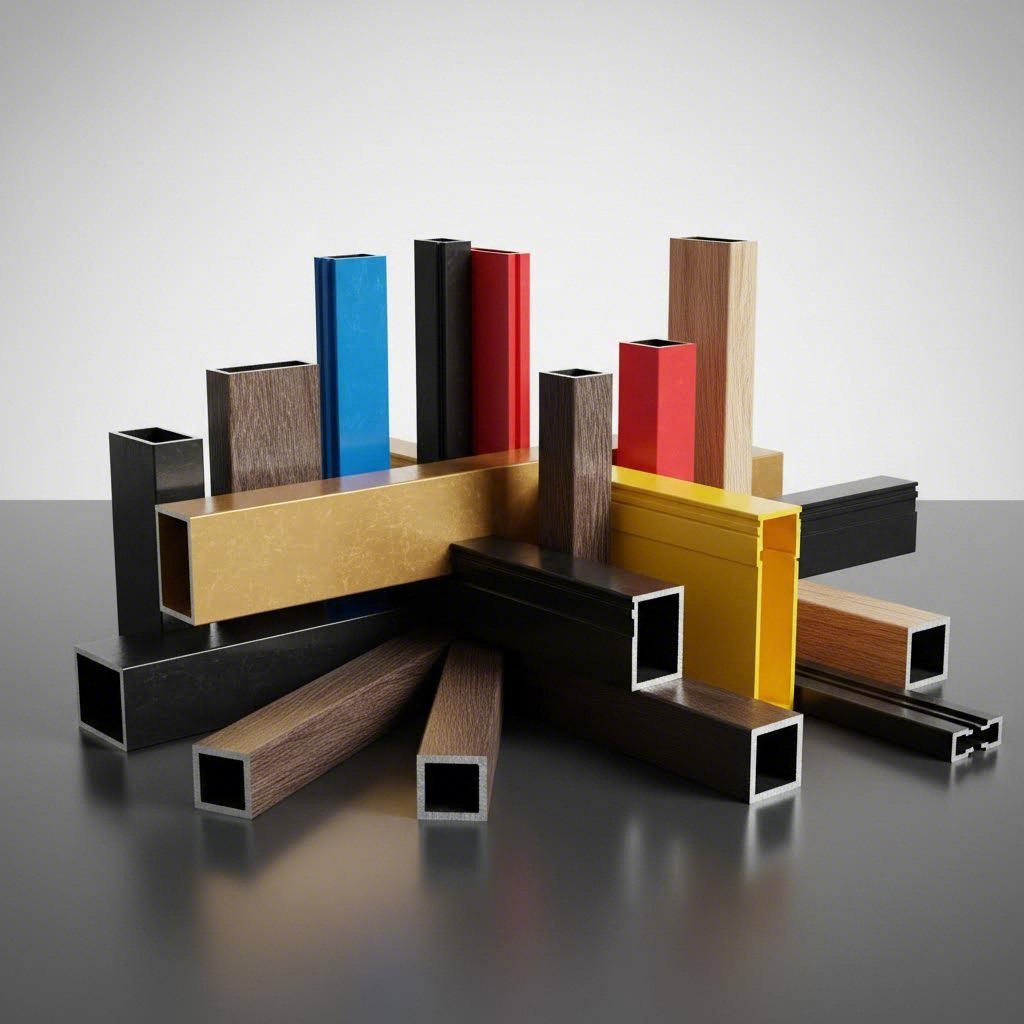
You've selected the perfect alloy and temper for your project—but here's something worth considering: raw extruded aluminum rarely leaves the factory without additional treatment. The surface finishing stage transforms basic metal extrusion products into durable, attractive components ready for real-world applications. Understanding what finishing options exist helps you evaluate whether a factory can deliver the complete aluminum extrusion services your project demands.
Modern aluminum extrusion facilities offer an impressive range of surface treatments. Each option delivers specific benefits for corrosion resistance, aesthetics, and application suitability. When you're sourcing aluminium extrusion products, matching the right finish to your environment and design requirements prevents costly mistakes.
How do you choose between these options? Consider three factors: environment, appearance requirements, and maintenance expectations.
For exterior applications—aluminum cladding, curtain walls, outdoor furniture—prioritize weather resistance and UV stability. Anodizing (Class I) and powder coating meeting AAMA 2604 or 2605 specifications deliver proven long-term performance. PVDF coatings justify their premium cost when decades of color retention matter.
For interior applications, aesthetic flexibility takes priority since harsh weather isn't a concern. Decorative mechanical finishes, thinner anodizing (Class II), and wood grain options open creative possibilities without over-engineering corrosion protection.
Sounds complex? Here's a practical approach: match treatment durability to expected service life. A retail display lasting five years doesn't need the same finish as a building facade exposed to coastal salt air for thirty years.
When evaluating aluminum extrusion products from potential suppliers, verify their finishing capabilities carefully. Facilities offering multiple treatment options under one roof simplify your supply chain and ensure accountability. Ask about their quality certifications for finishing processes—AAMA accreditation, for instance, validates that coatings meet industry performance standards through independent testing.
Surface treatment capabilities reveal much about a factory's commitment to complete service. Now that you understand what finishes are possible, how do you pull everything together into a systematic supplier evaluation?
You've learned about equipment, certifications, alloys, and finishes—but here's the real challenge: how do you pull all this knowledge together into a practical supplier decision? Evaluating aluminum extrusion suppliers requires a systematic approach that goes beyond price comparisons. The framework below helps you assess potential partners from a buyer's perspective, identifying extruded aluminum manufacturers who can truly deliver on their promises.
When searching for "aluminum extrusion suppliers near me" or exploring international options, use these criteria to separate capable partners from risky vendors. Each factor directly impacts your project outcomes:
Experienced buyers learn to recognize warning signs early. When evaluating extrusion companies, watch for these indicators:
When you partner with aluminum extrusion suppliers, you're not just buying parts—you're establishing a manufacturing relationship that affects product quality and project timelines for years.
Imagine one facility handling everything: billet casting, die design, extrusion, heat treatment, CNC machining, surface finishing, and final inspection. This vertically integrated manufacturing approach offers compelling advantages for buyers seeking top aluminum suppliers for custom products.
What does vertical integration deliver?
Not every project requires full vertical integration, but for complex aluminum extrusion custom projects involving tight tolerances, specialized finishes, or demanding schedules, facilities offering casting-through-finishing capabilities significantly reduce risk.
Should you source locally or explore international custom aluminum extrusion companies? The answer depends on your specific project requirements:
| Factor | Domestic Sourcing | International Sourcing |
|---|---|---|
| Lead Times | Shorter shipping, faster iteration cycles | Longer transit, but production costs may offset delays |
| Communication | Same time zone, cultural alignment | May require overnight email cycles, language considerations |
| Quality Verification | Easier facility audits and ongoing oversight | Requires third-party inspection or travel for audits |
| Minimum Orders | Often more flexible for smaller quantities | Typically higher minimums to justify logistics |
| Total Cost | Higher labor costs, lower logistics expense | Lower labor costs, higher shipping and tariff considerations |
| IP Protection | Stronger legal framework for proprietary designs | Requires careful contract structure and supplier vetting |
For prototyping, small batches, or projects requiring frequent design iterations, domestic suppliers often make sense despite higher unit costs. For stable, high-volume production with established specifications, international sourcing can deliver significant savings—provided you've thoroughly vetted the supplier and established clear quality expectations.
The evaluation framework above gives you structure for comparing options. But even the best supplier assessment means little if you don't understand the practical realities of ordering—lead times, costs, and how pricing actually works.
You've identified capable suppliers and understand what to look for—but here's where many projects hit unexpected roadblocks: timing and budget. Understanding how custom aluminum extrusions actually get priced and scheduled prevents frustrating surprises and helps you plan projects realistically. Let's break down the practical buying considerations that experienced procurement professionals understand.
When will your custom extrusion arrive? The answer depends on three distinct phases, each with its own timeline drivers.
Tooling Lead Time: Before any aluminum flows, your die must be designed and manufactured. For standard complexity profiles, expect 2-4 weeks for die production. Intricate geometries with tight tolerances or hollow sections requiring porthole dies may extend this to 5-6 weeks. According to industry sources, the overall size, geometry, and shape complexity directly impact how long die manufacturing takes.
Extrusion Lead Time: Once your die is ready, production scheduling determines when your order runs. First-article samples must be produced and approved before full production begins. The die gets tested to verify the extrusion matches your specifications and meets industry tolerances. After sample approval, production typically follows within a week. However, where your order falls in the factory's production schedule matters—peak seasons may add waiting time.
Fabrication Lead Time: Many custom aluminium extrusion orders require post-extrusion processing. CNC machining, surface finishing, cutting to length, drilling, and assembly operations add days or weeks depending on complexity. Simple operations like cutting and deburring add minimal time, while comprehensive finishing sequences—anodizing by assembly, for example—can extend timelines significantly.
For realistic planning, here's what typical projects look like:
What drives the price of custom extruded aluminum? Understanding these factors helps you make informed trade-offs and avoid sticker shock when quotes arrive.
What actually happens when you place a custom extrusion order? Understanding the typical sequence helps you prepare appropriate documentation and anticipate decision points:
Minimum order quantities (MOQ) often surprise first-time buyers. These aren't arbitrary—they reflect real economics. Die preparation, press setup, and quality verification create overhead costs regardless of order size. Larger presses handling bigger profiles typically require higher MOQs. When small quantities are essential, discuss options with your supplier—some accommodate lower volumes at adjusted pricing.
With realistic timeline and budget expectations established, you're ready to move from evaluation to action—finding a factory partner who matches your specific requirements.
You've journeyed through the complete landscape of aluminum extrusion manufacturing—from billet preparation to surface finishing, from equipment specifications to quality certifications. Now comes the decisive moment: translating this knowledge into action. Finding the right custom aluminum extrusion partner isn't about checking boxes; it's about identifying a manufacturer whose capabilities align precisely with your project requirements and long-term goals.
Ready to move forward? Before reaching out to potential custom aluminum extrusion suppliers, consolidate your project requirements into a clear brief. This preparation streamlines the quotation process and helps factories provide accurate, comparable proposals.
Your project brief should address these essentials:
With this information prepared, you're positioned to engage custom aluminum extruders as a knowledgeable buyer—not just a price shopper. Suppliers recognize prepared customers and often respond with more detailed technical guidance and competitive pricing.
How do you identify manufacturers capable of delivering on your specific needs? Start by matching your profile complexity and volume requirements to factory capabilities.
For projects requiring comprehensive aluminum extrusion supply—from initial die development through finished components—look for vertically integrated facilities. These operations house multiple press sizes, in-house die manufacturing, CNC machining centers, and diverse finishing lines under one roof. The result? Streamlined communication, faster turnaround, and single-source accountability.
Consider what a well-equipped custom extrusion aluminum facility looks like in practice. Shengxin Aluminium's deep processing services exemplify this integrated approach. With over 30 years of manufacturing experience, their operation runs 35 extrusion presses ranging from 600T to 5500T—covering everything from precision small components to large structural sections. Their CNC machining centers handle precise cutting, drilling, and bending, while surface treatment options span anodizing (including decorative colors), powder coating, PVDF, and micro-arc oxidation for demanding applications.
Why does this range matter for your project? Because top aluminum supply partners don't force you to compromise. Whether you need custom 6063 aluminum tubes for architectural applications or complex industrial profiles requiring tight tolerances, comprehensive facilities adapt to your specifications rather than limiting your options.
When evaluating any aluminum extrusion custom project partner, probe these areas during your initial discussions:
The answers reveal whether you're dealing with order processors or true manufacturing partners invested in your project's success.
Synthesize your evaluation into a weighted decision matrix. Assign importance scores to each criterion based on your project's specific priorities:
| Evaluation Criterion | Weight (1-5) | Key Questions to Verify |
|---|---|---|
| Technical Capability | 5 | Press range, die expertise, tolerance achievement history |
| Quality Systems | 5 | Current certifications, inspection protocols, rejection rates |
| Communication Quality | 4 | Response time, technical knowledge, dedicated contacts |
| Lead Time Performance | 4 | Quoted vs. actual delivery, schedule flexibility |
| Secondary Processing | 3 | In-house capabilities, finishing options, machining precision |
| Pricing Competitiveness | 3 | Total cost including tooling, finishing, and logistics |
| Flexibility | 2 | MOQ accommodation, design iteration willingness |
Score each potential supplier against these criteria, then calculate weighted totals. This structured approach prevents decisions based solely on price—which often leads to quality issues, delays, and higher total costs downstream.
The best aluminum extrusion factory partner combines technical capability with responsive communication. Equipment and certifications establish what's possible; communication quality determines whether that potential translates into successful project outcomes.
Remember: you're not just purchasing aluminum profiles. You're establishing a manufacturing relationship that influences product quality, project timelines, and your organization's reputation with end customers. The knowledge you've gained throughout this guide—understanding press capabilities, quality certifications, alloy properties, finishing options, and cost drivers—positions you to make that decision with confidence.
Take the next step by requesting quotes from two or three qualified facilities. Compare not just pricing, but the quality of their technical responses, their willingness to collaborate on design optimization, and their clarity about timelines and processes. The right partner will demonstrate expertise, transparency, and genuine interest in your project's success from the very first conversation.
The aluminum extrusion process involves seven key stages: die preparation and preheating, billet heating to 400-500°C, loading with lubrication, hydraulic pressing through shaped dies, rapid cooling or quenching, stretching for straightness, and precision cutting by aging. This transforms solid aluminum billets into continuous profiles matching virtually any cross-sectional shape, from simple bars to complex hollow geometries.
Evaluate potential suppliers based on production capacity matching your profile size, quality certifications (ISO 9001 minimum, plus IATF 16949 or AS9100 for automotive/aerospace), technical support capabilities, lead time performance, and communication responsiveness. Prioritize vertically integrated facilities offering die design through finishing under one roof, as this ensures faster turnaround and clearer accountability for your projects.
The 6xxx series dominates extrusion applications. Alloy 6063 offers exceptional extrudability and surface finish quality, ideal for architectural profiles like window frames. Alloy 6061 provides higher strength for structural components and automotive parts. For aerospace applications requiring maximum strength-to-weight ratio, 7075 alloy delivers—though with reduced extrudability and higher costs.
Custom extrusion costs depend on die tooling ($400-$2,000+ based on complexity), raw aluminum pricing (fluctuates with global markets), alloy selection, profile complexity, surface finishing ($800-$1,400 per metric ton), and order volume. Die costs spread across larger orders dramatically reduce per-unit pricing, making wholesale quantities more economical.
Reputable factories should hold ISO 9001 certification at minimum for quality management. Automotive applications require IATF 16949, while aerospace work demands AS9100 and often NADCAP accreditation for special processes. Environmental responsibility is demonstrated through ISO 14001. Always request current certification copies and verify the scope covers processes relevant to your specific project.



 serviço on-line
 0086 136 3563 2360
 sales@sxalu.com
 +86 136 3563 2360
 português
 English
 français
 Deutsch
 русский
 español
 العربية
 ไทย
ไทย Việt
Việt Українська