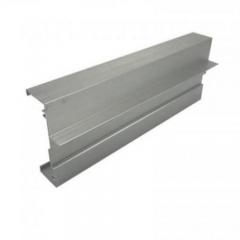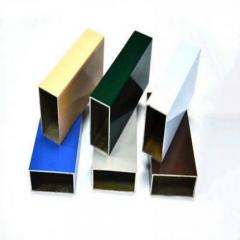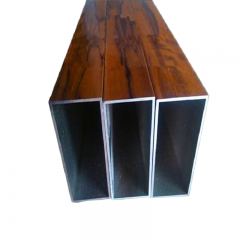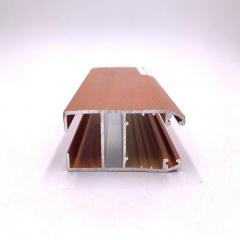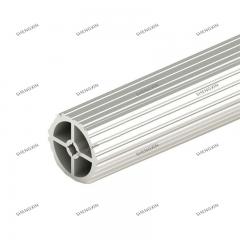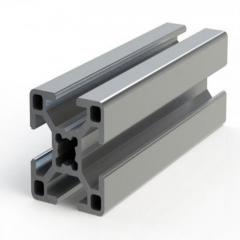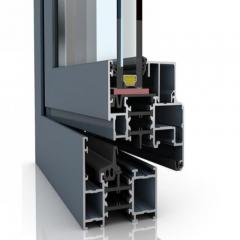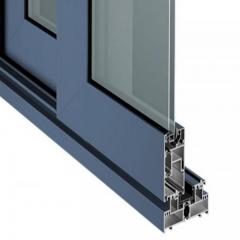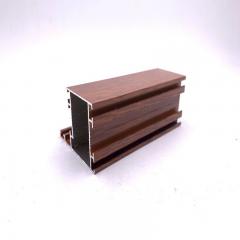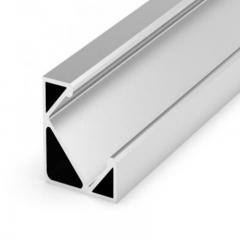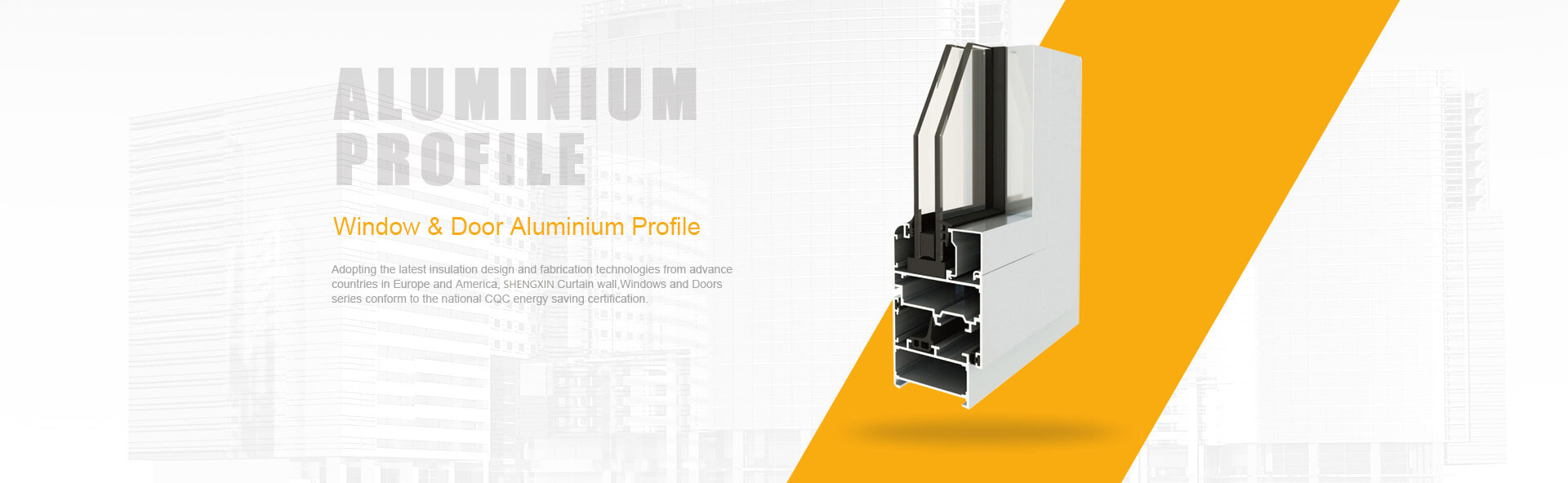
Ever wondered how manufacturers create those perfectly shaped aluminum components you see in window frames, machine parts, or vehicle structures? The answer lies in a fascinating process called aluminum extrusion. When you need a profile that standard off-the-shelf options simply cannot provide, custom aluminum extrusions become your solution.
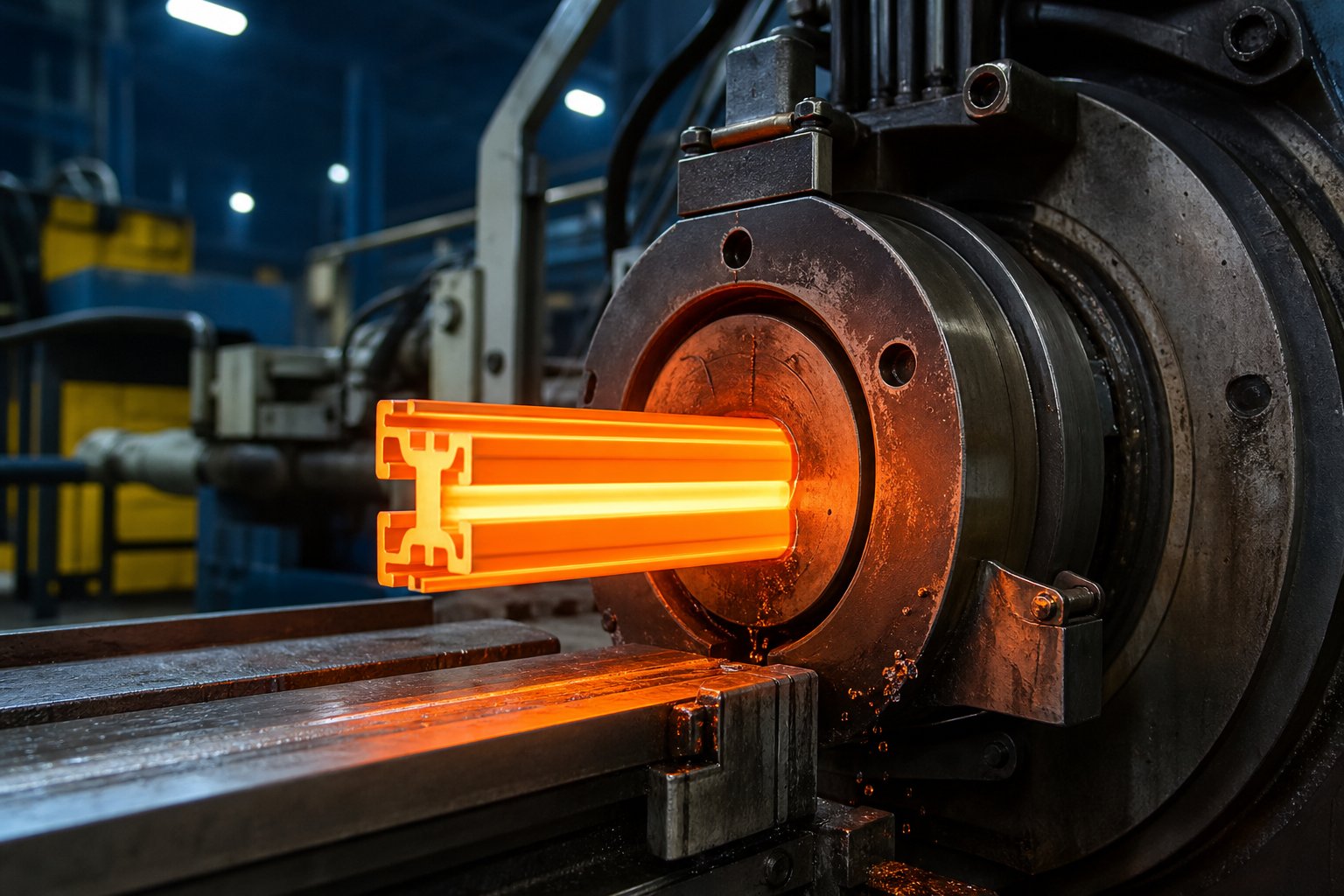
Custom aluminum extrusions are precisely engineered aluminum profiles created by heating cylindrical aluminum billets to 400-500°C and forcing them through custom-designed dies under immense hydraulic pressure—up to 15,000 tons—to produce specific cross-sectional shapes tailored to exact project requirements.
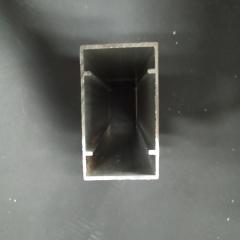
Think of it like a sophisticated pasta maker, but instead of dough, you're working with malleable metal, and instead of spaghetti shapes, you're creating complex engineering components. The aluminium extrusion process transforms raw material into profiles that can be solid, hollow, or semi-hollow—ranging from simple geometric forms to intricate designs with multiple chambers and detailed features.
Understanding how custom extrusions come to life helps you appreciate their precision and value. The journey begins with a cylindrical aluminum billet—essentially a solid log of aluminum alloy. Manufacturers preheat this billet in an oven, making it malleable without melting it completely.
Once heated, the billet transfers into an extrusion press where hydraulic force pushes it against a steel die. As pressure builds, the aluminum flows through the die's opening, emerging on the other side with the exact cross-sectional shape of that die. According to Wayken, this process requires preheating the die itself to 450-500°C to ensure even metal flow and maximize die longevity.
After exiting the press, the newly formed aluminum profile undergoes quenching—a controlled cooling process using water baths or fans. This step is critical for achieving the desired material properties. The profiles then move to stretching tables where any twists or distortions are corrected before final cutting and aging to reach proper temper specifications.
So why would businesses invest in custom aluminum extrusion profiles when stock options exist? The distinction matters more than you might expect.
Standard aluminum profiles come in pre-designed shapes—angles, tubes, channels, and common architectural sections. They're readily available, cost-effective for general applications, and require no tooling investment. However, they force you to adapt your design around what's available rather than what's optimal.
Custom extrusions flip this equation. When standard sections don't meet your project requirements—whether you need specific dimensions, enhanced load-bearing capacity, or integration with other components—bespoke solutions deliver precisely what your application demands. Industries like medical equipment manufacturing, aerospace, and automotive often rely on these tailored aluminum profiles because they can flextrude aluminum shapes into configurations impossible to achieve with stock options.
The trade-off involves initial tooling costs and longer lead times since custom dies must be designed and manufactured. However, the long-term benefits of optimized material usage, reduced assembly complexity, and improved product performance often justify this investment for projects requiring precision engineering or unique functionality.
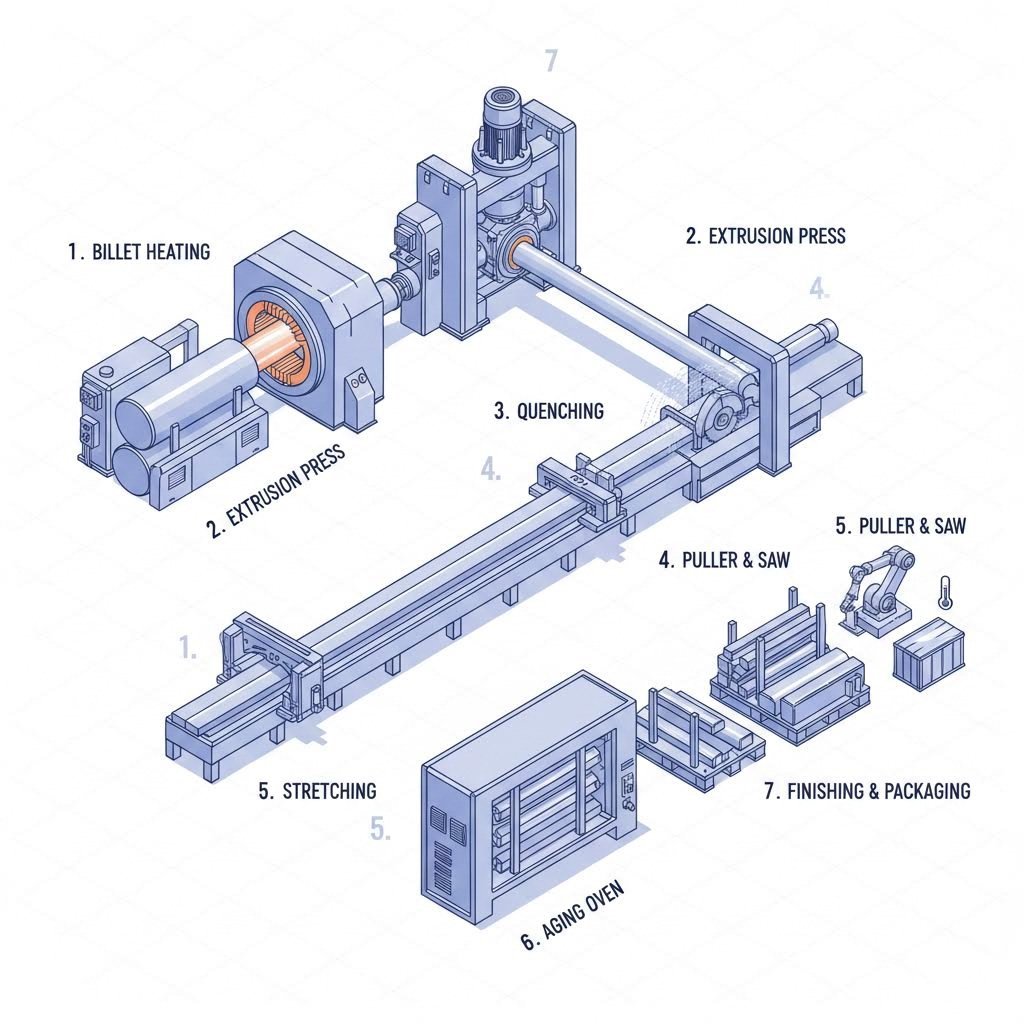
Now that you understand what custom aluminum extrusion is and why it matters, you're probably wondering: how do you actually get from an idea in your head to a finished profile in your hands? Unlike ordering stock profiles where you simply pick from a catalog, custom aluminum extrusion involves a collaborative journey between you and your manufacturing partner.
The complete manufacturing process unfolds through several interconnected stages. Each phase builds upon the previous one, and your involvement as a customer shapes the outcome at critical decision points. Here's the sequential workflow from concept to completion:
The journey begins long before any aluminum gets heated. During the initial design consultation, you'll work with engineering teams to translate your requirements into manufacturable specifications. What information should you prepare? Experienced manufacturers recommend having answers to these questions ready:
Once requirements are clear, the profile design phase uses specialized software like AutoCAD or SolidWorks to create detailed digital models. According to Star Extruded Shapes, these digital models enable faster and more precise quoting, streamlined prototyping, and reduced time to market. Engineers optimize the design for manufacturability—ensuring wall thicknesses, corner radii, and overall geometry will extrude successfully.
With the design finalized, aluminium extrusion dies enter production. These precision steel tools contain openings that mirror your desired cross-section. Die creation demands exceptional accuracy because every profile that emerges will replicate the die's exact shape. The complexity of your profile directly impacts die cost and production time—intricate multi-hollow designs require more sophisticated tooling than simple solid shapes.
Here's where aluminum profile extrusion truly comes alive. The heated billet—typically warmed to temperatures that make it malleable but not molten—loads into the extrusion press. A hydraulic ram applies immense pressure, forcing the aluminum through your custom die opening.
As the metal flows through, it takes on the precise cross-sectional shape of the die, emerging as a continuous profile. The extrusion press tonnage matters here: larger, more complex profiles require higher-capacity presses to achieve proper metal flow and dimensional accuracy. Profile precision extrusions demand careful control of temperature, pressure, and extrusion speed throughout this stage.
Immediately after exiting the press, profiles enter the quenching phase. Depending on the alloy and application requirements, cooling may occur through air, mist spray, or full water immersion. This rapid cooling locks in the material's structural properties. The profiles then travel to stretching tables where mechanical grippers pull them straight, correcting any distortions from the extrusion or cooling process.
After straightening, saw stations cut the continuous extrusion into specified lengths. But for many projects, the journey continues into secondary processing. CNC machining adds holes, slots, or complex features. Surface treatments like anodizing or powder coating enhance appearance and durability. Some manufacturers offer complete assembly services, delivering ready-to-install components rather than raw profiles.
Quality control runs throughout every stage, with final inspection verifying dimensional accuracy, surface finish quality, and overall condition before packaging. This comprehensive approach—from your initial concept through finished, inspected custom aluminum extrusion—transforms ideas into precision components ready for your application.
You've designed your profile and understand the manufacturing process—but which aluminum alloy should flow through that custom die? This decision shapes everything from structural performance to final appearance, and getting it right means matching material properties to your specific application demands.
Aluminum profiles aren't created equal. The alloy you select determines tensile strength, corrosion resistance, surface finish quality, and even how well the metal accepts decorative treatments. For custom aluminum extrusions, two alloys dominate the conversation: 6063 and 6061. Both belong to the 6xxx series with silicon and magnesium as primary alloying elements, yet they serve distinctly different purposes.
When visual appeal matters as much as function, 6063 aluminum becomes your go-to choice. This alloy earned its nickname as "architectural aluminum" for good reason—it extrudes beautifully into complex shapes while delivering a smooth, attractive surface that accepts anodizing exceptionally well.
What makes 6063 special for extruded aluminum profiles? According to Eagle Aluminum, this alloy is the preferred material for custom extrusion solutions, enabling the creation of intricate shapes with smooth surfaces ideal for visible elements like premium casework, architectural trim, and decorative components.
You'll find 6063 aluminium extrusion profiles throughout the built environment:
The trade-off? Lower mechanical strength compared to structural alternatives. In the T6 temper, 6063 delivers an ultimate tensile strength of at least 28,000 psi and yield strength of 23,000 psi. These values work perfectly for architectural applications but may fall short for heavy load-bearing requirements.
Need your aluminum extruded profiles to carry serious loads? Then 6061 steps into the spotlight. This precipitation-hardened alloy undergoes heat treatment that spreads strengthening particles throughout its grain structure, preventing displacement and boosting durability significantly.
The strength difference is substantial. As noted by Kloeckner Metals, 6061 T6 achieves an ultimate tensile strength of at least 42,000 psi and yield strength of at least 35,000 psi—roughly 50% stronger than 6063 in comparable tempers.
This enhanced strength makes 6061 the workhorse for demanding applications:
While 6061 offers excellent corrosion resistance and good weldability, its aluminium extruded profile surfaces don't finish quite as smoothly as 6063. If your project prioritizes structural integrity over cosmetic perfection, this alloy delivers.
Choosing between these alloys—or exploring other options—requires weighing multiple factors against your project priorities. The following comparison breaks down the key differences:
| Property | 6063 Aluminum | 6061 Aluminum | 6082 Aluminum |
|---|---|---|---|
| Primary Applications | Architectural, decorative, visible profiles | Structural, load-bearing, mechanical | Heavy structural, bridges, transport |
| Tensile Strength (T6) | ≥28,000 psi | ≥42,000 psi | ≥45,000 psi |
| Yield Strength (T6) | ≥23,000 psi | ≥35,000 psi | ≥38,000 psi |
| Surface Finish Quality | Excellent—smooth, ideal for anodizing | Good—functional but less refined | Good—prioritizes strength over finish |
| Corrosion Resistance | Excellent (no copper content) | Very good | Very good |
| Formability/Extrudability | Excellent—complex shapes possible | Good—versatile fabrication | Good—standard extrusion capability |
| Weldability | Excellent | Excellent | Very good |
| Machinability | Good | Very good | Very good |
Beyond these primary options, other alloys serve specialized needs. The 7xxx series offers even higher strength for aerospace applications, while 5xxx alloys provide superior marine corrosion resistance. However, for most aluminum extrusion profile applications, the 6xxx series strikes the optimal balance between performance, workability, and cost.
How do you decide? Consider these guiding questions: Does your application require maximum strength, or is visual quality paramount? Will the profile be visible in the final product, or hidden within an assembly? Does it need to accept anodizing or decorative coatings? Your answers point toward the right alloy—typically 6063 when aesthetics lead and 6061 when structural demands dominate.
With your alloy selected, the next critical decision awaits: how will you finish those aluminum extruded profiles to maximize durability and appearance for your specific application environment?
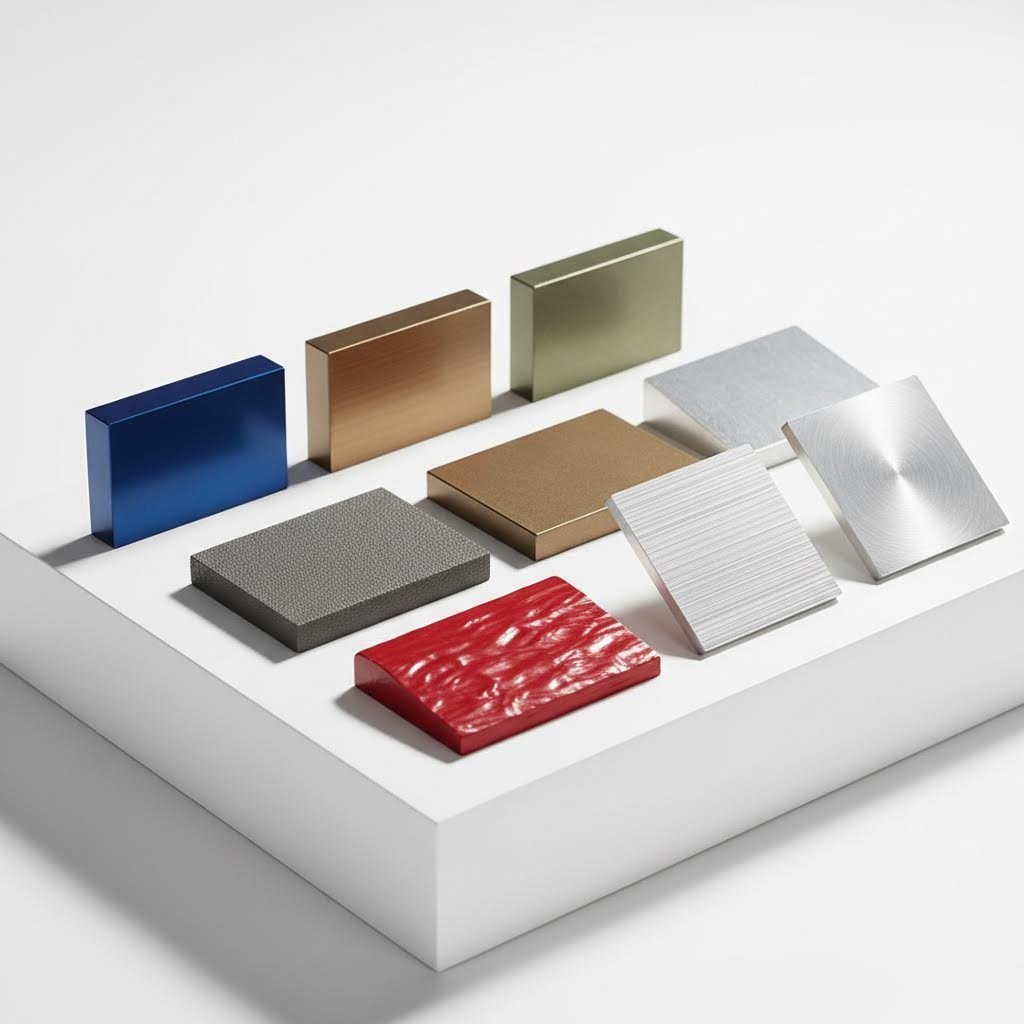
You've selected your alloy and designed your profile—but how will that aluminum extrusion trim look and perform years from now? The surface finish you choose isn't just cosmetic window dressing. It's your first line of defense against corrosion, UV damage, and everyday wear. Whether you're creating bespoke aluminium profiles for a coastal high-rise or unique extrusions for industrial machinery, matching the right finish to your application environment determines long-term success.
Imagine installing beautiful curved aluminum extrusion components on a beachfront building, only to watch them deteriorate within months because the finish couldn't handle salt spray. That's why understanding your finishing options matters as much as alloy selection. Let's explore the major treatments available and when each makes sense.
Anodizing remains the gold standard for aluminum extrusion trim requiring both durability and visual appeal. This electrochemical process doesn't simply coat the surface—it transforms it. According to Aplank, anodizing thickens aluminum's natural oxide layer, boosting corrosion resistance while creating a consistent surface that integrates permanently with the base metal.
What makes anodizing particularly valuable for extruded aluminum trim? The finish cannot chip or peel like conventional paint because it becomes part of the aluminum itself. You'll find anodized profiles throughout architectural applications—window frames, curtain walls, and decorative elements where longevity meets aesthetics.
Color options extend well beyond natural aluminum tones:
The effectiveness of anodizing depends heavily on coating thickness and sealing quality. ASTM International standards specify two primary classes:
Proper sealing after anodizing locks in dyes and prevents contaminants from compromising the finish. Without adequate sealing, you risk fading, chalking, or pitting over time—issues that affect both appearance and structural integrity.
When your aluminium extrusion trim needs vibrant colors or must withstand extreme conditions, coating technologies offer compelling alternatives to anodizing.
Powder coating applies electrostatically charged dry powder to grounded aluminum, then bakes it into a tough, uniform finish. As highlighted by Elemet Group, this method works across varied substrates and covers existing surface imperfections like grind marks—making final appearance more uniform than anodizing in some cases.
Key advantages of powder coating include:
For bespoke aluminium extrusion applications demanding maximum weather resistance, PVDF coating (polyvinylidene fluoride) steps up as the premium choice. According to Pailian Aluminium, PVDF provides exceptional resistance to UV radiation, salt water, and atmospheric pollution—ideal for coastal installations and high-rise facades.
Consider this warranty comparison:
The durability difference reflects PVDF's superior chemical stability under prolonged sun exposure and harsh environmental conditions.
How do you choose among these options? Your application environment provides the answer:
| Application Environment | Recommended Finish | Key Consideration |
|---|---|---|
| Interior decorative elements | Class II anodizing or powder coating | Focus on aesthetics and touch-feel |
| Standard exterior architectural | Class I anodizing or powder coating | Balance durability with cost |
| Coastal or marine environments | PVDF coating | Maximum salt spray resistance |
| High-rise curtain walls | PVDF coating | Long-term color retention critical |
| Industrial machinery | Powder coating with specialized formulas | Chemical and abrasion resistance |
Beyond these primary options, specialized treatments like micro-arc oxidation create ceramic-like surfaces for extreme wear resistance, while wood-grain sublimation films deliver natural aesthetics without wood's maintenance demands. The right finish transforms your custom aluminum extrusions from raw metal into components engineered for decades of reliable performance in their intended environment.
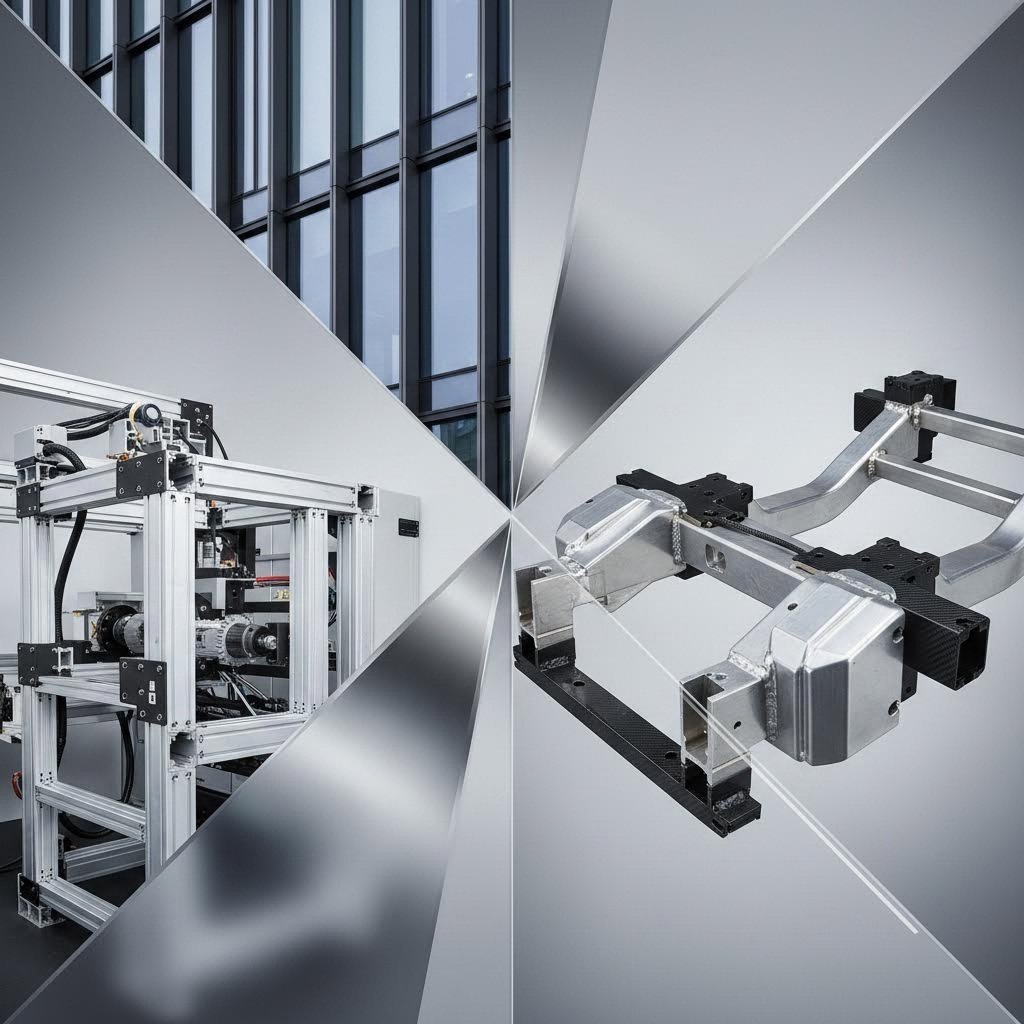
Now that you understand alloys and finishes, where exactly do these aluminum extrusions end up working? The answer might surprise you. From the window frames in your office building to the heat sink cooling your laptop, custom aluminum products touch nearly every aspect of modern life—often invisibly.
According to Gabrian, the global aluminum extrusion market reached a projected value exceeding USD 90 billion in 2022, with strong growth projections over the next decade. This massive market exists because aluminum extrusion shapes solve specific engineering challenges across vastly different industries—each with unique requirements for tolerances, surface treatments, and material properties.
What makes custom solutions so valuable compared to stock options? When you design for a specific application, you optimize material usage, reduce assembly steps, and enhance performance in ways generic shapes simply cannot match. Let's explore how different sectors leverage fabricated aluminum profiles to solve their distinct challenges.
The building and construction industry currently utilizes the largest share of extruded aluminum products—and for good reason. Think about the demands placed on architectural components: they must be strong enough to resist wind loads, lightweight enough for practical installation, corrosion-resistant for decades of weather exposure, and visually appealing for prominent building features.
Custom aluminum extrusions meet all these requirements while enabling design flexibility that other materials cannot match. Consider a modern curtain wall system. Standard profiles might work for simple installations, but complex geometries, thermal break requirements, and integration with specialized glazing systems demand bespoke solutions.
Common architectural applications include:
Why does architecture favor custom over stock? Tolerances matter immensely when profiles must mate precisely with glass panels, weatherstripping, and mechanical fasteners. Finish requirements lean heavily toward Class I anodizing or PVDF coatings for exterior exposure. And alloy selection typically favors 6063 for its superior surface quality—critical when profiles remain visible in the finished building.
Walk through any modern factory, and you'll spot extruded aluminum shapes everywhere—often in roles you'd never expect. Industrial applications prioritize function over appearance, but the engineering demands can be even more exacting than architectural work.
Machine frames built from aluminium extrusion parts offer a compelling alternative to welded steel. T-slot extrusions enable rapid assembly and reconfiguration of workstations, conveyors, and safety enclosures without welding. When production needs change, so can the equipment—simply unbolt, reconfigure, and reconnect.
Key industrial applications include:
Industrial applications typically demand tighter dimensional tolerances than architectural work—sometimes holding ±0.005 inches on critical dimensions. Alloy selection often shifts toward 6061 for its higher strength, particularly in load-bearing applications. Surface finishes may be minimal or functional rather than decorative, with powder coating or mill finish being common choices.
Weight reduction drives automotive and transportation manufacturers toward aluminum extrusions with increasing urgency. Every pound saved improves fuel efficiency or extends electric vehicle range—making lightweight yet strong components enormously valuable.
Transportation represents one of the fastest-growing markets for extruded aluminum shapes. Vehicle cross members, subframes, and crash structures leverage aluminum's excellent energy absorption characteristics. Custom profiles can integrate multiple functions—mounting points, wire channels, and structural reinforcement—into single extrusions that replace complex multi-part assemblies.
Transportation applications span:
Corrosion resistance proves especially valuable for transportation exposed to road salt, marine environments, or outdoor storage. Alloy selection balances strength requirements against formability needs—6061 for structural members, 6063 for visible trim elements.
Beyond heavy industry and construction, aluminum extrusions serve countless applications in electronics and consumer goods. The electrical sector values aluminum's high thermal and electrical conductivity at far lower cost and weight than copper—making it ideal for heat dissipation and certain wiring applications.
Heat sinks represent a particularly important category of extruded aluminum products. Complex finned profiles maximize surface area for thermal transfer, keeping electronics from overheating in everything from LED lighting to power amplifiers. Custom designs optimize fin spacing, height, and orientation for specific thermal loads.
Electrical and consumer applications include:
Consumer products often demand the finest surface finishes since profiles remain visible in the final product. Tolerances vary widely depending on function—tight for mechanical assemblies, looser for purely decorative elements. This diversity demonstrates why custom aluminum extrusions remain indispensable across industries: each application brings unique demands that only purpose-designed profiles can fully satisfy.
Understanding these application requirements helps when specifying your own custom profiles—but how tight can tolerances actually get, and what secondary processing options exist for your finished extrusions?
How precise can custom aluminum extrusions actually get? And what happens after your profile emerges from the press? These questions rarely receive clear answers—yet they're critical for engineers designing assemblies where aluminum extrusion parts must mate with other components. Whether you're creating small aluminum extrusions for electronic enclosures or large aluminum extrusions for structural frameworks, understanding achievable tolerances and post-extrusion processing capabilities shapes realistic project expectations.
The good news? Modern extrusion technology delivers remarkable precision. According to Engineers Edge, industry standard tolerances were developed by technical committees of The Aluminum Association and the American National Standards Institute, balancing extruder manufacturing capabilities with designer requirements. These standards account for the varying degrees of difficulty extruders face controlling different tolerance dimensions across complex geometric shapes.
Dimensional tolerances for extruded profiles aren't arbitrary numbers—they reflect the physics of forcing heated metal through precision dies. Several factors influence achievable accuracy:
What tolerances can you realistically expect? The reference materials from the Aluminum Extruders Council provide helpful rules of thumb for estimating standard tolerances:
These approximations provide planning guidance, but exact tolerances require careful application of published tolerance tables and direct consultation with your extruder. Why? Because profile geometry dramatically impacts what's achievable. A symmetrical solid bar holds very different tolerances than an asymmetrical hollow shape with varying wall thicknesses.
Ever wonder why some extruders can produce profiles others cannot? Press capacity plays a decisive role. Extrusion presses range from small 600-ton machines to massive units exceeding 15,000 tons. The amount of force a press can exert directly determines the size and complexity of profiles it can produce.
Higher tonnage enables:
Most common profiles fit within an 18-inch circumscribing circle, though specialized extruders with larger presses can produce shapes up to 32 inches in diameter. Stock aluminum extrusions typically come from standard dies run on mid-sized presses, while custom profiles may require matching your design complexity to appropriate press capacity.
The following table summarizes general tolerance categories and their typical applications:
| Tolerance Category | Typical Precision Level | Common Applications | Key Considerations |
|---|---|---|---|
| Standard Commercial | Published industry standards per ANSI H35.2 | Architectural profiles, general structural, decorative trim | Most economical; suitable for majority of applications |
| Precision/Close Tolerance | Tighter than standard; negotiated per project | Mechanical assemblies, mating components, sliding fits | Higher cost; may require die modifications and slower speeds |
| Ultra-Precision | ±0.02 mm achievable with CNC post-processing | Aerospace components, medical devices, high-performance equipment | Typically requires secondary CNC machining after extrusion |
| Loose/Non-Critical | Wider than standard tolerances | Non-structural decorative elements, concealed components | May reduce cost when precision isn't required |
Critical insight: achieving tighter mechanical tolerances often requires significant extruder effort—die modifications, slower extrusion rates, increased inspections, and sometimes higher rejection rates. This extra effort translates to higher costs. As Engineers Edge notes, the extrusion purchaser and extruder should fully understand any special mechanical tolerances before a purchase order is accepted or issued.
What if standard extrusion tolerances don't quite meet your requirements? Secondary processing bridges the gap between as-extruded profiles and finished extrusion shapes ready for assembly. Modern extrusion facilities often house comprehensive fabrication capabilities that transform raw profiles into complete components.
CNC Machining adds precision features impossible to achieve through extrusion alone. According to Yijin Hardware, multi-axis CNC operations on extruded aluminum profiles can achieve tolerances as tight as ±0.02 mm—far beyond standard extrusion capabilities. Common CNC operations include:
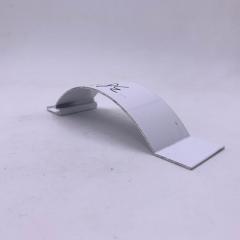
Bending and Forming transforms straight extrusions into curved or angled components. Unlike steel bending, aluminum requires careful attention to springback—the tendency of bent aluminum to partially return toward its original shape. Experienced fabricators bend profiles in lower-strength tempers (like T4) before heat treating to final properties, minimizing cracking and achieving consistent curves.
Punching and Shearing creates holes, notches, and cutouts efficiently for high-volume production. Progressive dies can punch multiple features in a single stroke, dramatically reducing per-piece processing time compared to individual drilling operations.
Welding and Assembly joins multiple extrusions into complete subassemblies or finished products. Aluminum welding differs significantly from steel welding—the higher thermal conductivity and lower melting point demand specialized procedures and experienced welders. MIG, TIG, and friction stir welding all find application depending on joint requirements and production volumes.
Many extruders now offer one-stop manufacturing that handles everything from die design through secondary processing, finishing, and assembly. This integrated approach eliminates coordination headaches between multiple vendors while maintaining quality control throughout the production chain. When evaluating potential partners, understanding their secondary processing capabilities proves just as important as their extrusion expertise—particularly for projects requiring tight tolerances or complex finished geometry.
So you've designed the perfect profile, selected your alloy, and specified the ideal finish—but what will all this actually cost? And how long before you'll have parts in hand? These practical questions often determine whether a custom aluminum extrusion project moves forward, yet clear answers remain frustratingly elusive. Unlike stock aluminum extrusions with published pricing, custom projects involve multiple cost variables that interact in complex ways.
Understanding these cost drivers helps you budget realistically and avoid surprises. According to Gabrian International, the total price for manufacturing custom extruded aluminum comes down to a combination of many factors—some predictable like production volumes and labor costs, while others like shipping expenses and raw material prices prove harder to foresee.
Let's break down the key factors that shape aluminum extrusion cost so you can plan your project with confidence.
Your custom aluminum extrusion dies represent the first major investment—and often the most misunderstood expense. Unlike stock profiles where dies already exist, custom projects require tailor-made tooling manufactured from scratch. This upfront cost gets amortized across your production volume, directly impacting per-unit pricing.
What influences aluminum extrusion tooling costs? Several factors come into play:
According to Gabrian, tool costs for aluminum extrusion dies used in normal architectural and industrial applications typically range from $400 to $1,000. Tool costs for large parts produced on 2,000-4,000 ton presses can reach as high as $2,000. Complex geometries requiring intricate die designs push costs higher still.
Here's an important detail many buyers miss: some manufacturers refund tooling costs if you purchase a stipulated amount within two years. Most also don't charge for replacement dies after their useful life ends—provided orders continue. These policies can significantly reduce effective tooling costs for ongoing production relationships.
Beyond tooling, multiple variables influence the per-unit cost of your custom metal extrusion services. Thinking through each factor helps you optimize designs for cost-effectiveness:
The cost of aluminum itself represents the biggest wild card in the pricing equation. Political events, environmental regulations in major producing countries, and global economic conditions all impact raw material pricing. Some buyers lock in rates by having extruders purchase metal in advance for ongoing production needs, making costs more predictable.
Minimum order quantities exist for practical reasons—not just to maximize manufacturer revenue. When you request custom alum extrusion shapes, manufacturers incur setup costs regardless of order size: die preparation, press configuration, quality checks, and process optimization. Spreading these overheads across larger quantities makes small-lot production economically challenging.
According to KMC Aluminium, several factors drive MOQ requirements:
What about lead times? Plan for three primary phases:
Tooling lead time: Creating your custom die typically takes 2-4 weeks, though complex designs may require longer. Normal tool turnaround runs 3-4 weeks according to industry sources.
Extrusion lead time: Once dies are ready, production scheduling determines when your order runs. Sample approval typically precedes full production, with pressing following within a week of approval.
Fabrication and finishing lead time: Secondary operations add days or weeks depending on complexity—CNC machining, anodizing, powder coating, and assembly all extend timelines.
For realistic project planning, expect 6-10 weeks from initial order to delivery for straightforward custom projects. Complex profiles with tight tolerances, multiple finishing steps, or overseas shipping may require 12 weeks or more. Building buffer time into your schedule prevents costly production delays downstream.
With cost factors understood, how do you evaluate potential extrusion partners who can actually deliver quality results within your budget?
You've designed your profile, selected alloys, specified finishes, and budgeted for tooling—but who will actually manufacture your custom aluminum extrusions? This decision can make or break your project. The wrong partner delivers late, misses tolerances, or struggles with communication. The right partner becomes an extension of your engineering team, solving problems before they become costly mistakes.
Sounds overwhelming? It doesn't have to be. Whether you're evaluating aluminum extrusion companies domestically or exploring overseas options, systematic evaluation separates capable manufacturers from those who simply claim capability. According to Orange Aluminum, choosing the right aluminum extrusion provider is a decision that can impact the quality, cost, and success of your project—making thorough evaluation essential.
Let's walk through the criteria that matter most when selecting custom aluminum extrusions suppliers for your next project.
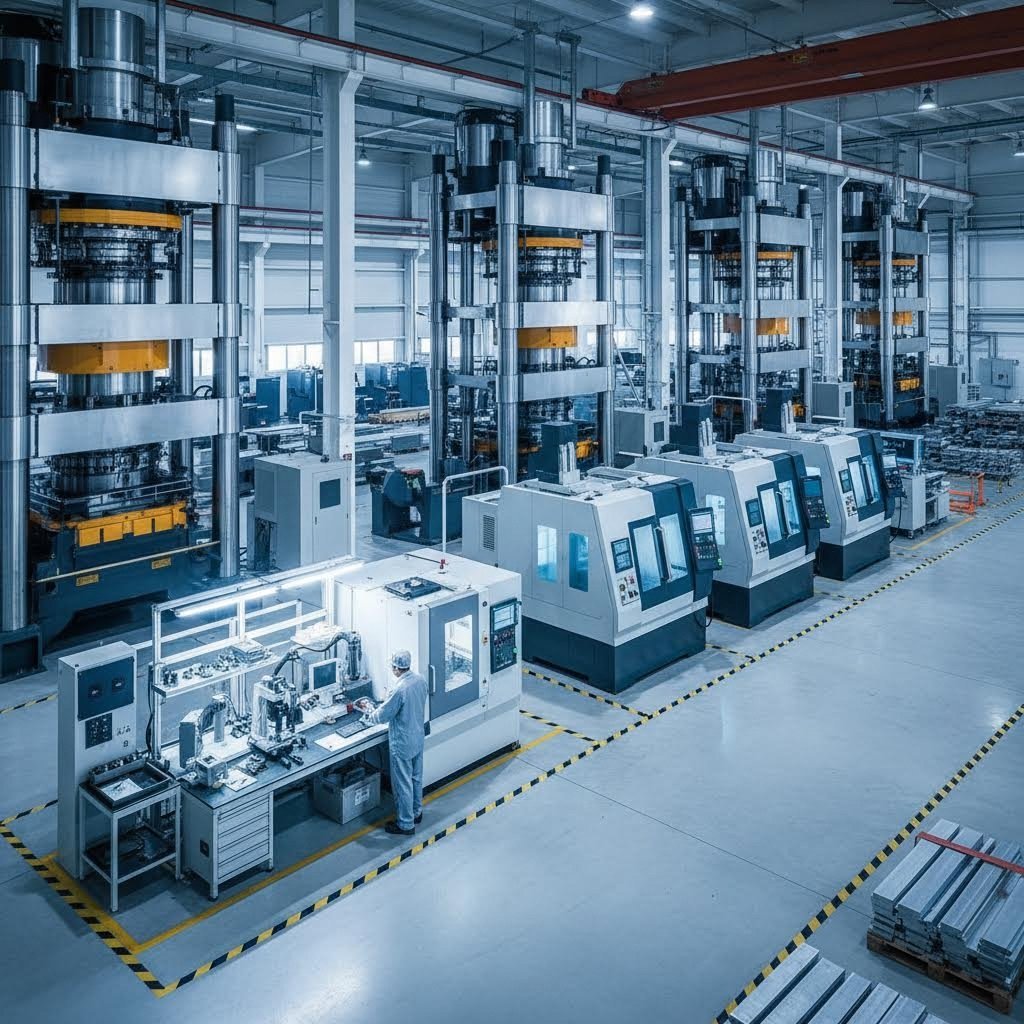
Manufacturing capability isn't just about having equipment—it's about having the right equipment for your specific project requirements. A manufacturer with only small presses cannot produce large structural profiles, while one lacking CNC machining will send your parts elsewhere for secondary processing, adding cost and lead time.
When evaluating aluminum extrusion suppliers, ask these capability questions:
Why does press range matter so much? Consider this: a manufacturer operating 35 extrusion presses ranging from 600T to 5500T—like Shengxin Aluminium's deep processing facility—can handle everything from small aluminum extrusions for electronics to massive structural profiles for industrial applications. This breadth means one partner serves diverse project needs without capability limitations.
End-to-end service capability deserves special attention. Custom aluminum extruders offering complete solutions—from die development through extrusion, CNC machining, surface finishing, and assembly—eliminate coordination headaches between multiple vendors. According to JM Aluminium, a reputable manufacturer should have a well-equipped facility with modern machinery and technology, as the quality and precision of extruded profiles depend significantly on the equipment being used.
Certifications provide third-party verification that a manufacturer follows established quality management practices. But what do these certifications actually mean for you as a customer?
ISO 9001:2015 stands as the globally recognized standard for quality management systems. According to Roemer Industries, this certification means enhanced customer confidence, improved operational performance, stronger brand reputation, and better internal processes. Manufacturers holding this certification undergo annual audits ensuring they perform to quality standards with documented procedures throughout production.
What does ISO 9001:2015 mean practically for your custom extrusion aluminum order?
Beyond ISO 9001:2015, look for industry-specific certifications relevant to your application. Automotive suppliers may need IATF 16949 certification. Aerospace applications often require AS9100 compliance. These specialized certifications add layers of quality assurance beyond general manufacturing standards.
When evaluating certified aluminum suppliers for custom products, request copies of current certificates and verify their validity with issuing bodies. Certifications expire, and some manufacturers allow lapses while still displaying outdated credentials.
Even the best manufacturing equipment produces poor results without knowledgeable people operating it. Technical support availability often separates top aluminum suppliers for custom products from adequate ones—especially when design challenges arise mid-project.
Evaluate these support factors:
According to Orange Aluminum, good customer support and effective communication are critical for a successful partnership—clear communication channels and a dedicated point of contact can make a significant difference in ensuring smooth collaboration.
Should you source custom extrusion aluminum domestically or explore overseas manufacturing? Both approaches offer legitimate advantages depending on your priorities.
Domestic manufacturing advantages:
Overseas manufacturing advantages:
Many buyers adopt hybrid strategies—prototyping and small runs domestically while shifting volume production overseas once designs stabilize. Manufacturers like Shengxin Aluminium bridge this gap by combining extensive manufacturing capabilities (35 presses, CNC machining centers, complete surface treatment options) with technical teams supporting international customers through the entire process from die development to mass production.
Before committing to any custom aluminum extrusions supplier, work through this comprehensive evaluation:
No single manufacturer excels at everything. Your ideal partner depends on project-specific priorities—whether that's the fastest possible delivery, the lowest per-unit cost, the tightest tolerances, or the most comprehensive end-to-end service. By systematically evaluating aluminum extrusion companies against your actual requirements, you'll identify partners capable of delivering results rather than just promises.
With your manufacturing partner selected, how do you prepare your project specifications to ensure a smooth launch?
Ready to turn your custom aluminum extrusion concept into reality? You've absorbed a tremendous amount of information—from alloy properties and tolerance standards to finishing options and partner evaluation criteria. Now comes the moment where knowledge transforms into action. The difference between projects that succeed and those that stall often comes down to preparation and clear communication from day one.
According to Howard Precision Metals, clear communication with suppliers is essential for ensuring products meet required specifications—detailed specifications and open lines of communication address potential issues before they become costly problems. Let's walk through how to prepare your project for a smooth launch.
Before contacting potential manufacturing partners, gather the information they'll need to provide accurate quotes and realistic timelines. This upfront preparation saves weeks of back-and-forth later.
Your project specification package should include:
Don't have CAD files yet? Many custom profile extrusion partners offer design assistance. Sketch your concept with approximate dimensions, and their engineering teams can develop proper drawings for review before die production begins.
Successful custom extrusion projects share one common trait: thorough preparation before production begins. Define your requirements clearly, understand your alloy and finish options, and select a manufacturing partner whose capabilities align with your project demands.
With your specifications prepared, you're ready to engage potential partners. Request quotes from multiple aluminum extrusion companies to compare pricing, lead times, and service offerings. Pay attention to how responsively they communicate during this initial phase—it often predicts their performance throughout your project.
For readers seeking comprehensive partnership with end-to-end support, Shengxin Aluminium's custom extrusion services offer a compelling option. With over 30 years of experience, 35 extrusion presses ranging from 600T to 5500T, and complete in-house capabilities including CNC machining and surface treatments, their technical team supports projects from die development through mass production. Factory-direct pricing eliminates intermediary markups while maintaining quality standards that serve customers worldwide.
Remember these key takeaways as you move forward with custom extruded profiles:
Custom extrusion aluminum projects succeed when preparation meets capability. You now understand the complete journey from alloy selection to final part. The next step? Reach out to qualified manufacturers, share your specifications, and start transforming your concept into precision-engineered extrusion profiles ready for your application.
Custom aluminum extrusion pricing depends on several factors including die development costs ($400-$2,000+ depending on complexity), raw aluminum material prices, alloy selection, order volume, surface finishing requirements, and secondary processing needs. Tooling is a one-time investment often amortized across production runs, and some manufacturers offer tooling refunds when you reach specified order volumes within two years. Higher quantities significantly reduce per-unit costs by spreading fixed expenses across more pieces.
The main difference lies in strength versus surface finish quality. 6063 aluminum is known as 'architectural aluminum' because it extrudes into smooth, attractive surfaces ideal for visible applications like window frames and decorative trim. 6061 aluminum offers approximately 50% higher tensile strength (42,000 psi vs 28,000 psi in T6 temper), making it better for structural and load-bearing applications like machine frames and vehicle components. Choose 6063 when appearance matters most; select 6061 when structural performance is the priority.
Expect 6-10 weeks from initial order to delivery for straightforward custom projects. This timeline includes tooling lead time (2-4 weeks for die creation), extrusion production scheduling, and any secondary processing or finishing. Complex profiles requiring tight tolerances, multiple finishing steps, or overseas shipping may require 12 weeks or more. Sample approval typically occurs before full production begins, adding to the overall timeline.
Major surface finishing options include anodizing (clear, bronze, black, or custom colors), powder coating (extensive color and texture choices), and PVDF coating (premium 20-year durability for coastal and high-rise applications). Anodizing integrates permanently with the aluminum and cannot chip or peel. Powder coating covers surface imperfections and offers lower cost for large applications. Specialized treatments like micro-arc oxidation create ceramic-like surfaces for extreme wear resistance.
Prepare CAD drawings (.DWG or .DXF files) with critical dimensions marked, application descriptions explaining loads and operating environment, alloy preferences, surface finish requirements, tolerance specifications for critical dimensions, quantity estimates for initial and annual orders, and any secondary processing needs like drilling or CNC machining. If you lack CAD files, many manufacturers offer design assistance to develop proper drawings from concept sketches before die production begins.



 serviço on-line
 0086 136 3563 2360
 sales@sxalu.com
 +86 136 3563 2360
 português
 English
 français
 Deutsch
 русский
 español
 العربية
 ไทย
ไทย Việt
Việt Українська