Search for "bathroom window vent" and you'll find wildly different answers—because the phrase itself means different things to different people. Some homeowners picture cracking open a window after a steamy shower. Others imagine a compact bathroom exhaust fan bolted into a window pane. Both are right, and neither tells the whole story.
A bathroom window vent is any ventilation device or method that uses a bathroom window—or the window frame itself—to move humid, stale air out of the room and replace it with fresh air. It can be as simple as an operable window or as specialized as a frame-integrated trickle vent.
Why does this even exist? Bathrooms are the most moisture-heavy rooms in any home. Every hot shower floods the space with steam, and without a clear path for that damp air to escape, trouble follows fast. A bathroom window vent provides that escape route—channeling exhaust fan exhaust or natural airflow through or near the window to keep humidity in check. For homes without ceiling ductwork, where installing a bathroom ceiling vent fan isn't practical, the window becomes the primary ventilation point. It's a surprisingly versatile solution, and one that takes more forms than most people realize.
When you hear this term, it could refer to any of four distinct setups. Here's a quick breakdown:
Each option solves the same core problem differently, and the right choice depends on your bathroom's layout, your budget, and whether you own or rent. This guide covers all four so you can match the solution to your specific situation—starting with the real reason any of this matters: moisture damage that's probably already happening behind the scenes.
Picture this: you step out of a hot shower, and the mirror is completely fogged over. Steam hangs in the air, water droplets cling to every tile, and the ceiling glistens with condensation. Most people shrug it off—just a normal bathroom, right? In reality, that scene is a snapshot of a slow-motion disaster unfolding on your walls, in your lungs, and inside your home's structure.
The science behind it is straightforward. A typical ten-minute shower pumps roughly half a pint of water vapor into the air. That warm, moisture-laden air rises and immediately starts looking for cooler surfaces to land on—mirrors, windows, exterior walls, ceiling paint. When steam hits those cooler surfaces, it condenses back into liquid water. Without a working exhaust fan or adequate airflow path, that water has nowhere to go. It soaks into grout lines, seeps behind tiles, and saturates drywall.
Bathrooms without windows trap this moisture entirely. But even bathrooms with windows aren't safe if those windows stay closed. A sealed bathroom after a shower essentially becomes a humidity chamber, and the damp conditions can persist for hours. Mold spores—which are already floating invisibly through every home—only need two things to colonize a surface: moisture and time. A consistently humid bathroom hands them both on a silver platter.
The consequences split into two categories, and both are serious. On the health side, the U.S. Environmental Protection Agency warns that molds produce allergens, irritants, and in some cases potentially toxic substances called mycotoxins. Inhaling or touching mold spores can trigger allergic reactions—sneezing, runny nose, red eyes, skin rash—and can provoke asthma attacks in people with mold sensitivities. Even individuals without known allergies may experience eye, skin, nose, throat, and lung irritation from prolonged exposure. Children and the elderly face elevated risk.
On the structural side, persistent moisture quietly destroys your bathroom from the inside out. Grout crumbles and darkens. Drywall softens, warps, and develops telltale brown stains. Wood cabinetry and trim swell, split, and eventually rot. Paint bubbles and peels away from the ceiling. These repairs aren't cheap, and they're entirely preventable with proper ventilation.
Not sure whether your bathroom fan—or lack of one—is keeping up? Watch for these warning signs:
If you're nodding along to more than one of those, your bathroom is telling you its bath vent setup isn't working—or doesn't exist at all. The EPA's guidance is blunt: moisture control is the key to mold control. You can scrub mold off tile grout every week, but if you don't fix the underlying ventilation problem, it will come right back.
A bathroom window vent—whether it's an operable window, a window-mounted fan, or a passive vent insert—is often the most accessible fix, especially in older homes and apartments where ceiling-ducted exhaust systems were never installed. The real question isn't whether you need better airflow. It's which type of ventilation matches your bathroom, your budget, and your building.

Knowing you need better airflow is one thing. Choosing the right solution is where most homeowners get stuck—because bathroom window ventilation isn't a single product. It's a category with four distinct approaches, each with trade-offs that rarely get discussed honestly. Let's break every option down so you can see exactly what fits your situation.
This is the most basic bathroom vent fan alternative: just open the window. Warm, humid air naturally rises and flows outward through the opening, especially when cooler outdoor air enters from a lower point in the room. This stack-effect airflow can be surprisingly effective—if conditions cooperate.
The catch? Conditions often don't cooperate. Rain forces you to close the window right when you need ventilation most. In winter, you're choosing between mold prevention and freezing in the shower. Privacy is another sticking point—ground-floor bathrooms with clear glass and neighboring sightlines make this a non-starter for many people. Security risks compound the problem, since a bathroom window left open while you're away is an invitation. And once you close the window, humidity control stops entirely. There's no residual airflow, no passive exchange—just a sealed room filling with moisture again.
Still, for mild climates and upper-floor bathrooms with frosted glass, an operable window remains a zero-cost, zero-maintenance starting point. It's just rarely enough on its own.
Imagine the performance of a ceiling-mounted bath fan without the ductwork headache. That's essentially what a bathroom window exhaust fan delivers. These units install directly into or over a window opening, using a motorized blade to actively pull humid air out of the bathroom and push it outdoors.
You'll find three main configurations:
Window-mounted exhaust fans are particularly valuable in bathrooms that lack ceiling ductwork—older homes, apartments, and additions where running a duct to the roof simply isn't feasible. If you've ever wished you could swap out a noisy bathroom wall exhaust fan for something easier to maintain, a window-mounted unit is worth a serious look. Many newer models even pair a bathroom vent fan with light functionality, combining illumination and exhaust in a single compact unit.
What if you could ventilate your bathroom without opening the window or plugging anything in? That's the premise behind passive ventilation inserts. These come in two main forms:
Window vent inserts are panels—usually acrylic, aluminum, or PVC—that replace a portion of the window glass. They feature built-in louvers, slots, or mesh openings that allow air to flow through continuously. You keep your window closed and locked while still maintaining a steady trickle of fresh air. Most include adjustable sliders so you can control how much airflow you want.
Frame-integrated trickle vents take the concept further by embedding small ventilation slots directly into the window frame itself. They're nearly invisible from inside the room, and because the window glazing stays fully intact, you don't sacrifice any glass area or natural light. These vents rely on natural pressure differentials—wind, temperature differences between inside and out—to drive a gentle, constant air exchange.
Both options maintain full privacy and security since the window never needs to open. They work in rain, they work at night, and they work when you're not home. The trade-off is airflow volume—passive systems move far less air per minute than any mechanical fan, so they're best for background moisture management rather than clearing a steam-filled room after a long shower.
Sorting through four different solutions gets easier when you can see them stacked against each other. This table breaks down the key factors that actually drive the decision:
| Feature | Operable Window | Window-Mounted Exhaust Fan | Window Vent Insert | Frame-Integrated Trickle Vent |
|---|---|---|---|---|
| Airflow Type | Passive (natural) | Active (mechanical) | Passive (natural) | Passive (natural) |
| Installation Difficulty | None (already exists) | Easy to Moderate | Moderate | Moderate to Hard |
| Cost Range | Free | Low to Medium ($25–$150) | Low to Medium ($30–$100) | Medium ($50–$200+) |
| Works in Rain | No | Yes (unit covers opening) | Yes | Yes |
| Privacy Maintained | No (window open) | Yes (fan panel blocks view) | Yes | Yes |
| Requires Electricity | No | Yes | No | No |
A few patterns jump out immediately. If privacy and all-weather operation matter most, passive inserts and trickle vents win. If you need serious airflow to handle daily showers in a small bathroom, a window-mounted exhaust fan is the strongest performer. And if you're in a mild climate with a second-floor bathroom, simply opening the window may genuinely be enough—no purchase required.
The reality for most bathrooms, though, is that one method alone won't cover every scenario. A trickle vent handles background humidity beautifully, but it can't evacuate a cloud of post-shower steam. A powerful exhaust fan clears that steam in minutes, yet it does nothing when it's switched off. The smartest approach often layers two methods together—and which combination makes sense depends heavily on what your local building code actually requires.
You've picked a ventilation method that makes sense for your bathroom—but does it satisfy your local building code? This is the question most homeowners skip, and it can turn a weekend project into a code violation that complicates future home sales, insurance claims, and permit approvals. Building codes aren't just bureaucratic red tape. They represent the minimum safety and health standards your bathroom ventilation must meet.
The International Residential Code (IRC)—the baseline model code adopted in most U.S. jurisdictions—gives homeowners a choice. Bathrooms must have either mechanical ventilation or an operable window that provides natural airflow. If you're relying on a window alone, most codes require that the openable area be at least 1.5 square feet. That's roughly equivalent to a window sash opening about 18 inches wide by 12 inches tall—smaller than many people assume.
Sounds straightforward, but here's the catch: "model code" means the IRC is a template. Your city, county, or state may adopt it with amendments that change those numbers or add requirements entirely. Some jurisdictions demand a larger opening. Others won't accept a window at all for new construction, regardless of size. The only way to know what actually applies to your home is to check with your local building department—not a blog, not a hardware store associate, not a neighbor who "just went through this."
Several scenarios take the window-only option off the table. Windowless bathrooms—interior powder rooms, basement half-baths, enclosed shower rooms—always require mechanical exhaust fans. There's no natural ventilation workaround when there's no exterior wall to place a window on.
Beyond that, many jurisdictions now mandate an exhaust fan bathroom setup in all new construction and major remodels, even when an operable window exists. California's Title 24 energy code, for example, requires mechanical exhaust ventilation in every bathroom—including half-baths—with no window exception. As energy codes tighten nationwide, expect more states to follow this approach.
So what capacity do those bathroom exhaust fans actually need? The IRC specifies a minimum of 50 CFM for intermittent operation or 20 CFM for continuous operation. The Home Ventilating Institute (HVI) recommends going further: 1 CFM per square foot for bathrooms up to 100 square feet, or 50 CFM per fixture (toilet, shower, tub) for larger bathrooms. A bathroom with a toilet, shower, and tub should ideally have 150 CFM of exhaust capacity. If you're planning a bathroom exhaust fan replacement, sizing up to HVI recommendations rather than settling for bare-minimum code compliance will deliver noticeably better moisture control.
One detail worth flagging: the IRC also states that exhaust air from bathrooms must be vented directly to the outdoors—never into an attic, crawl space, or adjacent room. A bathroom vent light combo unit or standalone fan that dumps humid air into your attic isn't just ineffective; it's a code violation that can cause serious structural damage overhead.
Adding or modifying a bathroom window vent sounds like a small project, but scope determines whether you need a permit. Swapping a plug-in window fan into an existing opening? Typically no permit required. Cutting a new window opening in an exterior wall, hardwiring an exhaust fan into your electrical panel, or altering ductwork? Those changes almost always trigger permit requirements, and inspections may follow.
Permit rules vary wildly by municipality. Some cities require permits for any electrical work beyond changing a light switch. Others are more relaxed about minor modifications. The stakes aren't abstract—unpermitted work can void homeowner's insurance coverage, create legal complications during a home sale, and result in fines if discovered during a future inspection.
Always verify ventilation requirements and permit obligations with your local building authority before starting any bathroom ventilation work.
The bottom line is simple: building codes define the floor, not the ceiling, for bathroom ventilation performance. Meeting code keeps you legal; exceeding it keeps your bathroom dry and your air healthy. And the specific type of window you choose for that ventilation matters more than most people realize—certain styles handle moisture, privacy, and year-round usability far better than others.
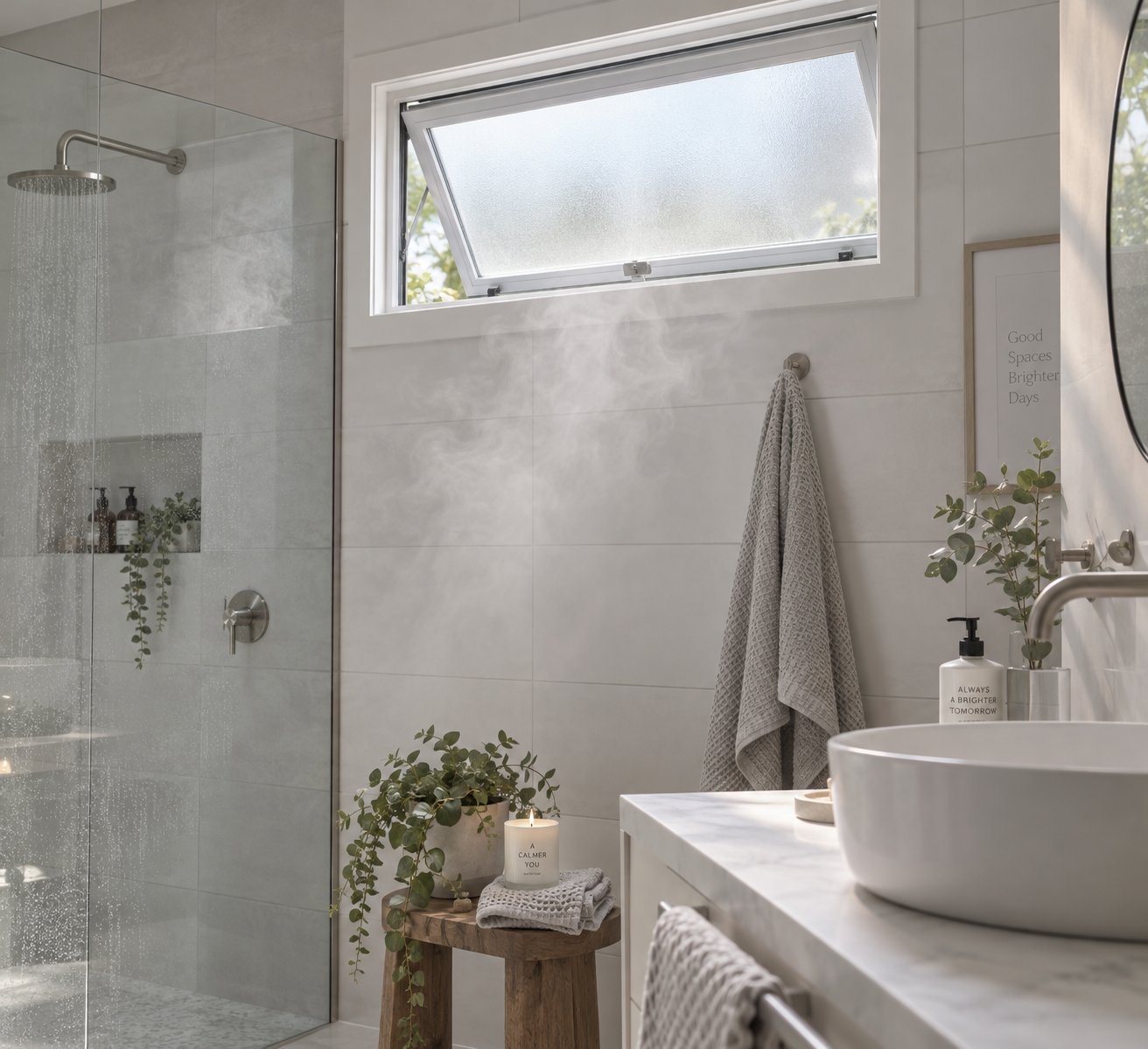
Not every window is built to handle a bathroom's demands. A gorgeous picture window might flood the room with natural light, but it won't move a single cubic foot of humid air. And a double-hung that looks fine in a bedroom can become a privacy nightmare and water-intrusion risk when installed next to a shower. The window style you choose shapes how well your bathroom vent actually performs—day after day, season after season.
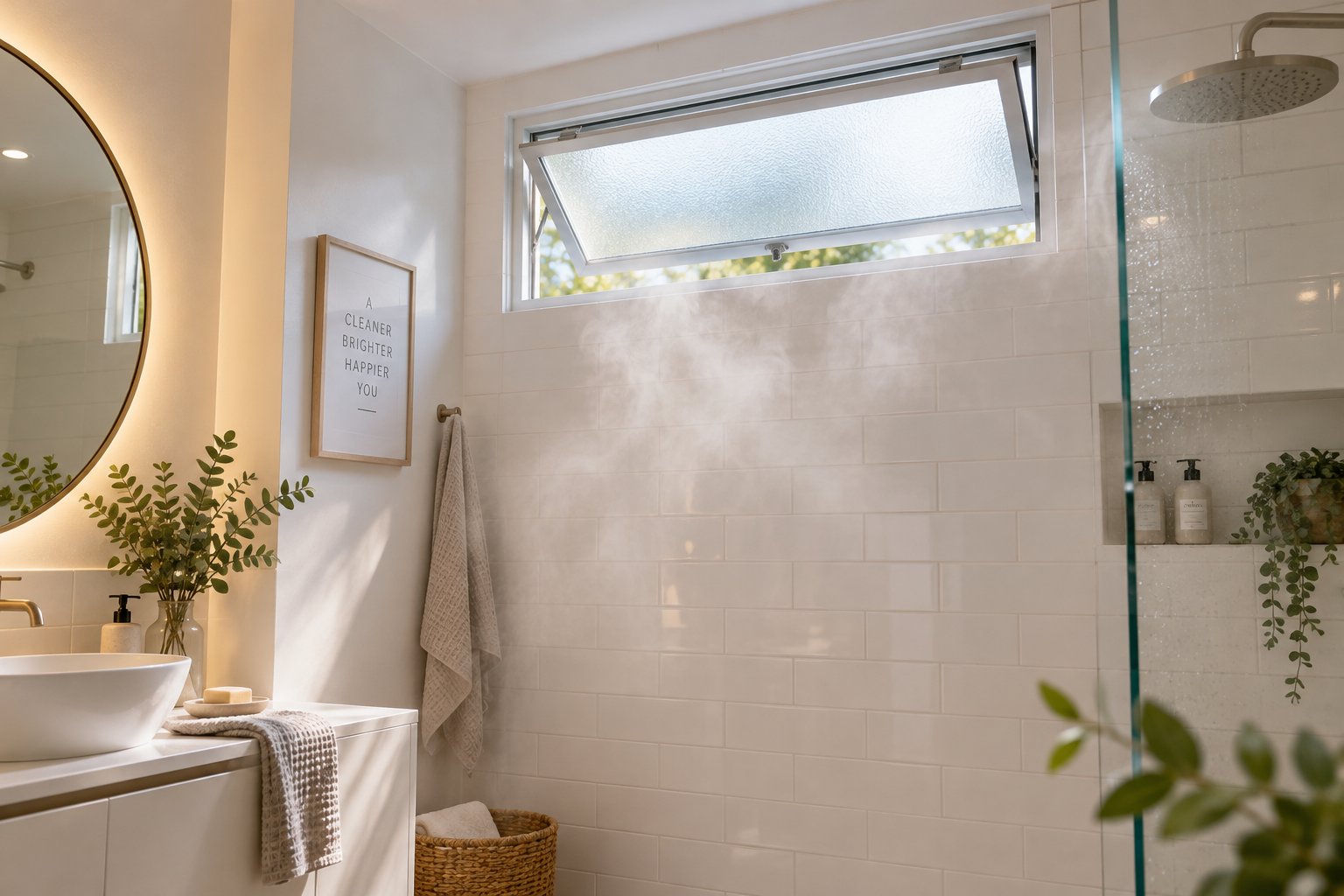
If you could only pick one window style for a bathroom, the awning window would be the strongest contender. Hinged at the top and opening outward from the bottom, an awning window creates a shield-like canopy when open. Rain falls against the exterior surface of the glass and rolls away instead of pouring into your bathroom.
That rain-safe design makes awning windows uniquely practical for an exhaust vent path you can leave cracked open year-round—even during a spring downpour. Warm, moist bathroom air rises naturally and escapes through the gap at the bottom while gravity keeps water out. You'll also notice that the opening angle is narrow enough to deter intrusion, adding a passive layer of security without any extra hardware.
Placement matters here. Awning windows perform best when mounted high on the wall, above head height. At that elevation, rising steam hits the open vent directly, privacy is inherently protected, and the limited opening angle poses virtually no security concern. For bathrooms that rely on natural airflow rather than bathroom fans, this single design choice solves three problems at once.
Need to move more air, faster? Casement windows deliver. Hinged at the side and cranked outward, a casement opens its entire sash area to the outdoors—no upper or lower pane blocking part of the opening. In a larger bathroom or a space with a soaking tub generating heavy steam, that full-panel airflow is hard to beat. The tight seal casement windows form when closed also prevents air leaks during colder months, which matters if your bathroom vent strategy includes an exhaust fan with light or other mechanical unit that creates slight negative pressure in the room.
Sliding windows take a different approach. One sash glides horizontally past the other, requiring zero clearance outside the wall—making them ideal for bathrooms where an outward-swinging window would collide with exterior walkways, landscaping, or neighboring structures. They're also simple to operate in tight spaces. Imagine reaching across a vanity to ventilate: a slider requires one hand and a smooth push, while a casement crank can be awkward in that position.
Sliding windows do sacrifice some airflow potential since only half the total opening is ever exposed. For a small half-bath or powder room, though, that's usually more than enough. And because you control exactly how far the sash slides open, you can leave a narrow gap for continuous background ventilation—a few inches is often sufficient to keep humidity from building between showers.
Here's the concern nobody loves talking about: bathrooms demand privacy, and a bathroom vent that requires an open window can feel like a direct conflict with that need. The good news is that privacy and ventilation don't have to compete if you plan the window correctly.
Frosted, obscured, or textured glass is the most effective permanent solution. It blocks visibility from the outside while still transmitting soft, diffused light—and unlike curtains or blinds, it never needs adjusting, never absorbs moisture, and never grows mold. Window placement amplifies the effect: a frosted awning window mounted six feet above the floor is essentially invisible to anyone standing outside, even when fully open.
Security deserves equal attention, especially for ground-floor bathrooms. An open window is an unlocked entry point, and leaving it cracked overnight for ventilation carries real risk. Here are practical ways to maintain airflow without compromising safety:
Each of these strategies lets you keep your bathroom ventilated without leaving the space exposed. Layering two or three together—frosted glass plus a window restrictor plus a high wall mount, for example—creates a setup where privacy, security, and moisture control all work simultaneously.
Of course, picking the perfect window style only matters if you can actually install the ventilation equipment that goes with it. For homeowners considering a window-mounted exhaust fan, the installation process involves some specific steps and common pitfalls worth understanding before you pick up a drill.
A window-mounted ventilation fan is one of the most approachable DIY bathroom upgrades you can tackle—especially when your home lacks the ductwork needed for a traditional ceiling exhaust fan. The process is manageable for anyone comfortable with basic hand tools, and most plug-in models can be up and running in under an hour. Here's exactly what you'll need and how to get it done right.
Before you start, gather everything in one place. Running back and forth to the garage mid-install wastes time and invites shortcuts you'll regret later:
Every window and fan model differs slightly, but the core sequence stays the same. Follow these steps and you'll avoid the most common headaches:
Even a straightforward installation goes sideways when you overlook these pitfalls:
Under-sizing the fan for your bathroom volume. A tiny vent fan designed for a closet-sized space won't keep up with the steam output of a full bathtub and shower combo. Match the fan's CFM rating to your room size—remember, most codes require at least 50 CFM, and the Home Ventilating Institute recommends 1 CFM per square foot for bathrooms up to 100 square feet.
Neglecting to seal around the fan. This is the single most common error. Gaps between the fan panel and window frame let cold air pour in during winter and allow rainwater to seep through during storms. Foam weatherstripping is inexpensive and takes five minutes to apply. Skipping it trades five minutes of effort for months of drafts and potential water damage.
Blocking the exterior exhaust path. The fan needs a clear path to push humid air outside. Shrubs pressed against the window, a patio umbrella leaning on the sill, or even a window screen left in place over the exhaust side can choke airflow and make the unit practically useless. Clear the exterior before you install and check periodically for obstructions.
DIYing a hardwired installation without the right skills. Plug-in models sit comfortably in moderate-difficulty territory—perfect for a weekend project. Hardwired units that connect directly to your electrical panel are a different story. They require proper circuit wiring, junction boxes, and often a dedicated switch. This work should be handled by a licensed electrician. Bathroom electrical work carries real safety risks because of the constant presence of moisture, and code inspectors take it seriously.
For homeowners with full control over their property, a window-mounted exhaust fan is a practical, effective upgrade that sidesteps the complexity and cost of installing bathroom ceiling fans with full ductwork runs. But what if you don't own the property—or you're dealing with a century-old home where cutting into walls isn't realistic? That scenario calls for a completely different playbook.
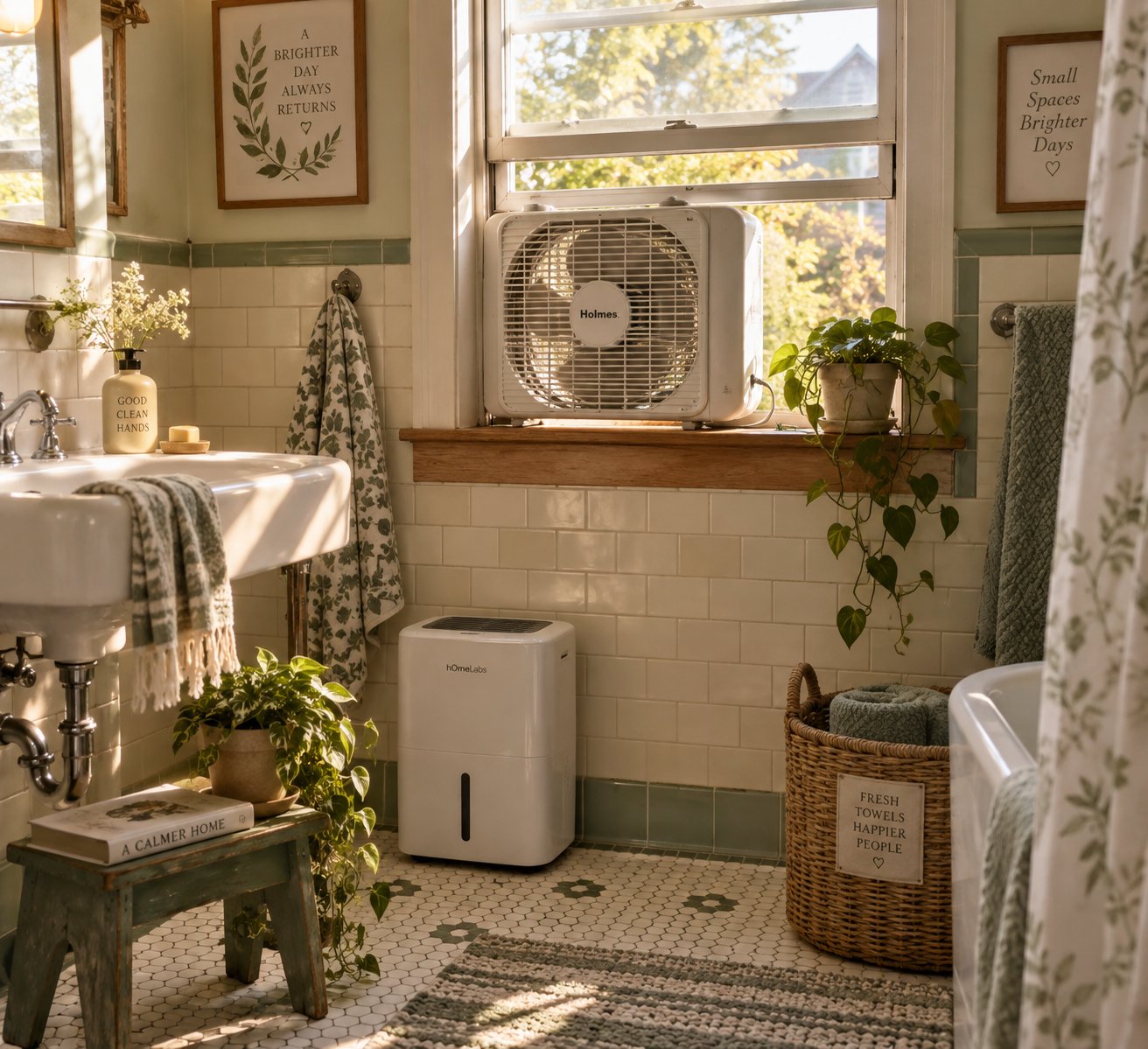
Renting a second-floor apartment with a windowless bathroom that grows mold faster than you can scrub it? Living in a 1940s bungalow where the walls have never seen ductwork and likely never will? You're not alone—and you're definitely not out of options. Millions of bathrooms across the country lack any form of mechanical exhaust, and the people using them every day face the same frustrating reality: the "right" solution everyone recommends (a ducted ceiling fan) is physically or financially impossible to install.
A standard ceiling-mounted exhaust fan needs a clear duct path from the bathroom to the roof or an exterior wall. That means cutting through ceiling joists, running rigid or flexible ductwork through an attic or wall cavity, capping it with a weather-sealed exterior hood, and wiring the unit to a switch. In a rental apartment, none of that is happening—your landlord isn't likely to approve it, and your lease almost certainly prohibits structural modifications. Even if you owned the place, the cost of retrofitting ductwork through finished ceilings and walls in older construction can easily reach $500 to $1,500 or more, depending on routing complexity and local labor rates.
Older homes introduce a second layer of difficulty. Many pre-1960s houses have plaster-and-lath ceilings, balloon-framed walls, or no accessible attic space above the bathroom. Running ductwork through these structures isn't just expensive—it can be genuinely impractical without tearing open finished surfaces. And in multi-story buildings, the bathroom might sit beneath another unit's floor, making a roof exhaust route impossible.
This is exactly where a bathroom window vent earns its place. When the ceiling path is blocked, the window becomes the most viable exhaust point—and the solutions available today are far more refined than propping a sash open and hoping for the best.
The key word for renters is reversible. Every modification you make needs to come undone the day you move out, leaving no holes, no wiring, and no damage. Fortunately, several effective bathroom fan vent options fit that requirement perfectly.
Portable window exhaust fans are the workhorse of this category. These units sit directly on the windowsill or clip into the open sash, drawing humid air out mechanically without any drilling, screwing, or permanent attachment. Most plug into a standard outlet and include expandable side panels that fill the window gap. You can install one in ten minutes and remove it just as fast. For renters searching for an exhaust fan for bathroom use that won't violate a lease, this is the most practical choice available.
Battery-operated ventilation fans take portability a step further. With no cord to run, they can be placed in any window regardless of outlet proximity. Airflow capacity is lower than plug-in models—typically 40 to 80 CFM compared to 100+ CFM for corded units—but in a small half-bath or powder room, that can be enough to prevent moisture buildup. Think of them as a targeted solution rather than a heavy-duty exhaust system. Some models even include a bathroom exhaust fan with humidity sensor that automatically activates when moisture levels spike, so you don't have to remember to switch it on before every shower.
Simply opening the window remains the zero-cost baseline. It's not glamorous, but developing a deliberate habit—opening the window five minutes before you shower and leaving it open for at least 20 minutes after—makes a measurable difference. The pre-shower opening establishes airflow before steam starts building, and the post-shower window time lets residual humidity escape instead of settling onto surfaces.
For the best results, layer multiple strategies together. Here's a practical checklist any renter can implement without modifying a single surface:
That last point often gets dismissed as excessive, but it's remarkably effective. A quick 60-second squeegee pass removes the majority of surface water from shower walls. That water would otherwise evaporate over the next several hours, keeping the room's humidity elevated long after you've left. Combined with a portable fan and an open door, this routine can cut post-shower humidity duration roughly in half—without touching a single screw.
Sometimes, no combination of portable fans and good habits is enough. If you're seeing persistent mold on walls or ceilings, black spots creeping along grout lines despite regular cleaning, or condensation that never fully dries between showers, the problem likely exceeds what a renter-level fix can solve. At that point, the conversation needs to shift to your landlord.
Most states include ventilation adequacy within their implied warranty of habitability—the legal requirement that landlords maintain rental units in livable condition. Chronic mold growth resulting from insufficient ventilation fans or a complete lack of exhaust infrastructure can constitute a habitability violation, potentially obligating your landlord to install proper mechanical ventilation at their expense.
The approach matters. Document everything before initiating the conversation:
A reasonable landlord will recognize that addressing ventilation proactively is far cheaper than remediating mold damage after it spreads into drywall and framing. And for tenants, a written paper trail protects your rights if the situation escalates to a repair-and-deduct claim or a code enforcement complaint.
Whether you're a renter making the best of a portable setup or a homeowner weighing a more permanent upgrade, one category of solution bridges both worlds: passive ventilation that requires no electricity, no ductwork, and minimal installation. Trickle vents, in particular, offer continuous moisture management that doesn't depend on anyone remembering to flip a switch.
Mechanical fans are great at clearing a wall of steam—but they only work when someone turns them on. The moment you switch off even the best bathroom exhaust fan, moisture starts accumulating again. Residual dampness in grout lines, on shower walls, and along window frames doesn't wait politely until your next shower. It evaporates slowly and steadily, raising the room's baseline humidity level hour after hour. That quiet, between-showers buildup is what feeds mold colonies long before you notice them. Passive ventilation tackles exactly this blind spot.
Imagine a narrow, adjustable slot—roughly the width of a pencil—running along the top of your window frame. That's a trickle vent. These small openings are engineered directly into the window frame itself, permitting a controlled trickle of fresh outdoor air to enter the room while stale, moisture-laden indoor air escapes through natural pressure differentials. No electricity required. No moving parts to maintain. No noise.
The driving force is simple physics. Wind pressure on the exterior side of the building, combined with temperature differences between indoor and outdoor air, creates a gentle but constant circulation loop. Warmer, humid bathroom air naturally rises and pushes outward through the vent slot, while cooler, drier air seeps inward to replace it. The airflow rate is modest—far less than a bathroom ventilation fan—but it operates around the clock without any human intervention.
Trickle vents have been standard in European residential construction for decades, mandated in countries like the United Kingdom under Part F of the Building Regulations. In North America, they're gaining traction in energy-efficient and passive-house builds where controlled background ventilation is part of the overall moisture management strategy. If you've ever replaced windows in a newer build and noticed small slider-controlled openings along the frame head, you've already seen them in action.
Here's the core argument for trickle vents in a bathroom: mold doesn't grow during the shower. It grows in the hours after the shower, when nobody's running an exaust fan and the door is closed. A bathroom that drops to 40% relative humidity between uses gives mold spores nothing to work with. A bathroom that hovers at 65% or higher around the clock—because it's sealed tight with no background air exchange—becomes a petri dish.
Trickle vents address this by delivering 24/7 low-level ventilation that continuously dilutes indoor humidity with drier outdoor air. They don't replace the burst of mechanical exhaust you need during a shower, but they prevent the baseline humidity from creeping upward in the hours between bathroom use. Think of it as the difference between mopping a floor once a day and having a drain that constantly carries water away—one reacts to the mess, the other prevents it from pooling in the first place.
Privacy and security add another layer of appeal. Because the window stays fully closed and locked, trickle vents eliminate the vulnerabilities that come with leaving a sash cracked open overnight. No sightline concerns, no intruder access points, no rain entry. For ground-floor bathrooms where an open window is a non-starter, this is a meaningful advantage.
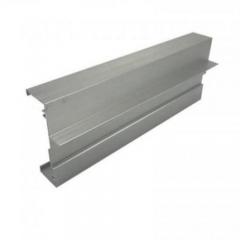
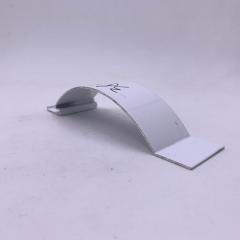
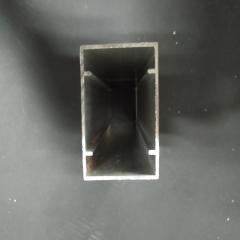
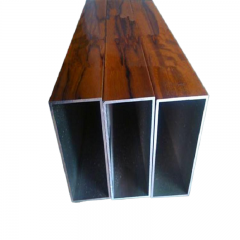
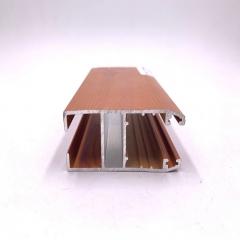
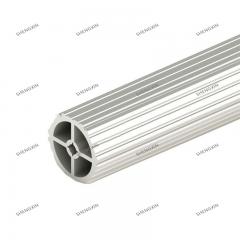
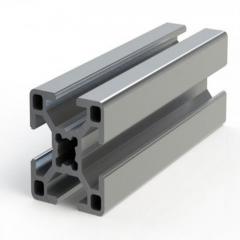
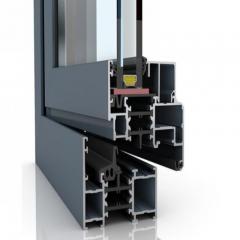
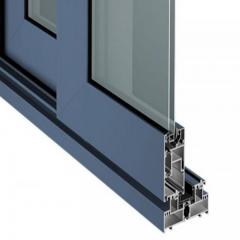
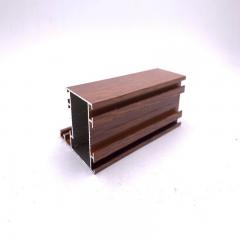
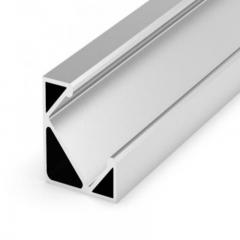
Shengxin Aluminium's Fresh Air Trickle Vent is one example of a frame-integrated passive ventilation solution designed specifically for moisture-prone rooms like bathrooms, kitchens, and laundry areas. Its adjustable slot mechanism lets you dial airflow up or down depending on the season, and the aluminum construction resists the corrosion that humid bathroom environments inflict on lesser materials. For homeowners evaluating passive options as part of a bathroom vent fan replacement or a broader window upgrade, it's a product worth investigating.
The smartest bathroom ventilation strategies don't pick one method—they layer two. A trickle vent handles the quiet, continuous work of keeping baseline humidity low between showers. A mechanical fan—whether it's a window-mounted unit, a ceiling exhaust, or even a portable model—handles the heavy lifting during and immediately after peak moisture events.
This layered approach covers both scenarios that cause mold: the acute steam surge from a hot shower and the chronic low-grade dampness that lingers all day in a poorly ventilated room. Neither solution alone addresses both problems effectively. A trickle vent can't evacuate a cloud of shower steam fast enough. A mechanical fan that runs only ten minutes per shower can't prevent humidity from slowly climbing over the other 23 hours. Together, they form a complete system.
Even homeowners who invest in premium exhaust fan heaters for bathrooms—units that combine exhaust, heating, and sometimes lighting in a single ceiling fixture—still benefit from adding a passive trickle vent. The mechanical unit handles active moisture removal and warmth during use; the trickle vent quietly maintains fresh air circulation the rest of the time. It's a small addition with an outsized impact on long-term indoor air quality, and it costs nothing to operate once installed.
Of course, how much passive airflow you actually need—and whether a trickle vent alone can carry the load—depends heavily on where you live. The same vent that works beautifully in a dry, temperate climate may underperform in a region where outdoor air is already saturated with humidity, or where winter temperatures make any air exchange feel like an energy penalty. Climate, it turns out, changes the entire ventilation equation.

A bathroom window vent that works flawlessly in San Diego could be practically useless in Houston—or even counterproductive. Climate isn't a footnote in your bathroom ventilation plan. It's the single biggest variable that determines which method actually keeps moisture under control and which one just moves the problem around. Where you live dictates what the air outside your window carries, and that changes everything about how your bathroom air vent should function.
Here's the counterintuitive truth homeowners in the Gulf Coast, Southeast, and tropical regions need to hear: opening your bathroom window during a muggy August afternoon can actually make humidity worse. When outdoor relative humidity sits at 80% or higher—common from May through October across much of the southern United States—pulling that saturated air into a bathroom already laden with shower steam is like fighting a grease fire with cooking oil. You're adding moisture, not removing it.
In these climates, mechanical exhaust is the clear winner. An exhausting bathroom fan or window-mounted exhaust unit physically pushes humid bathroom air outside without relying on drier replacement air flowing in. A bathroom ceiling exhaust fan rated at 80 to 110 CFM can clear a steam-filled room in under ten minutes, regardless of what's happening outside. Pair that with air conditioning—which dehumidifies incoming air as a byproduct of cooling—and you create a one-directional moisture exit that outdoor humidity can't overwhelm.
Passive trickle vents still play a supporting role here, but their contribution is more modest. They maintain gentle background air exchange during drier winter months and overnight hours when outdoor humidity dips. During peak summer, you'll rely primarily on the mechanical fan and your home's HVAC system to do the heavy lifting.
At the other extreme, homeowners in northern states, mountain regions, and anywhere winters routinely drop below freezing face a completely different problem. Opening a bathroom window in January means a blast of frigid air that sends your heating bill climbing, makes showering miserable, and—in severe cases—risks freezing exposed water supply lines running near exterior walls. Nobody is going to crack a window at 15 degrees Fahrenheit and leave it open for twenty minutes. It simply doesn't happen.
This is the climate zone where passive trickle vents genuinely shine. Because the airflow slot is narrow and controlled, heat loss is minimal compared to an open sash—a fraction of a degree rather than the dramatic temperature drop you'd feel with even a partially raised window. The air exchange still occurs, driven by the pressure differential between warm indoor air and cold outdoor air, but at a rate that your heating system can easily compensate for.
Shengxin Aluminium's Fresh Air Trickle Vent is particularly well-suited for cold-climate bathrooms because its adjustable slot lets you reduce airflow during the coldest months without closing it entirely. You maintain enough exchange to prevent moisture accumulation while avoiding the energy penalty of an open window. For homeowners who've been relying on an extractor fan alone during winter—running it only during showers and sealing the room the rest of the day—adding a trickle vent fills the gap between fan cycles where humidity quietly climbs.
An exhaust fan vent paired with a trickle vent creates a cold-climate system that actually works year-round: the fan handles shower steam aggressively, and the passive vent keeps baseline humidity in check during the long stretches when no one is running hot water.
If you live in a region with mild winters, warm but not oppressively humid summers, and low average rainfall—think the Pacific Northwest's dry months, the inland West, or parts of the Mid-Atlantic spring and fall—you've hit the bathroom ventilation sweet spot. Natural window ventilation works reliably for most of the year. Outdoor air is dry enough to absorb bathroom moisture effectively, and temperatures are comfortable enough that leaving a window open doesn't create a climate-control conflict.
In these conditions, an operable window handles the majority of your needs. Add a portable or window-mounted fan for heavier use—long soaking baths, back-to-back showers when the family is getting ready in the morning—and you're covered. A trickle vent is a worthwhile upgrade if you're already replacing windows or want set-it-and-forget-it background ventilation, but it's a convenience rather than a necessity in temperate, dry zones.
The table below pulls all three climate scenarios together so you can quickly identify the approach that matches your region:
| Climate Type | Best Primary Method | Supplement Needed | Key Risk to Avoid |
|---|---|---|---|
| Hot and Humid | Mechanical exhaust fan (window-mounted or ceiling) | Air conditioning for dehumidification; trickle vent for off-peak months | Opening windows during high outdoor humidity—introduces more moisture |
| Cold | Frame-integrated trickle vent for continuous background airflow | Mechanical exhaust fan for shower steam; keep window closed | Opening windows in freezing temps—heat loss, pipe-freezing risk, discomfort |
| Temperate and Dry | Operable window (natural ventilation) | Portable or window-mounted fan during heavy use | Complacency—skipping ventilation on mild days still allows gradual moisture buildup |
Notice the pattern: no single bathroom ventilation method works optimally across every climate. The homeowners who avoid mold long-term are the ones who match their primary strategy to their region's humidity profile and layer in a secondary method to cover the gaps. Whether that means pairing a powerful exhaust fan with a passive trickle vent in Miami, or combining a trickle vent with occasional window opening in Denver, the principle holds—climate-aware ventilation beats a one-size-fits-all approach every time.
In many U.S. jurisdictions, the International Residential Code allows an operable window with at least 1.5 square feet of opening area to serve as the sole ventilation source in a bathroom. However, some states—California being the most notable—require mechanical exhaust regardless of whether a window exists. The practical reality is that a window alone struggles in rain, cold weather, and high-humidity climates. Pairing an operable window with a passive trickle vent or a window-mounted exhaust fan gives far more reliable moisture control year-round. Always confirm your local code requirements before relying on a window-only approach.
A trickle vent is a narrow, adjustable slot integrated into a window frame that allows continuous low-level air exchange without opening the window. It works passively using natural pressure differentials created by wind and indoor-outdoor temperature differences. In bathrooms, trickle vents are especially valuable because they address the slow humidity buildup that occurs between showers—the period when most mold actually takes hold. Products like Shengxin Aluminium's Fresh Air Trickle Vent are designed specifically for moisture-prone rooms, offering corrosion-resistant aluminum construction and adjustable airflow control. Because the window stays closed, privacy and security remain fully intact.
For plug-in models, the process is straightforward and typically takes under an hour. Measure your window opening precisely, select a fan that fits, open or remove the lower sash, center the fan unit with its exhaust side facing outward, and secure it with included clamps or screws. The critical step most people skip is sealing every gap between the fan panel and window frame with foam weatherstripping or silicone sealant—without this, you'll get drafts, rain intrusion, and reduced performance. Size the fan to at least 1 CFM per square foot of bathroom floor area. If you need a hardwired unit, hire a licensed electrician for the electrical connections.
Renters benefit most from non-invasive, fully reversible solutions. A portable window exhaust fan that sits on the sill or clips into an open sash is the most effective option—no drilling or permanent modifications needed. Battery-operated fans work where no outlet is nearby, though with lower airflow. Beyond equipment, develop a consistent routine: open the window five minutes before showering, leave it open twenty minutes after, squeegee shower walls to remove standing water, and keep the bathroom door open post-use. If mold persists despite these efforts, document the problem with photos and written requests to your landlord, as chronic mold from inadequate ventilation may constitute a habitability violation.
Climate is one of the biggest factors in choosing a bathroom ventilation strategy. In hot, humid regions, opening a window can actually introduce more moisture into the room, making mechanical exhaust fans the clear primary choice. In cold climates, opening a window causes significant heat loss and discomfort, so frame-integrated trickle vents offer the best year-round solution by maintaining controlled air exchange with minimal energy penalty. Temperate, dry climates offer the most flexibility—natural window ventilation works well most of the year, supplemented by a fan during heavy use. The most effective approach in any climate layers a passive method for background humidity control with an active method for peak moisture events.



 serviço on-line
 0086 136 3563 2360
 sales@sxalu.com
 +86 136 3563 2360
 português
 English
 français
 Deutsch
 русский
 español
 العربية
 ไทย
 Việt
 Українська