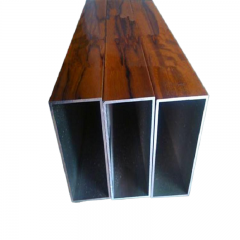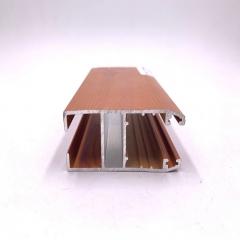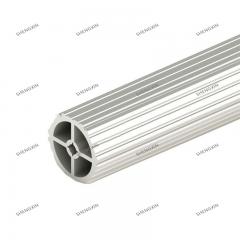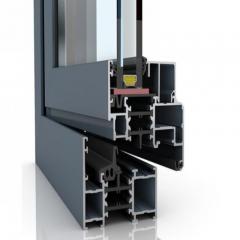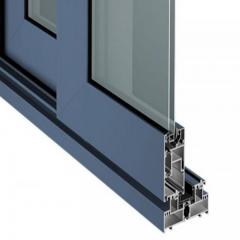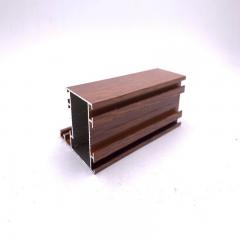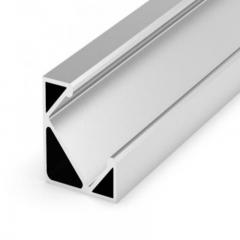
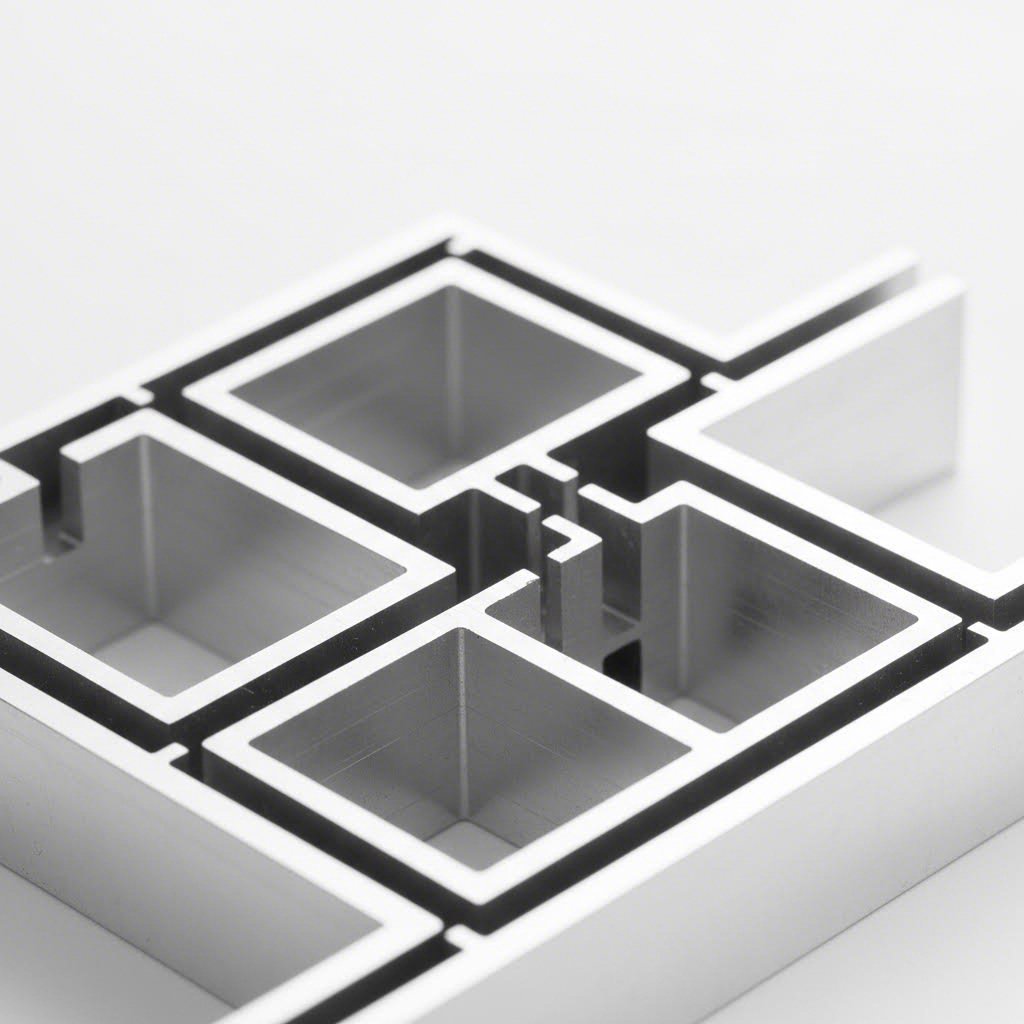
Ever wondered how those perfectly uniform aluminum square tubes get their precise shape? The answer lies in a fascinating manufacturing process that transforms raw aluminum into versatile building components. Understanding square aluminum extrusion starts with recognizing what makes it fundamentally different from other aluminum square tubing options on the market.
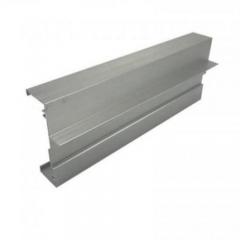
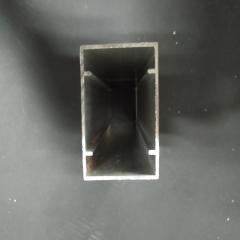
Square aluminum extrusion is a metal profile created by heating an aluminum billet and forcing it through a specially designed die to produce a consistent square cross-sectional shape. Unlike welded or seamless tubing, extruded aluminum profiles are formed in a single continuous process that ensures uniform wall thickness and structural integrity throughout the entire length.
Imagine squeezing toothpaste through a tube—that's essentially how aluminium extrusion works, just with heated metal and massive hydraulic pressure. The process begins with an aluminum billet, which is a cylindrical log of raw aluminum alloy. According to Eagle Aluminum, this billet gets pre-heated to temperatures between 400-500°C, making it soft and malleable without melting it completely.
Once heated, the softened billet transfers to a press container where a lubricant prevents sticking. Here's where the magic happens: enormous hydraulic pressure—sometimes exceeding thousands of tons—forces the aluminum through a custom-designed die. The aluminum emerges on the other side as a long, consistently shaped profile matching the die's opening exactly.
After extrusion, the newly formed aluminum extrusion tube travels along a run-out table for cooling. Workers then stretch it to improve mechanical properties and straighten any minor bends. Finally, the profile gets cut to specified lengths and may undergo heat treatment in age ovens to enhance hardness and strength.
The secret to creating perfect aluminum extrusion profiles lies entirely in the die design. Think of the die as a heavy-duty metal stencil with a square-shaped opening. When hot aluminum pushes through this opening, it takes on that exact square shape—whether you need a solid bar, a hollow tube, or something in between.
Dies can produce an almost limitless variety of shapes and sizes. For square aluminum tubing, manufacturers create dies with precise internal dimensions that determine both the outer profile and wall thickness. This customization capability makes extruded aluminum profiles incredibly versatile for applications ranging from aluminum extrusion rail systems to structural framing.
Not all aluminum square tube products are created equal. Understanding the key differences helps you choose the right material for your project:
For most structural and architectural applications, extruded aluminum rails and square profiles offer the best balance of performance, consistency, and value. The extrusion process allows for tighter tolerances, custom wall thicknesses, and the ability to integrate features like T-slots or mounting channels directly into the profile design—something welded tubing simply cannot achieve.
Now that you understand how square aluminum extrusion gets made, here's the next critical question: which aluminum alloy should you choose? This decision significantly impacts your project's performance, appearance, and longevity. The two most common alloys you'll encounter are 6061 and 6063—each optimized for different purposes.
Think of 6061 as the workhorse and 6063 as the showpiece. Both belong to the 6000 series aluminum family, meaning they're primarily alloyed with magnesium and silicon. However, their different compositions create distinct performance characteristics.
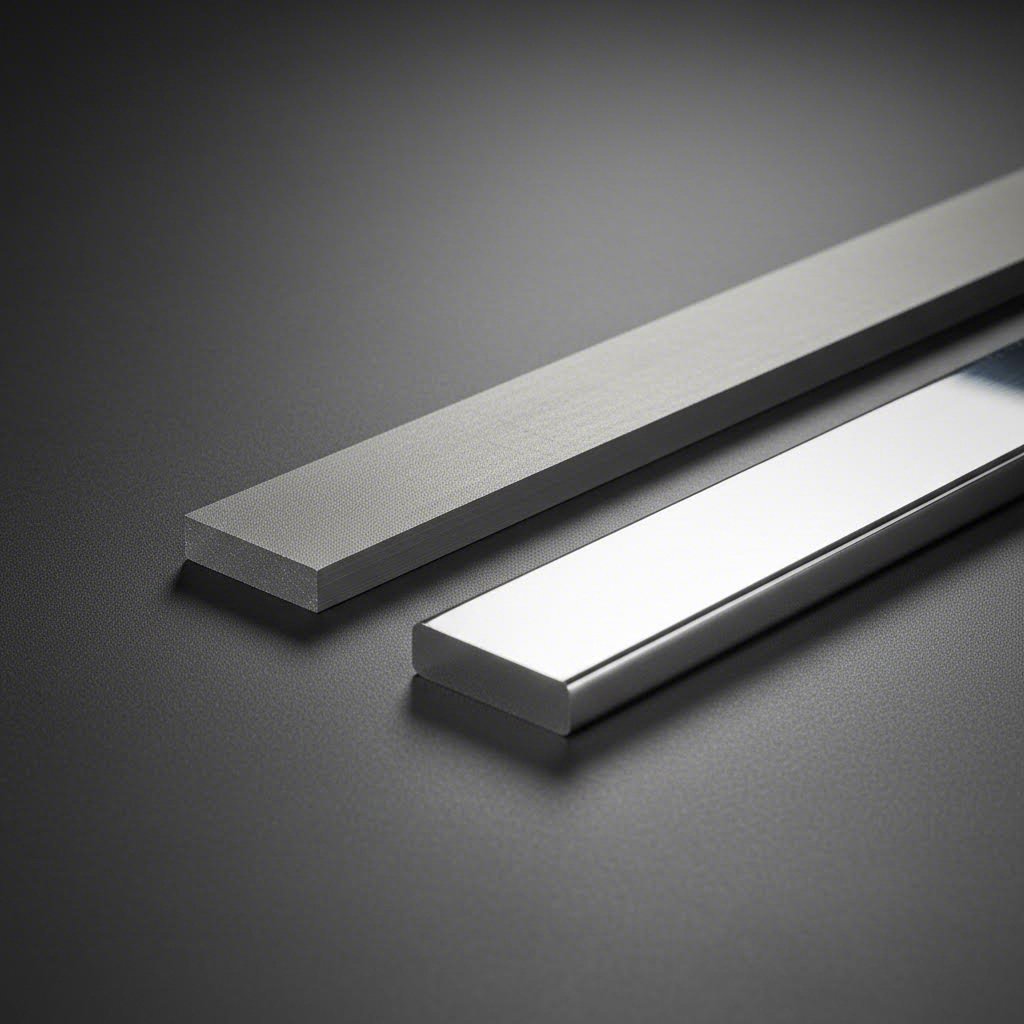
According to Gabrian, 6061 aluminum—often called "structural aluminum"—contains 0.8-1.2% magnesium and 0.4-0.8% silicon. This higher magnesium content delivers superior strength, making 6061 aluminum extrusion ideal for load-bearing applications. You'll find 6061 aluminum bar stock in aerospace components, truck frames, tower buildings, and heavy-duty machinery.
In contrast, 6063 aluminum—known as "architectural aluminum"—contains less of these alloying elements (0.45-0.9% magnesium and 0.2-0.6% silicon). This composition has been specifically optimized for extrudability, producing aluminium profiles with exceptional surface finish quality. When appearance matters, 6063 delivers.
Ever seen labels like "6061-T6" or "6063-T5" and wondered what they mean? The letter-number combination after the alloy indicates its temper condition—essentially, how the material was heat-treated to achieve specific properties.
Here's how it works: After extrusion, aluminum undergoes heat treatment to enhance its mechanical properties. According to Engineering Express, the T6 temper involves solution heat treatment at approximately 980°F, by water quenching and artificial aging at 325-400°F. This process allows alloying elements to form strengthening structures within the aluminum matrix.
The key temper designations you'll encounter include:
For practical purposes, a 6061 t6 aluminum bar delivers approximately 310 MPa tensile strength, while 6063-T6 reaches about 241 MPa. This strength difference matters when structural integrity is paramount.
Choosing between these alloys comes down to understanding your project's priorities. Ask yourself: Does this application demand maximum strength, or is surface aesthetics more important?
When you need a 6061 t6 flat bar or similar profile, you're prioritizing mechanical performance. The higher hardness (Brinell 95 vs 73 for 6063-T6) and superior tensile strength make 6061 the clear choice for machine frames, structural supports, and applications experiencing significant stress.
However, 6063 excels where 6061 falls short. Its superior extrudability means manufacturers can produce more complex aluminum profile shapes with tighter tolerances. The surface finish comes out smoother, accepting anodizing and powder coating beautifully. For railings, window frames, furniture, and decorative elements, 6063 aluminum profiles deliver the polished appearance your project deserves.
| Property | 6061-T6 | 6063-T6 |
|---|---|---|
| Tensile Strength | 310 MPa | 241 MPa |
| Yield Strength | 276 MPa | 214 MPa |
| Brinell Hardness | 95 | 73 |
| Elongation at Break | 12% | 15% |
| Thermal Conductivity | 170 W/m-K | 200 W/m-K |
| Formability | Good | Excellent |
| Weldability | Good | Very Good |
| Corrosion Resistance | Good | Excellent (with anodizing) |
| Surface Finish Quality | Good | Excellent |
| Typical Applications | Structural components, aerospace, machinery, trucks | Architectural profiles, railings, window frames, furniture |
| Relative Cost | Higher | Lower |
One more consideration: budget. Since 6063 is more commonly extruded, it typically costs less and has lower minimum order quantities. If either alloy meets your performance requirements, 6063 often makes more economic sense.
With your alloy selected, the next step involves understanding the dimensional options available—because size and wall thickness directly impact what your square extrusion can accomplish.
You've selected your alloy—now comes an equally important decision: what size profile do you actually need? Aluminum square tubing comes in a surprisingly broad range of dimensions, from compact 15mm profiles perfect for lightweight frames to hefty 100mm sections built for serious structural loads. Understanding these aluminum extrusion sizes helps you match the right profile to your specific application without over-engineering or under-building.
When shopping for extruded aluminum sizes, you'll discover the market organizes profiles into several common categories. According to industry specifications, the most frequently stocked aluminum square tubing dimensions include:
For those working in imperial measurements, you'll find 1 inch square aluminum tubing and 2 inch aluminum square tube as the most common stocked sizes. The 1 aluminum square tubing option works well for furniture, handrails, and light structural work, while 2-inch profiles handle heavier loads and larger frame construction.
Here's where many buyers make costly mistakes: they focus solely on outer dimensions while ignoring wall thickness. Yet wall thickness directly determines your profile's load capacity, weight, and overall structural performance.
According to industry comparisons, wall thickness for 2020 aluminum extrusion dimensions typically ranges between 1.5mm and 3mm. This provides adequate strength for lightweight applications while keeping costs down. Larger profiles like 4040 and 8020 feature proportionally thicker walls to maintain structural integrity under greater loads.
How does wall thickness affect your project? Consider these relationships:
The strength-to-weight ratio becomes your guiding principle here. For applications where every gram matters—like robotics or portable equipment—optimize for thinner walls that still meet load requirements. For stationary machinery or permanent structures, thicker walls provide peace of mind without weight penalties.
Depending on where you're located or sourcing materials, you'll encounter either metric or imperial sizing systems—sometimes both. This can create confusion, especially when mixing components from different suppliers.
Metric sizing dominates in Europe, Asia, and most international markets. You'll see dimensions expressed as 20x20mm, 40x40mm, or 80x80mm. These align with standard T-slot modular framing systems and accessories.
Imperial sizing remains common in North America. Standard offerings include 3/4", 1", 1-1/2", and 2" square tubes. While close to metric equivalents, they're not perfectly interchangeable—a 1" tube (25.4mm) won't perfectly match 25mm accessories.
For precision applications, understanding tolerance specifications becomes essential. According to industry standards published by ANSI H35.2, standard dimensional tolerances vary based on the profile's circumscribing circle diameter and the specific alloy. General rules of thumb include:
When tighter tolerances are required, discuss specifications with your extruder before ordering. Achieving non-standard tolerances often requires modified dies, slower extrusion rates, and increased inspection—all of which add cost. However, experienced manufacturers can suggest design modifications that help achieve your fit and functional requirements without excessive expense.
With dimensions and tolerances understood, your next consideration involves choosing between T-slot modular systems and standard square tube profiles—a decision that fundamentally shapes how you'll build and assemble your project.
Now that you understand sizing and specifications, here's a fork in the road that fundamentally changes how you'll approach your build: should you choose T-slot modular extrusions or standard square tube profiles? This decision affects everything from assembly methods to long-term flexibility. Let's break down both options so you can make the right call for your specific project.
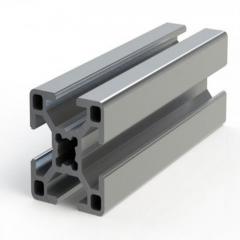
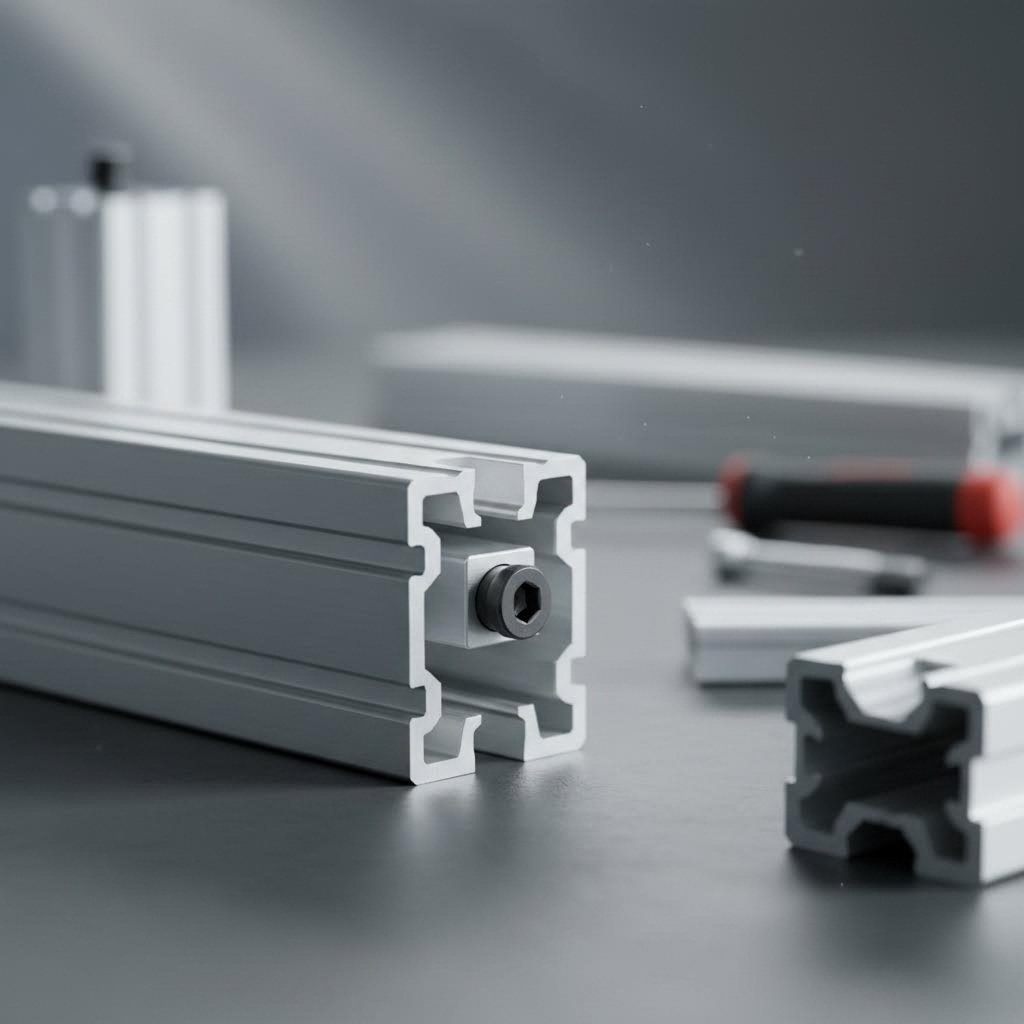
Ever seen those industrial workstations or 3D printer frames that bolt together like adult LEGO sets? That's the magic of T-slot extrusions—sometimes called 80/20 style framing after one of the pioneering brands. These profiles feature channels running along each face that accept specially designed hardware, enabling tool-free assembly and infinite reconfiguration possibilities.
The concept is brilliantly simple: slide a T-nut or v slotted aluminum insert into the channel, position your bracket or connector, and tighten. No welding. No drilling. No permanent modifications. When your needs change—and they will—simply loosen, reposition, and retighten.
The 80 20 aluminum extrusions naming convention refers to profile dimensions in millimeters. A 4040 aluminum extrusion measures 40mm x 40mm, while 3030 extrusion profiles measure 30mm x 30mm. The popular 4080 extrusion provides a rectangular option (40mm x 80mm) when you need extra rigidity in one direction. These standardized sizes mean components from different manufacturers often work together—though always verify compatibility before mixing brands.
What makes T-slot systems particularly valuable:
The 4040 aluminium extrusion size has become particularly popular for CNC machine frames, workbenches, and equipment enclosures—striking an ideal balance between strength, weight, and cost. For lighter applications, 80x20 and 3030 extrusion profiles handle the job while saving material and expense.
While T-slot systems dominate the modular framing world, standard square tube extrusions remain the preferred choice for many applications. These profiles feature smooth, uninterrupted faces without channels—delivering a cleaner aesthetic and simpler fabrication for permanent structures.
Imagine a sleek aluminum handrail, a minimalist furniture frame, or a welded equipment enclosure. The clean lines of standard square tubing create visual appeal that T-slot profiles simply can't match. Those functional channels that make T-slots so versatile also create busy-looking surfaces that don't suit every design aesthetic.
Standard square tube profiles excel in scenarios where:
Architectural applications particularly favor standard square tubing. Window frames, door systems, railings, and structural supports benefit from the clean appearance while still leveraging aluminum's corrosion resistance and lightweight properties.
So which profile type should you choose? The answer depends on how you prioritize flexibility versus permanence, and function versus form.
Choose T-slot extrusions when your project involves:
Choose standard square tube profiles when your project requires:
| Consideration | T-Slot Extrusions | Standard Square Tube |
|---|---|---|
| Assembly Method | Mechanical fasteners, tool-free with T-nuts | Welding, drilling, or external brackets |
| Reconfigurability | Excellent—disassemble and rebuild easily | Limited—permanent joints resist modification |
| Aesthetic Appearance | Industrial, functional look with visible channels | Clean, smooth surfaces with refined appearance |
| Initial Cost | Higher profile cost, lower assembly labor | Lower profile cost, higher fabrication labor |
| Hardware Ecosystem | Extensive—brackets, hinges, panels, connectors | Limited—requires custom fabrication or generic hardware |
| Ideal Use Cases | Machine frames, workstations, prototyping, enclosures | Architectural elements, furniture, welded assemblies |
Many experienced builders actually combine both approaches. They use 4040 extrusion or similar T-slot profiles for the main structural framework, then add standard square tube elements where clean aesthetics matter—like exterior panels or customer-facing surfaces. This hybrid approach delivers the best of both worlds: modular flexibility where you need it, refined appearance where you want it.
Once you've settled on your profile type, the next consideration involves how the finished surface will look and perform—which brings us to the critical topic of finishes and treatments.
You've selected your alloy, nailed down your dimensions, and chosen between T-slot or standard profiles. Now comes a decision that dramatically affects both appearance and longevity: what finish should protect your square aluminum extrusion? The right surface treatment transforms raw metal into a durable, attractive component—while the wrong choice can lead to premature degradation or disappointing aesthetics.
According to Salesmade, planning your finish from the start actually informs alloy selection and preparation processes. So while this section appears after alloy discussion, smart builders consider both decisions together.
When corrosion resistance and a refined metallic appearance top your priority list, anodized aluminum extrusions deliver exceptional performance. But what exactly happens during anodizing?
According to SAF, anodizing is an electrochemical process that thickens aluminum's naturally occurring oxide layer. Unlike paint or powder coating that sits on top of the metal, this protective layer becomes integral to the aluminum itself—meaning it cannot chip, peel, or flake off.
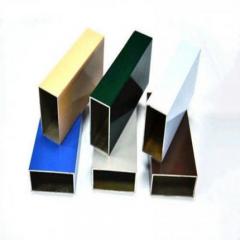
The aluminium extruded profile emerges with a hard, durable surface that resists wear and weathering. Clear anodizing preserves aluminum's natural silver appearance while adding protection. Colored anodizing introduces bronze, black, or other tones through dyes absorbed into the porous oxide layer before sealing.
Key benefits of anodized finishes include:
One critical specification: coating thickness matters enormously. According to industry standards, Class I anodizing (0.7 mils) lasts approximately twice as long as Class II (0.4 mils) in exterior applications. Cheap anodized sheets with 0.10 mil thickness—while fine for interior use—won't survive more than a few years outdoors.
Want black aluminum extrusion with a uniform matte finish? Or perhaps a bright safety yellow for equipment guards? Powder coating opens up virtually unlimited color possibilities while delivering outstanding durability.
Think of powder coating as paint without the solvent. Pigment encapsulated in powdered resin gets electrostatically applied to the aluminum extrusion profile, then cured in an oven where it melts and fuses into a continuous protective film. The result? A thick, even coating with excellent adhesion and no VOC emissions during application.
Black square aluminum tubing remains one of the most popular powder-coated options, offering a sleek appearance that hides fingerprints and minor scratches. The black aluminum square tube aesthetic works beautifully for furniture, display fixtures, and equipment frames where clean lines matter.
What makes powder coating particularly attractive:
For exterior applications demanding maximum durability, PVDF-based powder coatings meeting AAMA 2605 specifications provide the gold standard. According to SAF, these coatings must pass actual ten-year Florida exposure testing—real-world proof of weather resistance.
Your environment dictates which finish makes sense. Indoor applications offer more flexibility, while outdoor installations demand careful consideration of UV exposure, moisture, and pollutants.
For indoor applications:
For outdoor applications:
Coastal and industrial environments present additional challenges. Salt spray and acidic pollutants accelerate coating degradation—making finish selection even more critical. In these harsh conditions, specify thicker coatings and consider combining treatments (anodizing by powder coating) for maximum protection.
Maintenance requirements also vary by finish. Mill finish aluminum may develop an uneven patina over time. Anodized surfaces need periodic cleaning but can be renewed. Powder coatings require minimal maintenance but cannot be spot-repaired without visible color variation.
With your finish selected, you're ready to start working with your square aluminum extrusion—which means understanding the best practices for cutting, drilling, welding, and bending these versatile profiles.
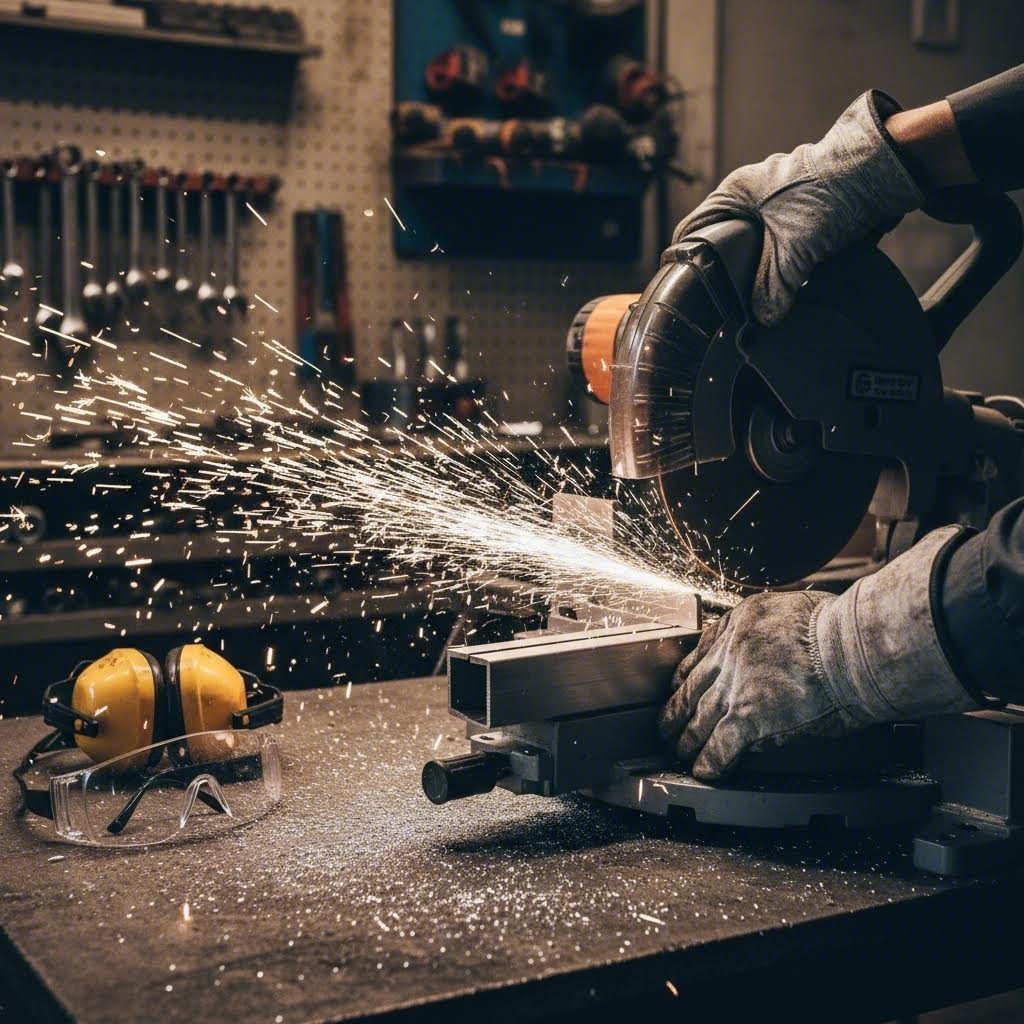
You've got your profiles, selected your finish, and mapped out your design. Now comes the hands-on work—transforming raw aluminum tube square stock into finished components. Whether you're a weekend hobbyist building an extruded aluminum frame or a professional fabricator producing structural aluminum tubing assemblies, understanding proper techniques prevents costly mistakes and produces professional results.
The good news? Aluminum machines beautifully compared to steel. The challenge? It behaves differently in ways that catch newcomers off guard. Let's walk through the essential fabrication methods you'll need to master.
Clean cuts start with the right blade. Unlike steel, aluminum requires specific tooth geometry to prevent gumming, grabbing, and rough edges. Here's what works:
For power saws, choose carbide-tipped blades designed specifically for non-ferrous metals. These feature more teeth (typically 80-100 for a 10-inch blade), negative rake angles, and special coatings that reduce aluminum adhesion. A standard wood or steel blade will grab, vibrate, and produce dangerous kickback—never use them on aluminum square pipe.
Miter saws and chop saws work excellently for straight cuts on square tube aluminum profiles. For angled cuts on an aluminium tube frame, a quality miter saw with a non-ferrous blade delivers precision results. Band saws handle thicker sections and curved cuts, though they require slower feed rates to prevent blade loading.
Drilling aluminum requires similar attention to tooling and technique. Standard high-speed steel (HSS) bits work fine, but bits ground specifically for aluminum—with 130-135 degree point angles and polished flutes—produce cleaner holes with less grabbing. For production work, cobalt or carbide bits last significantly longer.
Speed matters when drilling. Run your drill press at higher RPMs than you'd use for steel—typically 2,000-3,000 RPM for smaller holes in thin-wall extrusions. Use steady, moderate pressure and peck-drill deeper holes to clear chips. Lubricant prevents built-up edge and extends tool life.
Welding aluminum intimidates many fabricators—and for good reason. It behaves completely differently from steel, requiring specific equipment, consumables, and techniques. However, with proper preparation and the right process, joining extruded aluminum bar and tubing produces strong, attractive welds.
According to Miller Welds, cleanliness is paramount when welding aluminum. The oxide layer that protects aluminum melts at 3,600°F—far higher than aluminum itself (1,220°F). If you don't remove this oxide, it prevents proper fusion and creates weak, porous welds. Always degrease first, then scrub with a dedicated stainless steel brush immediately before welding.
TIG welding (GTAW) remains the gold standard for aluminum tube frame fabrication requiring precision and appearance. It offers:
MIG welding (GMAW) works well for thicker sections and production environments. According to Miller's guide, aluminum thicknesses of 14 gauge (0.074 inch) and heavier suit MIG welding. Use 100% argon shielding gas at 20-30 CFH flow rate. A spool gun or push-pull system prevents the soft aluminum wire from bird-nesting in standard MIG gun liners.
Alloy choice directly affects weldability. The 6061 aluminum extrusion responds well to both TIG and MIG processes, though it requires more heat input than 6063. Match your filler metal to your application—ER4043 produces crack-resistant welds on 6063, while ER5356 delivers higher strength on 6061 structural applications.
One critical consideration: heat-treated tempers (T5, T6) lose significant strength in the heat-affected zone during welding. A 6061-T6 aluminum profile's yield strength can drop by 40% or more near the weld. For structural applications, consult engineering specifications or consider mechanical fastening alternatives.
Bending square aluminum tubing challenges even experienced fabricators. The material wants to kink, buckle, or crack—especially on tight radii. Success requires understanding aluminum's unique behavior and respecting its limitations.
According to The Fabricator, material variations within tolerance ranges cause unpredictable bending behavior. Two pieces from different batches may bend differently despite identical specifications—yield strength can vary by 13% or more while still meeting material standards.
Minimum bend radius depends primarily on wall thickness and alloy temper:
For an aluminum tube frame requiring tight bends, consider specifying T5 temper profiles instead of T6. The strength difference may be acceptable for your application, and formability improves dramatically.
Heat helps—but requires care. Unlike steel, aluminum doesn't change color as it heats, making temperature judgment difficult. According to The Fabricator, coating the bend area with carbon soot (from a detuned acetylene torch) provides a visual indicator—the soot burns off at 752°F, well below aluminum's 1,220°F melting point. This temperature makes aluminum malleable enough for bending without risking temper changes or blowthrough.
For production bending, mandrel tube benders prevent the collapse and wrinkling that plague unsupported bends. Sand-filling offers a DIY alternative—pack the tube tightly with dry sand, cap both ends, and bend slowly. The sand supports the tube walls internally, distributing stress and preventing kinks.
With fabrication fundamentals covered, you're ready to explore the wide range of applications where square aluminum extrusion delivers outstanding results—from industrial machinery to weekend maker projects.
Now that you've mastered the fundamentals of fabrication, where does square aluminum extrusion actually get used? The answer: practically everywhere. From factory floors to living rooms, these versatile profiles solve structural challenges across an impressive range of industries. Understanding real-world applications helps you visualize possibilities for your own projects—and ensures you're selecting the right profile size and alloy for the job.
According to BRT Extrusions, aluminum extrusions have become indispensable across industries thanks to their durability, design flexibility, and excellent strength-to-weight ratio. Let's explore the most common applications by category.
Walk through any modern factory, and you'll spot extruded aluminum framing everywhere. The combination of strength, adjustability, and corrosion resistance makes these profiles ideal for demanding industrial environments.
For industrial applications, the 4040 profile size hits a sweet spot—strong enough for serious loads while remaining manageable for assembly. When browsing an aluminum extrusion profiles catalog, you'll find industrial sections dominate the offerings.
While industrial applications focus on function, architectural uses demand both performance and aesthetics. According to Wiley Metal, architecture and construction applications range from railings and balustrades to building facades and suspended ceilings.
Architectural applications typically favor 6063-T5 or T52 alloys for their excellent extrudability and surface finish quality. When that polished, anodized look matters, this alloy delivers.
Perhaps no community has embraced square aluminum extrusion more enthusiastically than hobbyists and makers. According to Hackaday, T-slot extrusions have become common thanks to their use in 3D printers—but builders now use them for everything from van conversions to picture frames.
For makers, the ability to prototype quickly—then disassemble and reconfigure—proves invaluable. A frame that starts as a 3D printer enclosure might become a workbench extension next year. That flexibility simply isn't possible with welded steel or wood construction.
The maker community has also pioneered 3D-printed accessories that extend aluminum framing capabilities. Custom brackets, sensor mounts, and specialized connectors can be designed and printed in hours rather than ordered and shipped over days.
What size works best for your project? Consider these guidelines:
With applications spanning from factory floors to home workshops, the versatility of square aluminum extrusion becomes clear. But how do you actually choose the right profile for your specific project? That's exactly what we'll tackle next—a systematic approach to selection that ensures your build succeeds.
You've explored alloys, sizes, finishes, and fabrication techniques. Now comes the moment of truth: pulling all that knowledge together to choose the perfect profile for your specific project. Whether you're building your first 3D printer frame or specifying aluminum square tubes for an industrial installation, a systematic selection approach prevents costly mistakes and ensures your build performs as intended.
According to Khetan Group's selection guide, understanding your project requirements before diving into specifications guides you toward the right type of profile that meets your demands. Let's walk through this decision-making process step by step.
Here's the question that should drive your entire selection process: what loads will your structure actually carry? Underestimate, and your frame fails. Overestimate, and you waste money on unnecessary material.
Start by identifying your load types. Static loads—like equipment sitting on a workbench—differ dramatically from dynamic loads created by moving machinery or human activity. According to Raptor Supplies, manufacturers publish comprehensive load charts for various extrusion sizes that help determine which profile handles your specific requirements.
Think about it this way: a 1 square aluminum tubing profile might support a lightweight display stand beautifully, but it would flex unacceptably under the vibration of a CNC router. Conversely, specifying massive 80mm profiles for a simple shelf system wastes both material and budget.
Consider these aluminum extrusion shapes and their typical load applications:
Wall thickness matters as much as outer dimensions. An aluminum square bar with thicker walls handles significantly more load than a thin-wall tube of identical external size. When loads approach the upper limits for a given profile size, consider stepping up to thicker walls before jumping to the next larger profile.
Where will your aluminum square stock spend its life? Environmental conditions dramatically influence both alloy selection and finish requirements.
Outdoor installations face UV exposure, moisture, temperature swings, and potentially salt spray or industrial pollutants. Indoor applications in climate-controlled spaces present minimal challenges—almost any finish works. But what about that equipment destined for a food processing plant with daily washdowns? Or the marine environment of a boat dock?
Match your environment to appropriate protection:
Aesthetics deserve equal attention—especially for customer-facing applications. Do you need the industrial look of T-slot profiles, or does your design demand clean aluminum square tubing with smooth surfaces? Should the aluminum blend invisibly into the surroundings, or make a bold visual statement with black anodizing or custom colors?
According to the Khetan Group guide, selecting a profile shape that aligns with your project's structural needs and design preferences ensures both functional performance and visual success.
Quality costs money—but overspending on unnecessary features wastes resources that could improve your project elsewhere. Smart specification balances performance requirements against budget realities.
Here's a systematic approach to optimize your selection:
One often-overlooked consideration: supplier relationships matter. According to the Raptor Supplies guide, established distributors offer technical support, faster shipping on stock items, and often better pricing on larger orders. The cheapest per-foot price from an unknown source may cost more when delays, quality issues, or lack of support enter the equation.
For DIY builders working with modest budgets, prioritize the structural elements that determine success or failure. Invest in quality aluminum square stock for your main frame, then economize on brackets, panels, and accessories where performance matters less.
With your selection criteria clearly defined, you're ready to source the actual material—which means finding suppliers who deliver quality profiles at fair prices with the services your project requires.
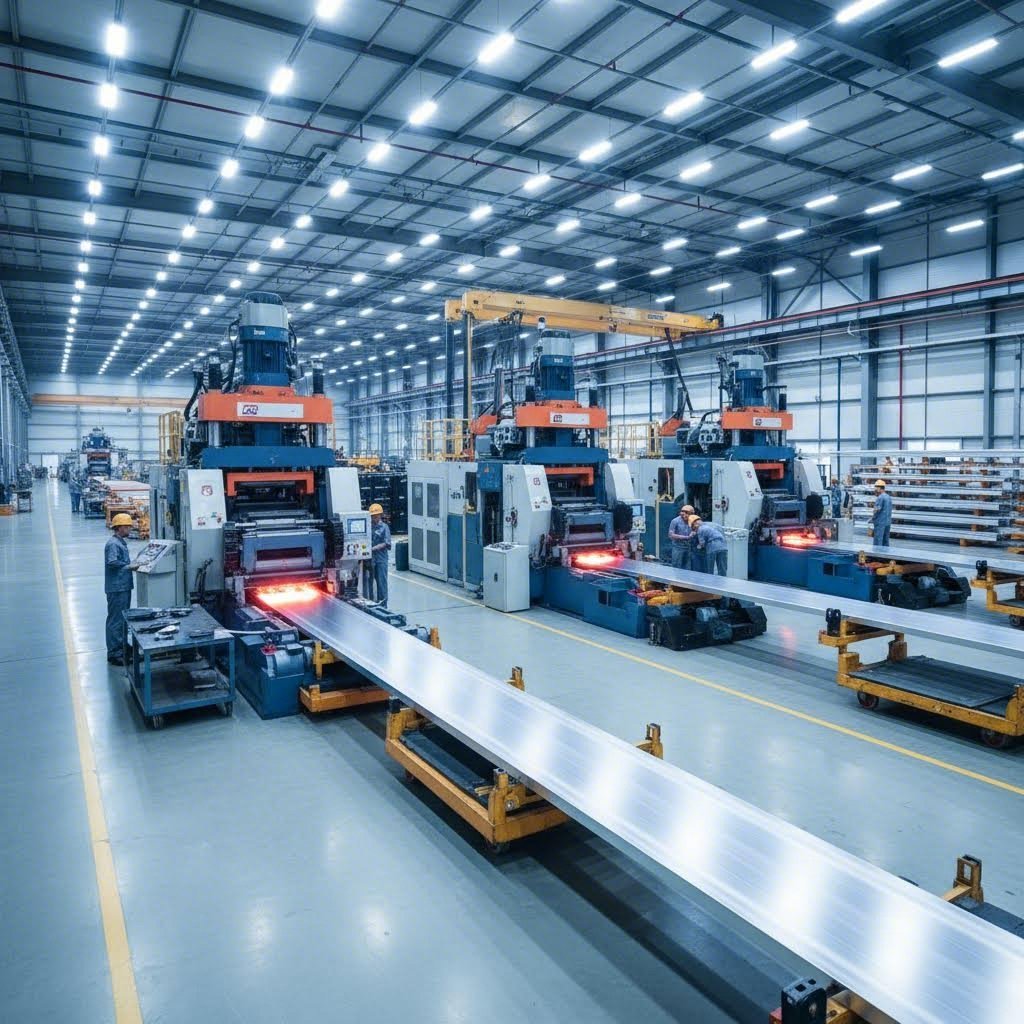
You've defined your specifications, calculated your load requirements, and selected the perfect alloy and finish. Now comes the practical question every builder faces: where do you actually buy quality square aluminum extrusion? The sourcing decision impacts everything from project timeline to final part quality—and the wrong supplier choice can derail even the most carefully planned build.
Finding reliable aluminum extrusion suppliers requires understanding your options and matching supplier capabilities to your specific project needs. Let's explore the landscape.
When standard profiles won't cut it—or when you need significant quantities with consistent quality—working directly with extruded aluminum manufacturers offers substantial advantages. These companies handle the entire aluminum profile extrusion process in-house, from die development through finished product delivery.
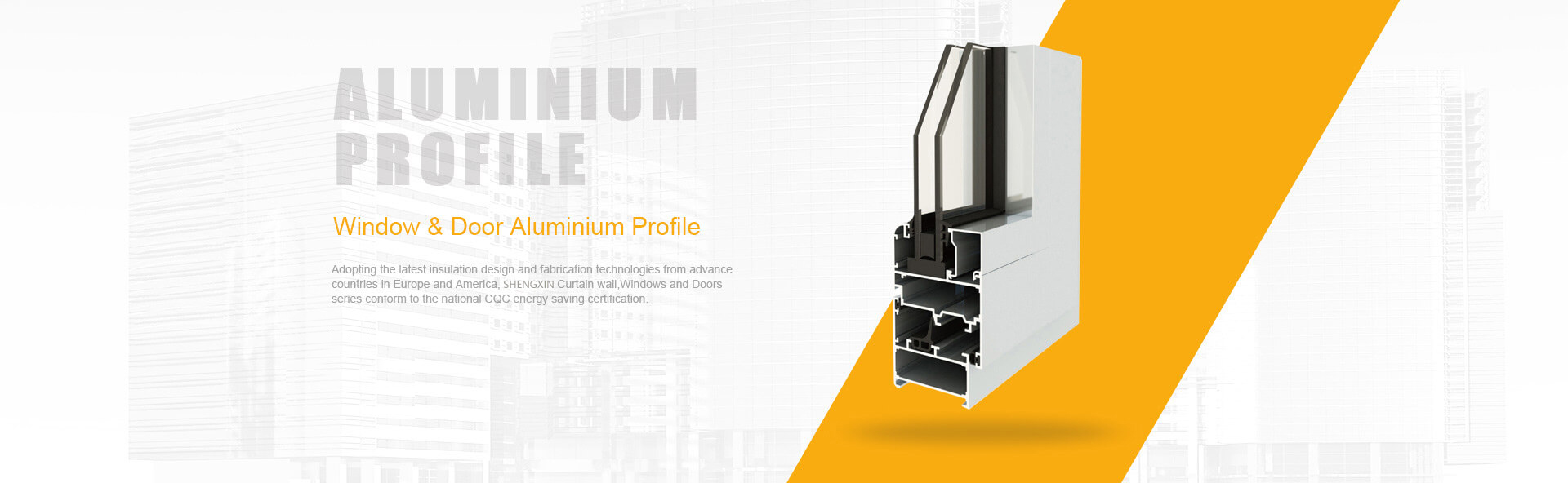
What makes direct manufacturer relationships valuable? Consider the end-to-end capabilities that established producers bring to the table. Companies like Shengxin Aluminium, with over 30 years of experience in aluminum extrusion, operate extensive facilities—in their case, 35 extrusion presses ranging from 600T to 5500T capacity. This scale enables everything from small prototype runs to high-volume production while maintaining consistent quality.
Beyond basic extrusion, established manufacturers provide critical deep processing services that transform raw profiles into ready-to-install components:
According to industry guidance, manufacturers with in-house capabilities can reduce lead times by more than half compared to those outsourcing secondary operations. When your aluminum extrusion supply needs include machining, finishing, and assembly—getting everything from one source streamlines logistics dramatically.
Not all aluminum extrusion suppliers deliver equal value. Whether you're sourcing extruded aluminum for sale locally or evaluating overseas manufacturers, certain criteria separate reliable partners from risky vendors.
Use these evaluation factors when comparing where to buy aluminum extrusion:
| Supplier Type | Best For | Typical Lead Time | Considerations |
|---|---|---|---|
| Direct Manufacturers | Custom profiles, large volumes, complete processing | 6-14 weeks | Minimum order quantities; best unit pricing at scale |
| Metal Service Centers | Standard profiles, cut-to-length, quick delivery | 1-2 weeks | Limited customization; higher per-foot pricing |
| Online Distributors | Small quantities, hobbyist projects, convenience | 3-7 days | Premium pricing; limited technical support |
| Retail Suppliers | Immediate needs, common sizes only | Same day | Very limited selection; highest pricing |
For serious projects—whether you're building production equipment or specifying architectural components—factory-direct relationships typically deliver the best value. But how do you access manufacturer pricing when you're not ordering container loads?
Start by understanding what drives aluminum extrusion costs. According to industry analysis, several factors affect your final price:
When approaching where to buy extruded aluminum directly from manufacturers, prepare your specifications clearly. Provide detailed drawings with dimensions, tolerances, alloy requirements, and finish specifications. Indicate your expected annual volume—even if your first order is smaller, manufacturers price more competitively when they see long-term potential.
Request itemized quotes that separate tooling, material, processing, and finishing costs. This transparency helps you understand where your money goes and identify optimization opportunities. Some manufacturers offer tooling ownership arrangements where die costs are credited against future orders.
Watch for hidden costs that surprise buyers unfamiliar with aluminum extrusion supply chains. Packaging, shipping, import duties (for overseas suppliers), and minimum order quantities can significantly affect total landed cost. A lower per-foot price from a distant supplier may cost more than a local source when logistics enter the equation.
For projects requiring custom aluminum profiles with integrated processing—cutting, machining, and surface treatment bundled together—manufacturers offering comprehensive services like those at Shengxin Aluminium's processing center often deliver better value than coordinating multiple vendors. One source means one point of accountability, simplified logistics, and typically faster turnaround.
Building strong supplier relationships pays dividends over time. According to industry experts, long-term partnerships with trusted manufacturers lead to better pricing, priority scheduling during busy periods, and access to technical expertise that improves your designs. That first successful project opens doors to increasingly favorable terms as both parties invest in the relationship.
Whether you're sourcing a few feet of standard square tubing or specifying custom profiles for a major installation, understanding your sourcing options—and what to expect from each—positions you for project success. The right supplier doesn't just deliver aluminum; they become a partner in bringing your designs to life.
Square aluminum extrusion ranges from small 15mm-25mm profiles ideal for 3D printers and lightweight frames, to medium 30mm-50mm sizes for workbenches and fixtures, up to large 60mm-100mm sections for heavy machinery and structural applications. In imperial measurements, common options include 1-inch and 2-inch square tubing. Wall thickness varies from 1.5mm to 3mm or more, directly affecting load capacity and structural performance.
6061 aluminum offers higher strength (310 MPa tensile strength) and hardness, making it ideal for structural and load-bearing applications like machine frames and aerospace components. 6063 aluminum provides superior surface finish quality and better extrudability, making it the preferred choice for architectural applications such as window frames, railings, and decorative elements where appearance matters most.
T-slot aluminum extrusion features channels along each face that accept specialized hardware for tool-free assembly and reconfiguration. Common uses include CNC machine frames, 3D printer enclosures, industrial workstations, equipment guards, and modular display systems. The ability to easily disassemble and reconfigure makes T-slot ideal for prototyping and applications requiring future modifications.
Pricing varies based on alloy type, profile size, wall thickness, surface finish, and order quantity. Custom dies range from $500-$5,000 depending on complexity. Anodizing and powder coating add approximately $1,200-$1,400 per metric ton. Factory-direct pricing typically offers the best value for larger orders, while metal service centers and online distributors charge premiums for smaller quantities with faster delivery.
Yes, square aluminum extrusion can be welded using TIG or MIG processes. TIG welding offers superior control for thin-wall profiles and aesthetic applications, while MIG works well for thicker sections. Proper preparation is critical—remove the oxide layer immediately before welding using a dedicated stainless steel brush. Note that heat-treated tempers like T6 lose significant strength in the heat-affected zone, potentially reducing yield strength by 40% near welds.



 serviço on-line
 0086 136 3563 2360
 sales@sxalu.com
 +86 136 3563 2360
 português
 English
 français
 Deutsch
 русский
 español
 العربية
 ไทย
 Việt
 Українська