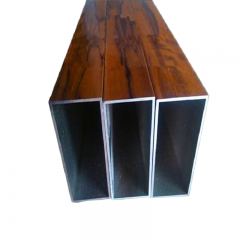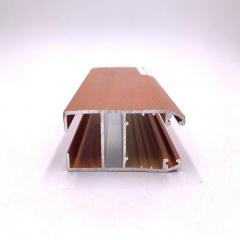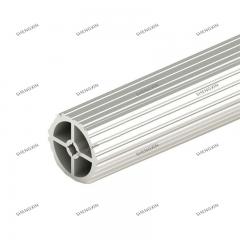
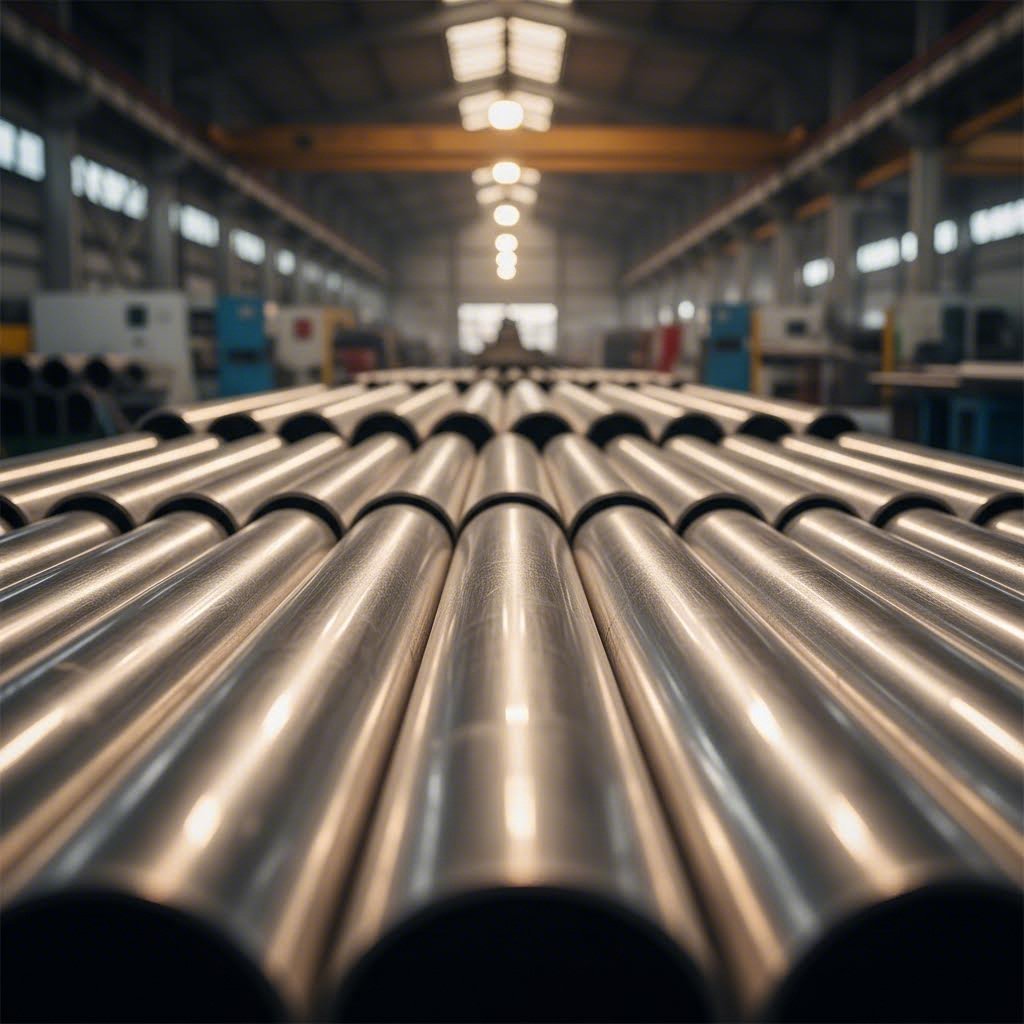
When you're searching for lightweight yet high-strength materials for your next project, round aluminum extrusion consistently emerges as a top contender. But what exactly is it, and how does it differ from other aluminum products you might encounter? Let's break down everything you need to know about this versatile manufacturing process.
Round aluminum extrusion is a manufacturing process where heated aluminum billets are forced through circular dies under extreme pressure to create seamless tubular or solid cylindrical profiles with consistent cross-sections and superior structural integrity.
Unlike cast or machined aluminum components, extruded aluminum offers exceptional uniformity throughout its entire length. This consistency makes aluminum extrusion tube products ideal for applications demanding precise tolerances and reliable performance.
Imagine squeezing toothpaste through a tube—that's essentially what happens during the extrusion process, just with significantly more force and heat involved. Here's how manufacturers transform raw aluminum into finished round profiles:
For hollow round tubes, manufacturers use what's called a hollow die system, which includes a mandrel, die cap, and bolster working together to create the internal void. This aluminum excursion through specialized tooling produces seamless tubular shapes impossible to achieve through other manufacturing methods.
Here's where things get confusing for many buyers. When browsing industrial suppliers, you'll encounter terms like "quarter-round" and "half-round" alongside true round extrusions. Understanding the difference prevents costly ordering mistakes.
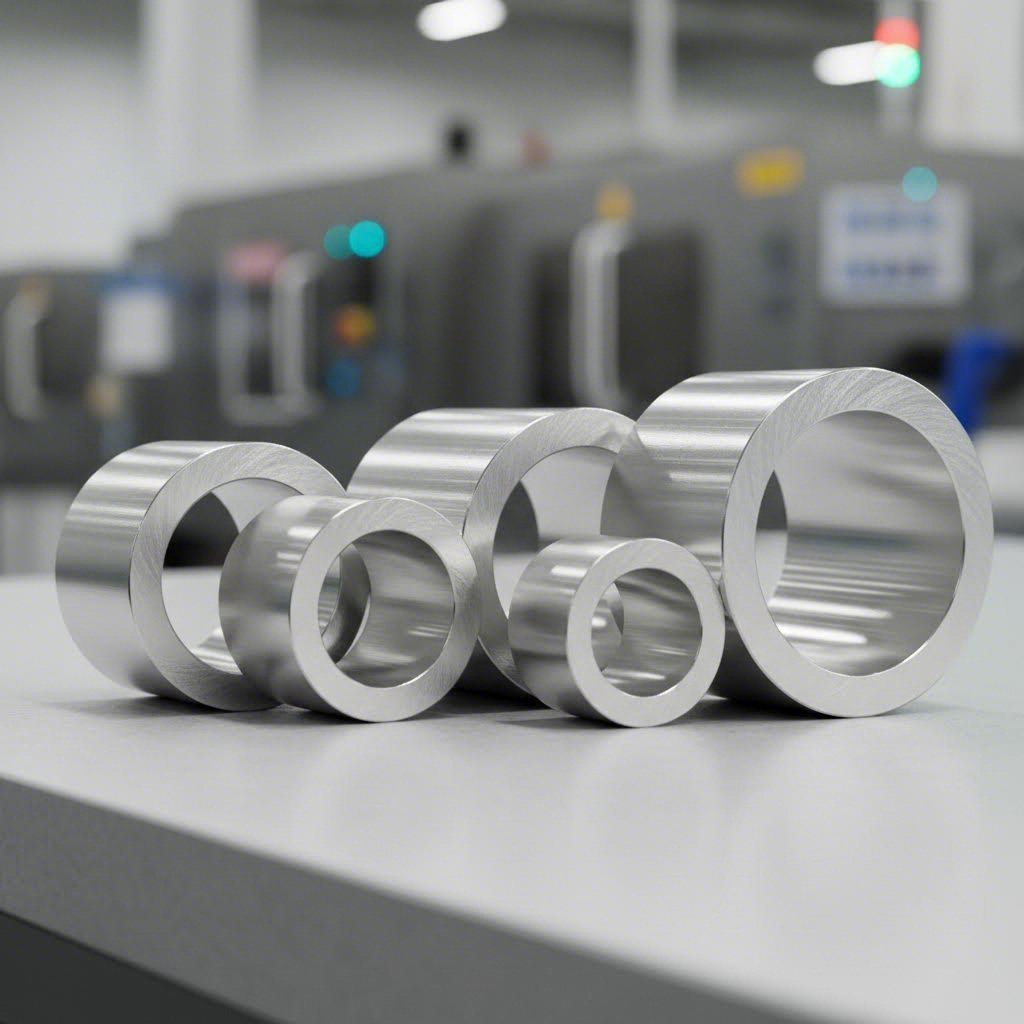
True round extrusions feature a complete 360° circular cross-section. These include:
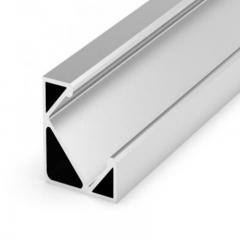
Aluminum quarter round profiles, by contrast, have a 90° arc-shaped cross-section—essentially one-quarter of a circle. These decorative profiles serve entirely different purposes, typically functioning as corner protectors, trim edges, or transition pieces in architectural applications.
Similarly, half-round profiles feature a 180° arc, often called D-shaped tubes when hollow. During your aluminum excursion into sourcing the right profile, remember that these partial-round shapes won't substitute for true round extrusions in structural applications requiring uniform load distribution.
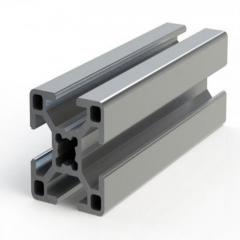
T-slot systems from manufacturers sometimes incorporate round elements, but these shouldn't be confused with standalone extruded aluminum tube products. T-slot profiles serve modular framing purposes, while round extrusions excel in applications requiring rotation, rolling contact, or seamless aesthetic appeal.
Now that you understand how round profiles are manufactured, the next question becomes: which alloy should you choose? Sounds complex? It doesn't have to be. The aluminum alloy you select directly impacts your project's strength, appearance, and machinability. Let's decode the technical specifications that separate good choices from great ones.
When sourcing extruded aluminum tube products, you'll encounter alloy designations like 6063-T5 or 6061-T6. These numbers aren't arbitrary—they tell you exactly what you're getting. The 6000 series aluminum alloys, primarily alloyed with magnesium and silicon, dominate the round extrusion market for good reason.
6063 Aluminum earns the nickname "architectural aluminum" because it delivers an exceptional surface finish perfect for visible applications. When you need extruded aluminum tubing for handrails, furniture frames, or decorative fixtures, 6063 is typically your best bet. Its higher purity and lower additional metal content create smoother surfaces ideal for anodizing and powder coating.
6061-T6 Aluminum steps up when structural integrity matters most. With tensile strength reaching 45,000 psi compared to 6063-T6's 35,000 psi, this alloy handles demanding load-bearing applications. You'll find it in automotive components, marine hardware, and industrial machinery where strength cannot be compromised.
| Grade | Strength Level | Best Applications | Formability |
|---|---|---|---|
| 6063-T5 | Medium (25,000 psi tensile) | Architectural trim, window frames, display fixtures | Excellent |
| 6063-T6 | Medium-High (35,000 psi tensile) | Handrails, pipe systems, furniture tubing | Very Good |
| 6061-T4 | Medium (35,000 psi tensile) | Components requiring post-forming, moderate strength needs | Good |
| 6061-T6 | High (45,000 psi tensile) | Structural frames, marine hardware, aerospace components | Moderate |
The "T" designation indicates temper—how the aluminum was heat-treated. T6 tempers undergo artificial aging, making them significantly stronger than naturally aged T4 versions. For round aluminum tube applications requiring maximum strength, always specify T6 temper.
When you're specifying extruded aluminum tubing, understanding standard sizes helps streamline sourcing and reduce costs. Common outside diameter (OD) ranges span from compact 20mm (approximately 0.79 inch) profiles up to industrial-scale tubes exceeding 150mm (6 inches).
Here's how typical sizes translate across measurement systems:
But what tolerances should you expect? Quality manufacturers adhere to industry standards that vary based on profile size and production method. For extruded round tubes, typical OD tolerances include:
Wall thickness tolerances also matter for structural calculations. Expect variations of ±0.007" to ±0.020" depending on wall thickness and tube diameter. For 20mm x 20mm aluminum extrusion profiles or similar small-diameter tubing, tighter tolerances are achievable but may require drawn tube processes rather than standard extrusion.
Straightness is another critical factor. Industry standards allow approximately 0.010" deviation per foot of measured length for extruded round tubes between 0.5 and 6 inches OD. Applications requiring tighter straightness may need secondary straightening operations or drawn tubing alternatives.
Understanding these specifications helps you communicate effectively with suppliers and ensures your extruded aluminum tube meets project requirements without over-specifying—which drives up costs unnecessarily.
You've got the specifications down and understand which alloys work best. But here's the question that trips up even experienced engineers: when should you choose a round aluminum tube over a T-slot system, standard pipe, or drawn tubing? Each option serves distinct purposes, and picking the wrong one can mean overspending or underperforming. Let's compare your options objectively.
T-slot aluminum profiles have dominated modular framing for decades—and for good reason. Their perpendicular fastening system allows quick assembly and reconfiguration without welding. But they're not always the right choice.
Round extruded tube profiles excel where T-slots struggle:
However, T-slot systems win decisively in modular construction scenarios. According to industry comparisons, their extensive bracket libraries and cross-compatibility between manufacturers like 80/20 and Bosch make them ideal for workstations, machine guards, and robotic enclosures requiring frequent reconfiguration.
The cost difference matters too. T-slot profiles typically run about 30% more expensive than comparable extruded tubing due to their complex cross-sections and specialized hardware. For static structures not requiring modular adjustment, round aluminum tube extrusion often delivers better value.
Choosing between round and square aluminum tubes comes down to understanding force distribution. Round profiles handle multi-directional and torsional forces better because stress distributes evenly across the circular cross-section. Square profiles excel at resisting compression and bending in specific planes.
Consider round extruded tubing when your application involves:
Square or rectangular profiles make more sense for load-bearing frameworks, furniture construction where flat mating surfaces simplify assembly, and applications requiring maximum rigidity in vertical/horizontal planes.
| Factor | Round Extrusion | T-Slot Extrusion | Standard Pipe | Drawn Tube |
|---|---|---|---|---|
| Structural Strength | Good—uniform stress distribution | Excellent—profiles up to 6105-T5 with 35,000 psi tensile | Moderate—varies by schedule | Very Good—work-hardened |
| Aesthetic Finish | Excellent—smooth, seamless appearance | Good—industrial look with visible slots | Fair—utility appearance | Excellent—superior surface quality |
| Joining Ease | Moderate—requires clamps, welding, or adhesives | Excellent—specialized brackets and fasteners | Good—threaded fittings available | Moderate—similar to extrusion |
| Cost | Low to Moderate | Higher (30%+ premium) | Low | Moderate to High |
| Dimensional Precision | Good—standard extrusion tolerances | Very Good—tight tolerances standard | Moderate—nominal sizing | Excellent—tightest tolerances |
| Best Use Cases | Handrails, rollers, furniture, displays | Machine frames, workstations, robotic enclosures | Plumbing, utility transport | Precision assemblies, telescoping |
One critical distinction often overlooked: drawn tubing undergoes cold working after extrusion, pulling it through dies to achieve tighter tolerances and improved surface finish. If your application demands precision beyond standard extrusion capabilities—think telescoping aluminum extrusion assemblies or high-tolerance mechanical fits—drawn tube may justify its premium cost.
Standard pipe, while economical, uses nominal sizing that differs from its actual dimensions. A 1-inch pipe doesn't measure 1 inch anywhere. For applications requiring true dimensional accuracy, extruded tube or drawn tubing eliminates this confusion.
Understanding these tradeoffs positions you to select the right profile type before diving into specific applications—which we'll explore next across industries where round profiles consistently outperform alternatives.
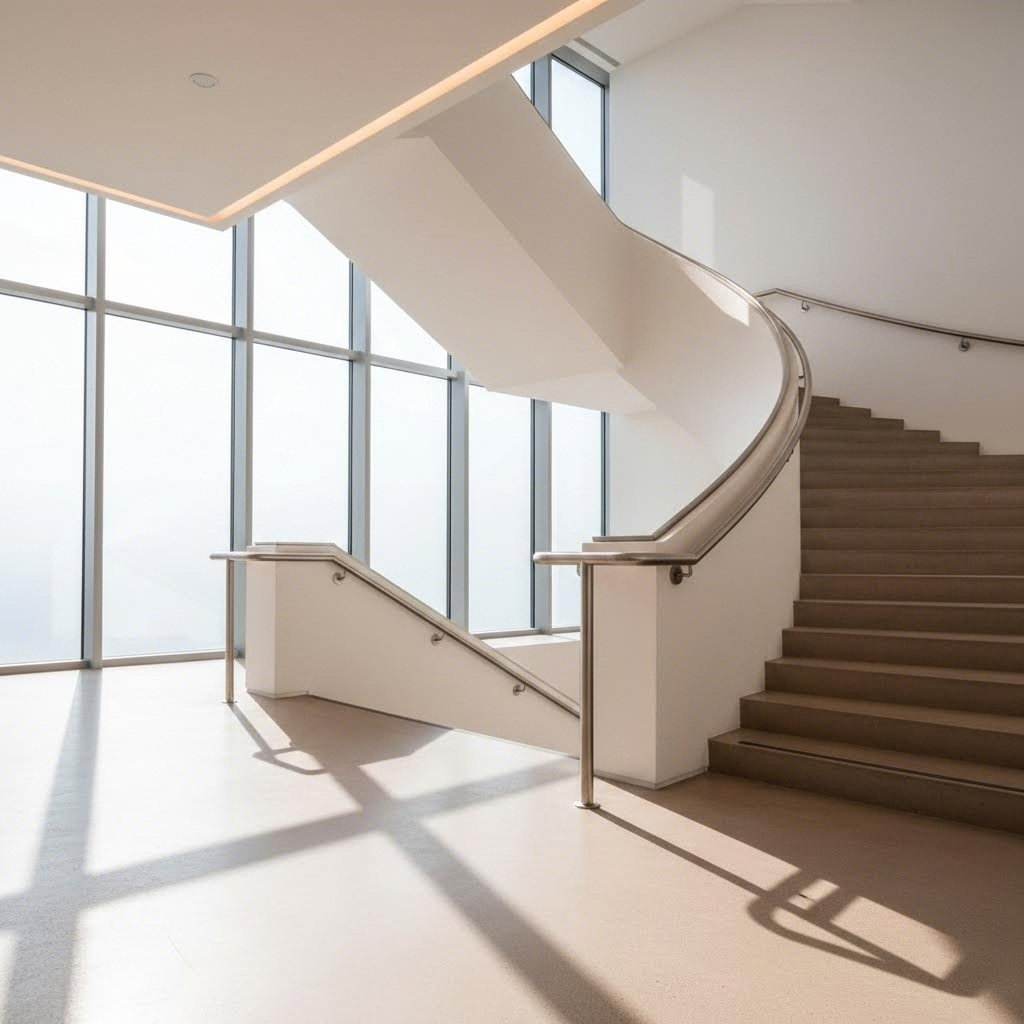
You've seen the specifications and understand how round extrusions compare to alternatives. Now comes the practical question: where do these profiles actually shine in real-world applications? From the handrail you grip climbing stairs to the conveyor rollers moving packages across a warehouse floor, extruded tubing aluminum serves purposes you encounter daily—often without realizing it.
Round aluminum profiles succeed across diverse industries precisely because their geometry solves problems other shapes cannot. The uniform cross-section distributes stress evenly, the smooth surface reduces friction and injury risks, and the seamless appearance satisfies both functional and aesthetic demands. Let's explore where these advantages translate into tangible value.
Walk through any modern building, and you'll likely touch aluminum tube round profiles before reaching your destination. Architecture embraces these profiles for their combination of safety, durability, and visual appeal.
Why do architects specify aluminum over steel or stainless steel for these applications? The answer involves both performance and economics. Aluminum naturally resists corrosion without additional coatings, weighs significantly less for easier handling during installation, and requires minimal maintenance over decades of service. Untreated aluminum easily withstands 20-30 years outdoors, while anodized or powder-coated profiles can exceed 50 years of reliable performance.
Step inside a factory or warehouse, and extruded aluminum tubes handle some of the most demanding mechanical tasks in modern manufacturing. Their combination of strength, low weight, and machinability makes them indispensable.
The 6061-T6 alloy dominates industrial applications where strength cannot be compromised. According to industry suppliers, this grade offers superb strength properties suitable for structural applications, excellent corrosion resistance even in harsh environments, and ease of machinability for custom fabrication.
Beyond industrial settings, round aluminum extrusion transforms everyday consumer products through its versatility and aesthetic appeal. These applications demonstrate why aluminum continues gaining market share from traditional materials.
Furniture and Retail Displays
Modern furniture design increasingly relies on aluminum profiles for their sleek, contemporary appearance. According to furniture profile specialists, extruded aluminum tubes serve as frames for tables, chairs, and beds, as well as components in cabinet systems, shelving units, and sliding partitions.
Automotive and Transportation
Weight reduction drives automotive innovation, and aluminum round tubes contribute significantly to lighter, more fuel-efficient vehicles.
Recreational Equipment
When products need to be light enough to carry yet strong enough to perform under stress, round aluminum profiles consistently deliver.
What unites these diverse applications? Each exploits specific advantages inherent to round aluminum geometry: uniform stress distribution for structural integrity, smooth surfaces for grip comfort and rolling contact, aerodynamic shapes for reduced wind resistance, and seamless aesthetics for premium visual appeal. Understanding which advantage matters most for your specific application guides you toward the optimal profile selection—and toward the joining methods that will connect those profiles effectively.
You've selected the perfect round aluminum extrusion for your application—but how do you actually connect it to other components? This is where round profiles present unique challenges compared to T-slot systems. While T-slot extrusions offer convenient perpendicular fastening channels, extruded aluminium tube profiles lack those built-in attachment points. Understanding your joining options helps you maintain structural integrity while achieving clean, professional results.
The good news? Multiple proven methods exist for connecting round profiles, each suited to different strength requirements, aesthetics, and budget constraints. Let's explore your options from simplest to most permanent.
Mechanical connectors offer the most straightforward approach to joining aluminum round tubes—no special equipment or permanent modifications required. These solutions work particularly well for assemblies requiring future disassembly or adjustment.
When using mechanical fasteners, prepare your extruded aluminum pipe properly for best results. Measure and mark cut lines carefully with a fine marker, then cut using a tubing cutter or miter saw with a non-ferrous blade. After cutting, remove burrs using a deburring tool or metal file—smooth edges ensure proper fit and prevent injury during assembly.
One important note: some connectors require hot melt adhesive to secure the tube profile in place. Always follow manufacturer instructions for your specific connector type.
When permanent connections and maximum strength matter, welding and adhesive bonding provide solutions mechanical fasteners cannot match. However, aluminum's unique properties require specific techniques to achieve reliable joints.
Welding Considerations by Alloy
Not all aluminum alloys weld equally. The 6061-T6 profiles common in structural applications can be welded, but the process affects their heat-treated properties. According to welding specialists, the heat-affected zone (HAZ) near welds experiences "softening" as strengthening phases dissolve or coarsen—local strength can drop to near-annealed levels.
Common welding methods for round aluminum profiles include:
Filler wire selection matters significantly. ER4043 offers excellent crack resistance and clean welds—ideal for visible seams. ER5356 provides higher strength and corrosion resistance, better suited for structural or marine applications. For projects requiring maximum post-weld strength, consider solution heat treatment and artificial aging after welding to restore T6 properties.
Adhesive Bonding
Two-part epoxies and structural metal adhesives create strong bonds without heat—eliminating HAZ concerns entirely. This approach works well for joining dissimilar materials or when welding equipment isn't available.
For successful adhesive bonds:
Adhesive joints hold well under static loads but perform less reliably under heavy dynamic stress or impact. Reserve this method for light to medium-duty applications where thermal cycling won't degrade the bond.
Telescoping aluminum extrusion assemblies—where smaller tubes slide inside larger ones—enable adjustable-length structures impossible with fixed connections. Fishing outriggers, photography tripods, adjustable poles, and collapsible booms all rely on this principle.
Creating effective telescoping joints requires attention to tube sizing and locking mechanisms:
According to telescoping tube specialists, purpose-built locking mechanisms work with tapered wall, versatile, and ultra-light tubing systems to create collapsible and extendable structures for fishing, photography, window washing, and specialized industrial applications.
Maintaining structural integrity at telescoping joints means ensuring adequate overlap between inner and outer tubes—typically at least 2-3 inches minimum engagement. Insufficient overlap concentrates stress at the junction, risking tube deformation or sudden collapse under load.
Whatever joining method you choose, remember that connection points typically represent the weakest links in any assembly. Proper surface preparation, appropriate fastener selection, and adequate joint overlap ensure your round aluminum profiles perform reliably throughout their service life. The next consideration? Surface treatments that protect those profiles and connections from environmental degradation while enhancing their visual appeal.
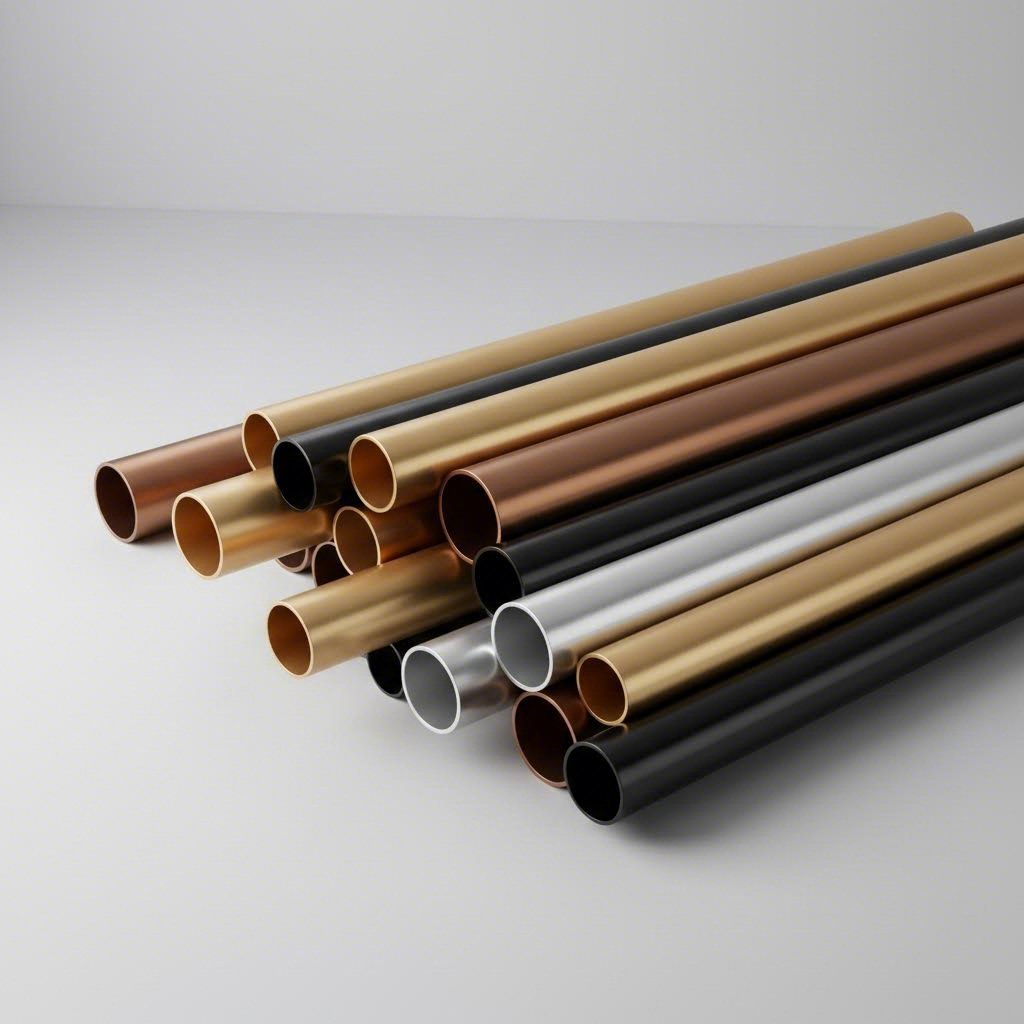
You've selected the right alloy, specified precise dimensions, and determined how to join your round profiles. But here's what separates a good installation from a great one: surface treatment. Raw extruded aluminum develops a thin natural oxide layer that provides basic protection, but demanding applications require more robust finishing. Whether you need vibrant colors for architectural visibility, extreme corrosion resistance for marine environments, or simply a professional appearance that lasts decades, the right surface treatment transforms ordinary aluminium extrusion tube into high-performance components.
Surface finishing isn't just cosmetic—it fundamentally changes how your profiles interact with their environment. The treatment you choose affects everything from UV stability and chemical resistance to grip texture and cleaning requirements. Let's explore the options that maximize both protection and appearance for round aluminum profiles.
Anodizing stands as the most popular finishing method for architectural and consumer-facing aluminum applications—and for good reason. Unlike paints or coatings that sit on top of the surface, anodizing creates an integral oxide layer bonded at the molecular level to the aluminum itself. This layer cannot peel, flake, or chip because it literally becomes part of the metal.
How does it work? The process immerses aluminum parts into an electrolytic bath while passing electric current through the solution. This controlled oxidation reaction forms a porous yet incredibly hard oxide layer on the surface. Manufacturers can adjust layer thickness depending on intended use—thinner coatings suit indoor environments, while thicker layers provide enhanced protection for exterior or high-wear applications.
The protective advantages extend beyond simple barrier protection:
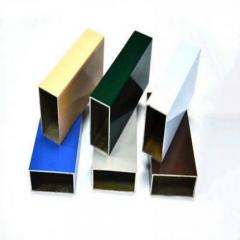
But anodizing's most appealing feature for many buyers? The color possibilities. After the oxide layer forms, its porous surface readily absorbs dyes, producing rich, uniform coloration. From classic metallic tones like champagne, bronze, and black to bold custom shades like rose gold, anodizing achieves fade-resistant color that organic coatings struggle to match. The sealing step locks in color permanently and enhances durability.
When specifying anodized finishes for 20mm aluminum extrusion or larger profiles, coating thickness matters enormously. Industry standards classify anodizing as Class I (0.7 mils minimum) or Class II (0.4 mils minimum). According to coating selection guides, Class I finishes last approximately twice as long as Class II in identical environments—the lifetime directly correlates to coating thickness.
One critical consideration: anodizing can reduce electrical conductivity. For round profiles destined for electrical applications, discuss this tradeoff with your manufacturer before specifying anodized finishes.
When anodizing alone cannot withstand your operating environment, organic coatings provide enhanced protection. These treatments create physical barriers between aluminum and aggressive elements—salt spray, industrial chemicals, extreme temperatures, and intense UV exposure.
Powder Coating
Powder coating applies dry, ionized powder particles to grounded aluminum parts using electrostatic spray guns. The charged particles adhere uniformly, then undergo oven baking at 160-200°C for 15-20 minutes. This melting and curing process creates permanent bonds between coating and substrate.
Key advantages for round extrusion profiles:
Interestingly, powder coating works synergistically with anodizing. Pre-anodized surfaces have porous structures that absorb melted powder during baking, creating exceptionally strong mechanical bonds.
PVDF Coatings
For the most demanding exterior applications—curtain walls, metal roofing, coastal installations—PVDF (polyvinylidene fluoride) coatings deliver unmatched weather resistance. Commonly sold under trade names like Kynar 500® and Hylar 5000®, these fluoropolymer coatings resist UV degradation far longer than standard paints or powder coatings.
PVDF formulations typically contain 70% PVDF resin blended with acrylics for optimal performance. According to industry specifications, properly applied PVDF coatings pass rigorous AAMA 2605 testing—including actual 10-year exposure trials in South Florida's harsh climate. This makes PVDF ideal for architectural applications requiring decades of reliable performance.
Additional benefits include:
Micro-Arc Oxidation
For specialized applications requiring extreme hardness and wear resistance, micro-arc oxidation (MAO)—also called plasma electrolytic oxidation—creates ceramic-like coatings directly on aluminum surfaces. This advanced process applies high voltage to generate micro-arc plasma discharges, transforming the aluminum surface into dense aluminum oxide (Al₂O₃) ceramic layers.
According to recent research reviews, MAO coatings on aluminum achieve hardness levels up to 2500 HV—dramatically exceeding standard anodizing. The technology forms dense, pore-free ceramic layers within minutes, significantly enhancing both corrosion and wear resistance at relatively low processing costs.
MAO excels in applications involving:
The ceramic coating's exceptional abrasion resistance and hardness make MAO particularly valuable for 3060 extrusion profiles and similar industrial components subjected to repeated mechanical stress.
Selecting surface treatments requires balancing performance requirements against cost and availability. Here's a quick comparison to guide your decision:
| Treatment | Best For | Key Advantage | Consideration |
|---|---|---|---|
| Clear Anodizing | Architectural, consumer products | Natural metallic appearance, integral protection | Limited to metallic tones without dyes |
| Color Anodizing | Decorative fixtures, retail displays | Vibrant, fade-resistant colors | Color options depend on manufacturer capabilities |
| Powder Coating | General industrial, furniture | Excellent color variety, cost-effective | Can chip under severe impact |
| PVDF Coating | Exterior architecture, coastal areas | Superior UV and chemical resistance | Higher cost than standard powder coating |
| Micro-Arc Oxidation | High-wear industrial applications | Extreme hardness and wear resistance | Specialized process, limited availability |
For projects requiring multiple treatment options or specialized finishes, working with manufacturers offering comprehensive finishing capabilities simplifies procurement significantly. Established manufacturers like Shengxin Aluminium provide end-to-end solutions encompassing anodizing in custom colors (including champagne and rose gold finishes), powder coating, PVDF application, and micro-arc oxidation—all under one roof. This integrated approach ensures consistent quality across all processing stages while eliminating coordination headaches between multiple vendors.
Whatever treatment you select, proper surface preparation remains critical. Aluminum must be thoroughly cleaned and degreased before any finishing process. Contaminants trapped beneath coatings cause adhesion failures and premature degradation. Quality manufacturers incorporate rigorous pretreatment protocols—including chemical cleaning, etching, and conversion coatings—to ensure lasting results.
With surface treatment options understood, the final consideration becomes whether standard profiles meet your needs or if custom extrusion development makes more sense for your application.
You've explored alloys, surface treatments, and joining methods—but one fundamental question remains unanswered: should you buy off-the-shelf round profiles or invest in custom die development? This decision impacts your project timeline, budget, and ultimately the performance of your finished product. Yet surprisingly, most suppliers skip this conversation entirely, leaving buyers to navigate the choice alone.
The reality? Both paths have legitimate applications. Understanding when each approach makes sense helps you avoid overspending on unnecessary customization or compromising with ill-fitting standard profiles. Let's break down the decision framework that experienced engineers use.
Standard aluminum extrusion round profiles exist because certain sizes and configurations serve widespread applications reliably. Before exploring custom options, ask yourself these qualifying questions:
Standard round extruded aluminum makes sense for straightforward applications where proven profiles meet functional requirements. Furniture manufacturers, display builders, and general fabricators often find everything they need in existing catalogs—no custom development required.
The cost advantage is substantial. You skip die charges (typically $1,000-$4,000 for round hollow profiles) and avoid minimum order commitments that might exceed your actual needs. For prototyping or low-volume production, standard profiles let you validate designs before committing to custom tooling.
When standard profiles cannot satisfy your requirements—unique dimensions, integrated features, or optimized wall distributions—custom extrusion becomes the answer. Understanding the process helps you plan effectively and work productively with manufacturers.
Step 1: Design and Engineering
The journey begins with detailed specifications. According to custom extrusion specialists, manufacturers use specialized software like AutoCAD or SolidWorks to create digital models that enable faster quoting, streamlined prototyping, and reduced time to market.
Prepare the following before approaching manufacturers:
Step 2: Die Manufacturing
Once design approval occurs, manufacturers produce precision dies from hardened tool steel (typically H13 steel). For round aluminium extrusion profiles with hollow centers, this involves creating mandrels, die caps, and bolsters that work together to form both exterior and interior surfaces simultaneously.
Die costs vary significantly based on complexity. According to the Aluminum Extruders Council, typical tooling for 7-10 inch circle size presses costs between $1,000-$2,000 for solid shapes and $1,200-$4,000 for hollow profiles—with lead times of 2-3 weeks. Compare this to rolled steel tooling exceeding $30,000 with 3-month lead times, and aluminum's advantage becomes clear.
Step 3: Production and Quality Control
With dies ready, production follows the standard extrusion sequence: billet heating, extrusion through the custom die, cooling, stretching for straightness, cutting, and finishing. Each extrusion undergoes inspection for dimensional accuracy, surface finish, and overall condition before shipping.
The right manufacturer relationship transforms custom extrusion from intimidating to straightforward. Here's how to evaluate potential partners and maximize your collaboration:
Questions to Ask Potential Suppliers:
Evaluating Capabilities:
Not all extruders handle all profile types equally well. Consider these factors:
As the Aluminum Extruders Council emphasizes, engaging knowledgeable extruders throughout the design process helps avoid unpleasant surprises. Often manufacturers suggest modifications early that significantly reduce extrusion, tooling, and fabrication costs while maintaining performance.
The standard versus custom decision ultimately comes down to balancing unique requirements against cost and timeline constraints. Standard profiles offer immediate availability and zero tooling investment. Custom extrusion delivers exact specifications optimized for your application—at a modest tooling cost that often pays for itself through improved performance and reduced assembly complexity. Understanding both paths positions you to make the right choice for each project you undertake.
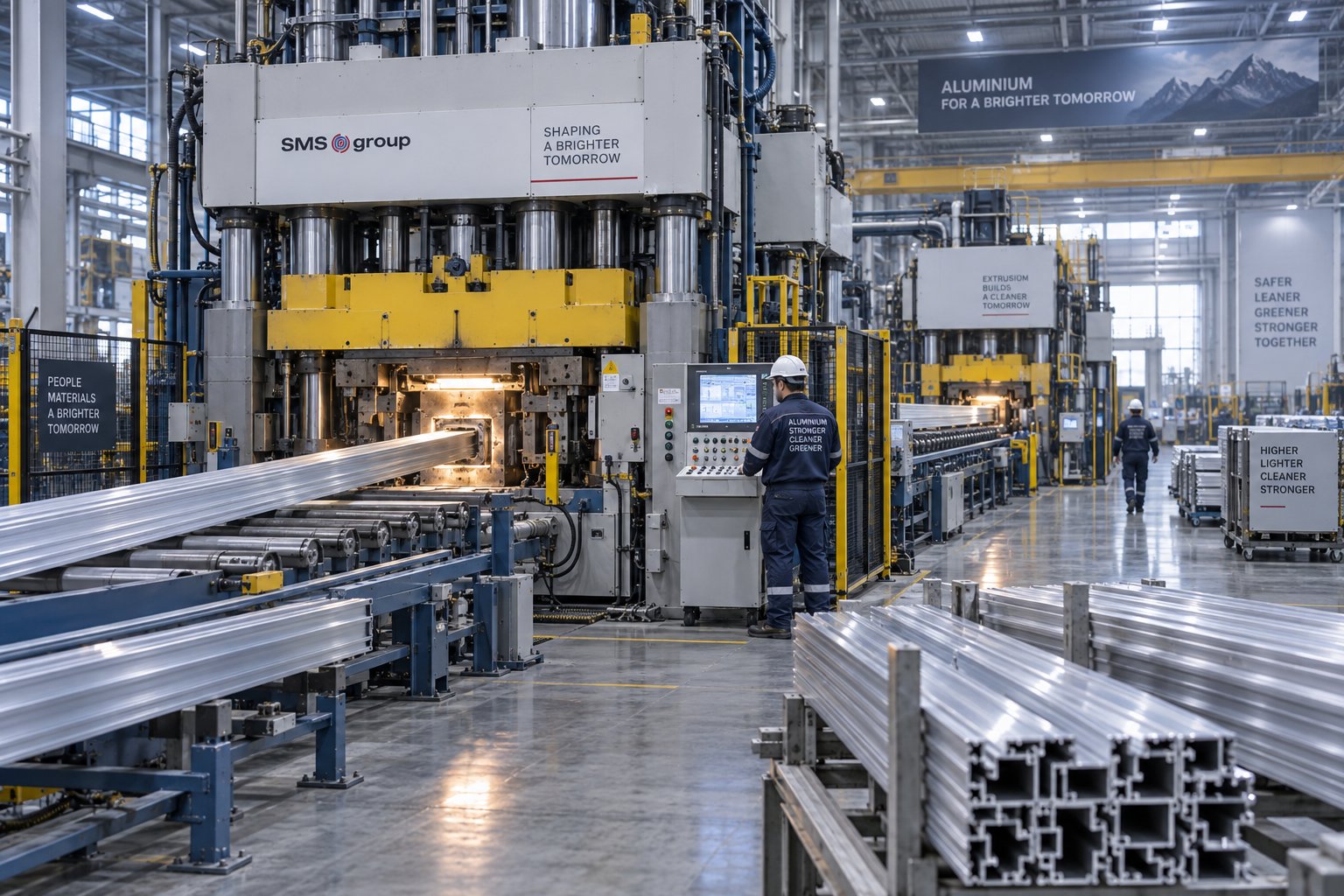
You've mastered alloy selection, surface treatments, joining methods, and the standard versus custom decision. Now comes the practical question every buyer eventually faces: where to buy aluminum extrusion that meets your quality standards without breaking your budget? Finding the right supplier transforms your carefully planned specifications into actual components—or leaves you dealing with delays, defects, and frustration.
The aluminum extrusion supplier landscape ranges from small regional fabricators to multinational manufacturers. Each offers different strengths, and matching those capabilities to your specific requirements determines project success. Let's build a systematic evaluation framework that separates reliable partners from risky gambles.
Before requesting quotes, understand what manufacturing capabilities actually matter for round profiles. Not every extruder handles every profile type equally well, and mismatched capabilities lead to quality issues regardless of price.
Press Tonnage Range
Extrusion presses vary enormously in capacity—from compact 500-ton machines suitable for small profiles to massive 10,000+ ton presses handling large structural shapes. According to industry experts, evaluating press tonnage, die library, and machining centers helps confirm whether suppliers can produce your specific profile without compromising quality.
For typical round aluminum tube applications:
Suppliers operating multiple press sizes offer flexibility—they can match your profile to optimal equipment rather than forcing compromises.
Secondary Processing Capabilities
Raw extrusion rarely ships directly to end users. Most applications require cutting to length, drilling, tapping, bending, or CNC machining. According to manufacturing specialists, in-house capabilities mean the manufacturer can oversee the entire production journey, ensuring the resultant aluminum extrusion profile aligns seamlessly with your stipulations while curbing chances of miscommunication or undue delays.
Key secondary operations to verify:
Suppliers lacking in-house finishing capabilities must outsource—adding lead time, coordination complexity, and potential quality inconsistencies.
Quality Certifications
Certifications provide objective evidence of manufacturing discipline. According to quality assessment guides, ISO 9001 certification confirms a manufacturer has documented processes for everything from quoting to shipping, with regular internal audits, corrective actions for non-conformities, and a focus on continuous improvement.
Essential certifications to verify:
Beyond certifications, ask about in-house testing capabilities. Does the supplier offer tensile strength testing, dimensional inspection, salt spray resistance checks, or hardness verification? Robust quality assurance minimizes rejects and downstream production interruptions.
Armed with evaluation criteria, you need specific questions that reveal supplier capabilities quickly. The following checklist helps separate qualified partners from those who cannot support your requirements.
Manufacturing and Capacity Questions:
Quality and Technical Support Questions:
Service and Pricing Questions:
Suppliers who answer these questions confidently with specific details demonstrate genuine capability. Vague responses or deflection often indicate limitations they prefer not to disclose.
Building a structured evaluation framework allows objective comparison across potential suppliers. Consider scoring each candidate against weighted criteria reflecting your priorities—quality may outweigh cost for aerospace applications, while lead time might dominate for time-sensitive projects.
| Evaluation Criteria | What to Look For | Red Flags |
|---|---|---|
| Manufacturing Capability | Multiple press sizes, modern equipment, sufficient capacity | Single press line, outdated machinery, capacity constraints |
| Quality Systems | ISO certification, documented procedures, testing capabilities | No certifications, vague quality claims, no inspection records |
| Technical Support | Engineering review, DFM feedback, responsive communication | Order-taking only, no design input, slow responses |
| Secondary Processing | In-house CNC, finishing, assembly capabilities | Heavy outsourcing, limited value-added services |
| Pricing Transparency | Itemized quotes, clear terms, factory-direct pricing | Hidden fees, unclear specifications, excessive markups |
Request physical samples before committing to production orders. Evaluate extrusion precision, surface finish, and material consistency firsthand. If possible, conduct factory audits or virtual walkthroughs to assess machinery, cleanliness, and workflow organization.
For projects requiring comprehensive capabilities under one roof, Shengxin Aluminium exemplifies the integrated approach many buyers prefer. With over 30 years of industry experience, their facility houses 35 extrusion presses ranging from 600T to 5500T—covering virtually any round profile requirement. Their CNC machining centers handle precision cutting, drilling, and bending to exact specifications, while comprehensive surface treatment options include anodizing in custom colors like champagne and rose gold, powder coating, PVDF, and micro-arc oxidation. This end-to-end support from die development through mass production, combined with factory-direct pricing, eliminates the coordination headaches of managing multiple vendors.
Whatever supplier you ultimately select, remember that the lowest quote rarely delivers the best value. Total cost includes quality consistency, lead time reliability, technical support, and long-term partnership potential. Investing time in thorough supplier evaluation pays dividends throughout your project lifecycle—and positions you for successful outcomes every time you source round aluminum extrusion profiles.
Round aluminum extrusions come in a wide range of sizes to suit diverse applications. Standard outside diameters (OD) typically range from 20mm (0.79 inch) for lightweight frames and displays up to 150mm (6 inches) or larger for industrial applications. Common sizes include 20mm OD for consumer products, 40mm (1.57 inch) for furniture construction, 1.5 inch (38.1mm) for handrails, and 2-4 inch profiles for conveyor rollers and pneumatic cylinders. Wall thicknesses vary based on structural requirements, with tolerances tightening as quality standards increase.
True round extrusions feature a complete 360-degree circular cross-section, including solid round bars and hollow tubes. Quarter-round profiles have only a 90-degree arc-shaped cross-section—essentially one-quarter of a circle. While round extrusions serve structural applications requiring uniform load distribution, quarter-round profiles function as decorative trim, corner protectors, or transition pieces in architectural applications. They cannot substitute for true round extrusions in load-bearing scenarios.
The best alloy depends on your application requirements. 6063 aluminum, called architectural aluminum, delivers exceptional surface finish ideal for handrails, furniture, and visible applications—perfect for anodizing and powder coating. 6061-T6 aluminum offers higher tensile strength (45,000 psi versus 35,000 psi for 6063-T6), making it suitable for structural applications, marine hardware, and automotive components where strength is critical. Manufacturers like Shengxin Aluminium work with both alloys and provide guidance on optimal selection.
Round profiles can be joined using several methods depending on strength requirements and aesthetics. Mechanical options include tube connectors, external clamps, through-bolts, and set screw fittings—ideal for assemblies needing future adjustment. Welding (TIG or MIG) provides permanent, high-strength connections but affects heat-treated properties in the weld zone. Adhesive bonding works well for static loads without heat concerns. Telescoping joints using cam locks or friction collars enable adjustable-length assemblies for applications like tripods and adjustable poles.
Multiple surface treatments enhance protection and appearance. Anodizing creates an integral oxide layer that cannot peel or chip, available in colors like champagne, bronze, black, and rose gold. Powder coating provides excellent color variety with crack resistance for curved profiles. PVDF coatings deliver superior UV and chemical resistance for exterior architectural applications. Micro-arc oxidation creates ceramic-like coatings with extreme hardness for high-wear industrial environments. Comprehensive manufacturers offer all these options under one roof for streamlined procurement.



 serviço on-line
 0086 136 3563 2360
 sales@sxalu.com
 +86 136 3563 2360
 português
 English
 français
 Deutsch
 русский
 español
 العربية
 ไทย
ไทย Việt
Việt Українська