
When you're searching for the ideal structural material that balances strength, weight, and versatility, rectangular tube aluminum extrusions deserve your attention. But what exactly sets this particular profile apart from the round pipes or square tubes you've likely encountered?
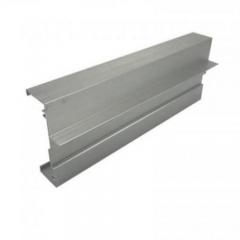
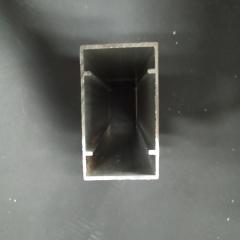
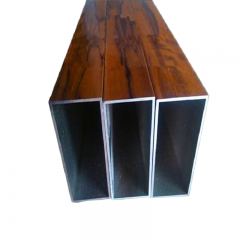
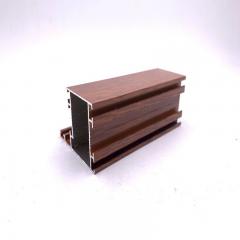
A rectangular tube is an extruded aluminum tube featuring a hollow cross-section with four flat sides—two longer and two shorter. This asymmetrical geometry creates distinct structural advantages that neither round nor square profiles can match. While round tubes distribute stress evenly in all directions and square tubes offer balanced resistance, aluminum rectangular tubing provides greater stiffness along its longer axis. This directional strength makes it the go-to choice when you need to resist bending forces in a specific orientation.
Imagine you're building a frame that needs to support weight from above while fitting into a narrow space. A square tube might be too bulky, and a round tube won't sit flush against flat surfaces. This is where rectangular metal tubing shines. The elongated profile offers:
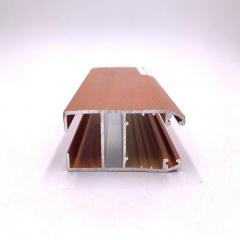
Whether you call it a rec tube in casual shop talk or specify it formally as an extruded aluminum tube, this profile geometry serves applications ranging from architectural framing to industrial machinery supports.
Ever wondered how manufacturers transform raw aluminum into precisely shaped hollow profiles? The extrusion process is surprisingly elegant—think of it like squeezing toothpaste through a shaped opening, but with metal at extremely high temperatures.
Aluminum extrusion is a manufacturing process where a heated aluminum billet is forced through a shaped die opening under immense hydraulic pressure, creating continuous profiles with consistent cross-sectional geometry.
Here's how your rectangular tube comes to life:
First, manufacturers preheat a specialized die—the tool that defines your tube's exact shape—to approximately 450-500°C. This preheating ensures even metal flow and extends die longevity. Simultaneously, a cylindrical aluminum billet gets heated in an oven to 400-500°C. At this temperature, the aluminum becomes malleable but remains solid—soft enough to shape, yet firm enough to maintain its form.
The heated billet then enters the extrusion press, where hydraulic rams apply up to 15,000 tons of pressure. This force pushes the aluminum through the die, and the metal emerges on the other side with the rectangular hollow shape fully formed. For hollow profiles like rectangular tubes, the die system includes internal supports called mandrels and bridges that create the interior void while allowing the aluminum to flow around them and fuse back together.
After exiting the press, the newly formed profile undergoes quenching—a controlled cooling process using water baths or fans that locks in material properties. The aluminum is then stretched to eliminate any twisting or warping, cut to length, and aged in an oven to achieve the desired temper and strength characteristics.
Understanding this process matters because it explains why rectangular tube aluminum extrusions offer such consistent quality. Unlike welded or formed tubing, extruded profiles have uniform wall thickness and seamless construction throughout their entire length—critical factors when structural integrity is non-negotiable.
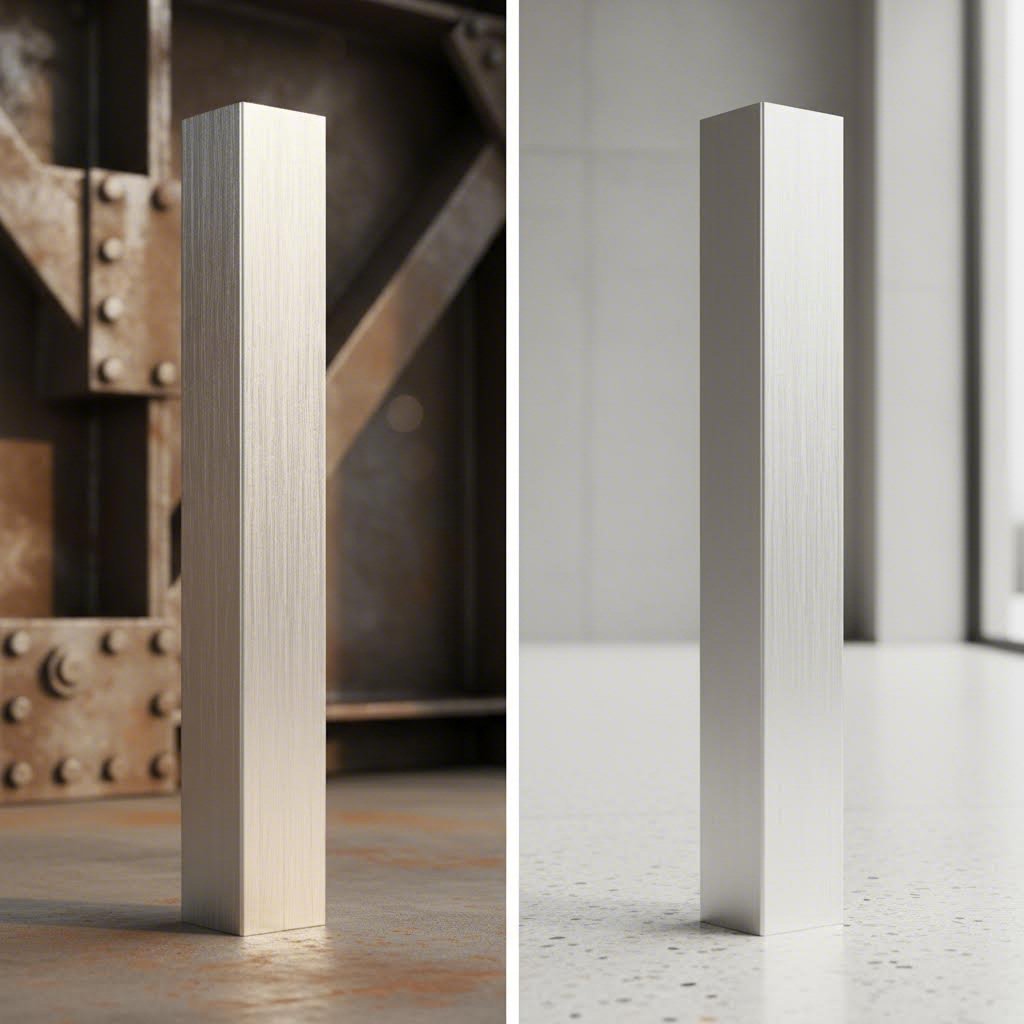
Now that you understand how rectangular tubes are formed, here's the next critical question: which aluminum alloy should you specify? The answer significantly impacts everything from load-bearing capacity to final appearance. Two alloys dominate the extruded aluminum tubing market—6061-T6 and 6063-T52—and knowing their differences helps you match material properties to your application requirements.
Think of 6061 aluminum tubing as the workhorse and 6063 as the showpiece. Both belong to the 6000 series aluminum family, meaning they contain magnesium and silicon as primary alloying elements. However, 6061 contains approximately 30-50% more magnesium and silicon than 6063, plus small amounts of copper and chromium. These compositional differences translate into distinct performance characteristics.
6061 tubing delivers superior mechanical strength. In the T6 temper, it achieves a tensile strength of approximately 310 MPa and yield strength around 276 MPa. This makes it the preferred choice for structural aluminum tubing applications where load-bearing capacity matters—think truck frames, tower structures, marine components, and industrial machinery supports.
6063 aluminum, while not as strong, offers advantages 6061 simply cannot match. Its tensile strength reaches about 241 MPa and yield strength approximately 214 MPa in the T6 state. What 6063 sacrifices in raw strength, it gains in formability, surface finish quality, and extrudability. This alloy flows through dies more smoothly, producing profiles with excellent surface aesthetics—ideal when appearance matters as much as function.
How do you decide between these two options? Start by asking yourself whether your rectangular tube needs to carry significant loads or look visually appealing—or perhaps both.
Choose 6061 aluminum tubing when your project demands:
Choose 6063 for applications requiring:
When you need a structural aluminium tube that will be hidden from view or painted over, 6061's strength advantages make it the logical choice. However, for exposed architectural applications where finish quality is paramount, 6063 delivers results that 6061 cannot match without additional surface preparation.
| Property | 6061-T6 | 6063-T6 |
|---|---|---|
| Tensile Strength | 310 MPa | 241 MPa |
| Yield Strength | 276 MPa | 214 MPa |
| Brinell Hardness | 95 | 73 |
| Fatigue Strength | 97 MPa | 69 MPa |
| Thermal Conductivity | 170 W/m-K | 200 W/m-K |
| Corrosion Resistance | Excellent | Very Good |
| Weldability | Good | Excellent |
| Surface Finish Quality | Good | Excellent |
| Relative Cost | Higher | Lower |
| Typical Applications | Structural, industrial, marine | Architectural, decorative, furniture |
Notice that 6063 actually outperforms 6061 in thermal conductivity (200 W/m-K vs 170 W/m-K), making it better suited for heat sink applications. It also offers greater elongation at break (15% vs 12%), meaning it handles forming and bending operations with less risk of cracking.
Cost considerations also play a role. Because 6063 is more commonly extruded and easier to work with, it typically carries a lower price point than 6061. If you're ordering aluminum square stock or rectangular profiles for non-structural applications, 6063 often provides the best value.
With your alloy selected, the next step involves determining the right dimensions for your rectangular aluminum tube—a decision that depends on wall thickness, overall size, and the specific loads your profile must handle.
You've selected your alloy—now comes the question that trips up many first-time buyers: what size do you actually need? Understanding aluminum tube sizes isn't complicated once you know how to read the nomenclature, but the sheer variety of aluminum tubing sizes available can feel overwhelming. Let's break down the dimensional specifications that govern rectangular aluminum tubing and help you navigate the options with confidence.
Rectangular tubing dimensions follow a straightforward naming convention: width × height × wall thickness. For example, a tube specified as "2 × 4 × 0.125" measures 2 inches across the shorter side, 4 inches across the longer side, with walls that are 0.125 inches (1/8 inch) thick. This nomenclature applies universally across suppliers, making it easy to compare options from different sources.
According to industry specifications from Thomas, rectangular aluminum tubing is typically specified by leg length and wall thickness. Unlike round tubing, which may also reference inside diameter, rectangular profiles focus on outer dimensions because those determine how the tube interfaces with brackets, frames, and mounting hardware.
Here's what each measurement tells you:
When reviewing an aluminum rectangular tube sizes chart, you'll notice that standard rectangular tube sizes typically range from small profiles like 1" × 2" up to larger structural sections exceeding 6" × 12". Most suppliers stock common sizes in increments that accommodate typical fabrication needs.
| Width × Height (inches) | Common Wall Thicknesses (inches) | Approximate Weight Range (lb/ft) | Typical Applications |
|---|---|---|---|
| 1 × 2 | 0.063, 0.125 | 0.25 – 0.50 | Light frames, trim, furniture |
| 1 × 3 | 0.063, 0.125, 0.188 | 0.35 – 0.85 | Display frames, signage supports |
| 2 × 3 | 0.125, 0.188, 0.250 | 0.70 – 1.40 | Modular structures, SEG frames |
| 2 × 4 | 0.125, 0.188, 0.250 | 0.85 – 1.70 | Structural framing, trailer builds |
| 2 × 6 | 0.125, 0.188, 0.250 | 1.10 – 2.30 | Load-bearing frames, industrial |
| 3 × 4 | 0.188, 0.250 | 1.50 – 2.00 | Heavy-duty structural applications |
| 4 × 6 | 0.188, 0.250, 0.375 | 2.20 – 4.50 | Major structural members, machinery |
Wall thickness deserves special attention because it influences nearly every performance characteristic of your rectangular tube. Thicker walls increase strength and allow for threading or tapping, while thinner walls reduce weight and material cost. The right choice depends entirely on your specific application.
Standard wall thicknesses for aluminum tube dimensions typically include:
As noted by Testrite Aluminum, thicker-walled tubes enable deeper threading, stronger connections, and higher stress tolerance—making them ideal for static frames and load-bearing components. However, they're generally not suitable for telescoping applications where smooth nesting is required.
When precision matters, understanding tolerance standards prevents costly surprises during fabrication. According to Mid-States Aluminum, the aluminum industry follows these general tolerance guidelines for extruded profiles:
These tolerances matter most when you're designing assemblies where multiple rectangular tubes must fit together precisely. For CNC applications or press-fit scenarios, you may need to request tighter tolerances from your supplier—though this typically affects cost and lead time.
Choosing the right aluminum tubing sizes involves balancing multiple considerations. Before finalizing your rectangular tube dimensions, evaluate these key factors:
With your size specifications determined, the next logical step is understanding how rectangular aluminum tubing compares to steel alternatives—a comparison that reveals why aluminum often wins on total lifecycle value despite potentially higher initial costs.
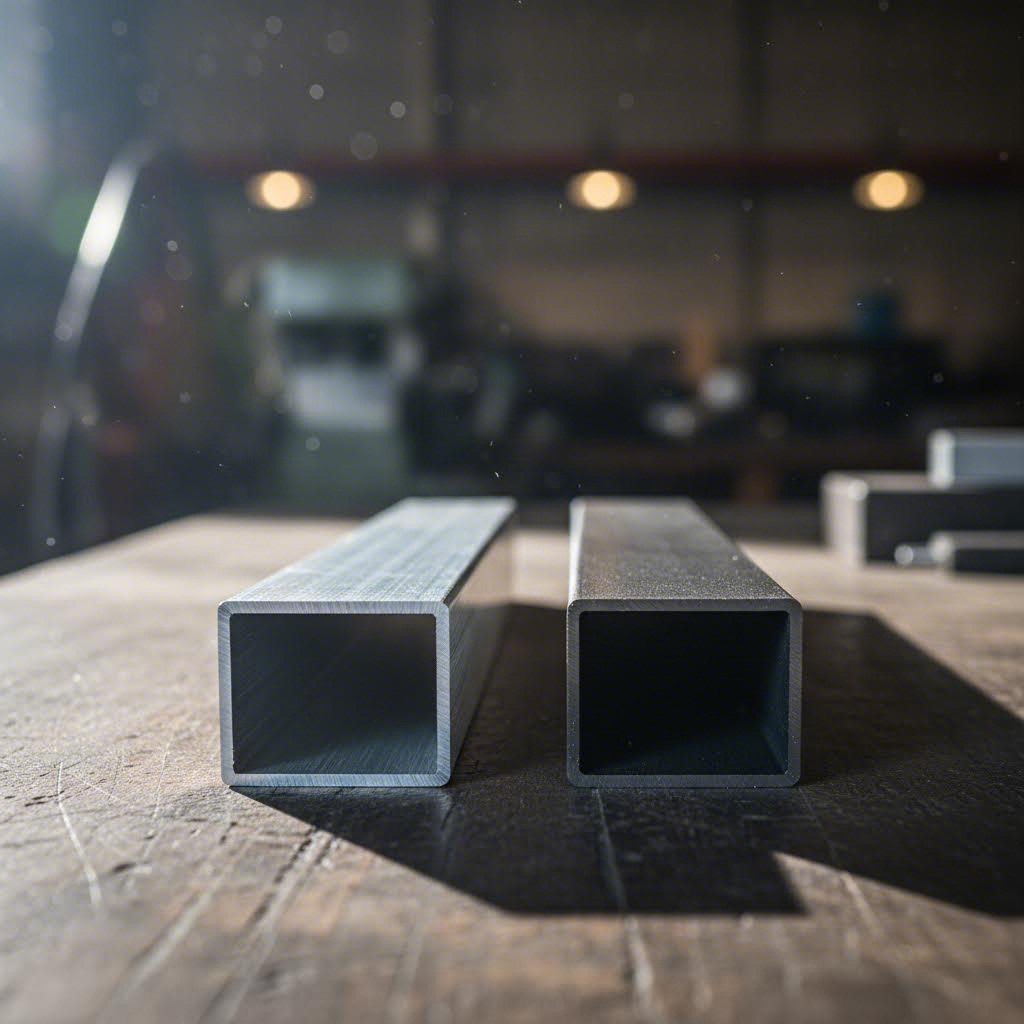
You've narrowed down your alloy and size specifications—but here's a question that deserves serious consideration before placing your order: should you even be using aluminum? Steel rectangular tubing remains a dominant force in construction and fabrication, and understanding when each material excels helps you make decisions that optimize both performance and budget.
This isn't a simple "one is better" comparison. Both materials have earned their place across countless industries. The real question is which one aligns with your specific project requirements—and that answer depends on how you weigh factors like strength, weight, corrosion behavior, and total lifecycle costs.
Here's the headline number that drives many aluminum vs steel decisions: aluminum weighs approximately one-third as much as steel. A steel rectangular tube measuring 2" × 4" × 0.125" wall might weigh around 3.0 pounds per foot, while an identical aluminum profile tips the scales at roughly 1.0 pound per foot. That difference compounds quickly across a large structure or fleet of vehicles.
But wait—doesn't steel offer superior strength? Absolutely. Steel delivers higher tensile strength, yield strength, and shear strength than aluminum in absolute terms. A rectangular steel tube can withstand more pulling, squeezing, and bending force before failing. This raw strength advantage makes rectangular tube steel the default choice for bridges, high-rise buildings, and heavy industrial equipment.
The plot thickens when you consider strength-to-weight ratio. While steel is stronger, it's also much heavier. When you calculate how much load each material can carry per pound of its own weight, aluminum closes the gap considerably. For applications where every pound matters—think aircraft, racing vehicles, portable equipment, or structures with foundation limitations—aluminum's favorable strength-to-weight ratio often outweighs steel's absolute strength advantage.
Consider this practical scenario: you're designing a trailer frame. A steel rectangle tube frame might handle higher loads, but it also adds weight that reduces payload capacity and increases fuel consumption over the vehicle's lifetime. An aluminum frame carrying slightly less absolute load might actually deliver more net payload capacity because the frame itself weighs less.
Corrosion resistance represents one of aluminum's most compelling advantages over rectangular steel tubing. When aluminum contacts air, it naturally forms a protective oxide layer that prevents further degradation. This self-healing characteristic means aluminum rectangular tubes can spend years exposed to moisture, salt air, or industrial atmospheres without developing the rust that plagues unprotected steel.
Steel, by contrast, requires active protection against corrosion. Galvanizing, painting, powder coating, or applying rust inhibitors adds upfront cost and creates ongoing maintenance obligations. Miss a touch-up on a scratched steel frame, and rust begins forming almost immediately. Over a 20-year service life, these maintenance costs accumulate substantially.
Where does steel fight back? In certain aggressive chemical environments, specific steel alloys (particularly stainless steels) may outperform aluminum. And in applications where the material stays dry and protected, steel's corrosion vulnerability becomes largely irrelevant. Rectangular steel tube dimensions and wall thicknesses can also be specified to provide "corrosion allowance"—extra material thickness that compensates for expected degradation over time.
When evaluating rectangular tube metal options, this comparison table highlights the key differences you'll need to weigh:
| Property | Aluminum Rectangular Tube | Steel Rectangular Tube |
|---|---|---|
| Weight per Foot (2×4×0.125" example) | ~1.0 lb/ft | ~3.0 lb/ft |
| Relative Density | 1× (baseline) | ~3× heavier |
| Tensile Strength | Moderate (varies by alloy) | High to Very High |
| Corrosion Resistance | Excellent (natural oxide layer) | Poor without coating |
| Initial Material Cost | Higher per pound | Lower per pound |
| Lifecycle Cost | Often lower (minimal maintenance) | Often higher (coatings, repairs) |
| Weldability | Good (requires TIG, proper filler) | Excellent (multiple methods) |
| Recyclability | Highly recyclable (retains value) | Recyclable |
| Thermal Conductivity | High | Low |
| Electrical Conductivity | Good | Poor |
So which should you choose? The answer depends on your priority hierarchy.
Choose aluminum rectangular tubing when:
Choose steel rectangular tubing when:
Many successful projects actually combine both materials strategically. A trailer might use a steel rectangular tube for the main frame rails where strength is paramount, then aluminum for side panels and accessories where weight savings add up without compromising structural integrity.
Understanding this aluminum-versus-steel tradeoff positions you to make informed material decisions. But knowing why to choose aluminum is only part of the equation—you also need to understand what you can actually do with rectangular aluminum tubes once they arrive. That's where fabrication knowledge becomes essential.
You understand the alloys, dimensions, and how aluminum stacks up against steel. Now comes the practical question: what can you actually build with rectangular tubing? The answer spans industries from construction to furniture making—and the reasons why this profile excels in each application reveal fundamental engineering principles worth understanding.
Here's what makes rectangular aluminum tube geometry special: it offers a higher moment of inertia along its longer axis compared to square or round profiles of equivalent weight. Sounds complex? Think of it this way—when you orient the longer dimension to resist the primary bending force, you get more stiffness from less material. This directional strength advantage, combined with aluminum's light weight and corrosion resistance, opens doors that other profiles simply cannot.
Architects and structural engineers reach for rectangular aluminum tubing when projects demand both performance and aesthetics. The flat surfaces create clean visual lines while providing substantial load-bearing capacity in the orientation that matters most.
When appearance matters as much as function, 6063 alloy in an aluminum 2x4 profile delivers clean lines that look intentional rather than industrial. The smooth extruded surface accepts anodizing beautifully, allowing designers to specify custom colors that integrate with overall aesthetic schemes.
Step into any manufacturing facility, and you'll find rectangular aluminum tubing working behind the scenes. These applications prioritize function over form—though the corrosion resistance and dimensional stability still deliver long-term value.
Every pound matters when something moves. That's why transportation applications represent one of the largest markets for rectangular aluminum tubing.
Professional fabricators aren't the only ones who benefit from rectangular aluminum tube. If you're a hobbyist, maker, or small shop owner, this material offers accessibility that steel often cannot match.
The key advantage for DIY fabricators? Aluminum cuts, drills, and fastens with standard shop tools. You don't need specialized equipment or welding certifications to build functional projects from rectangular aluminum tubing—though proper techniques do matter, which brings us to fabrication best practices.
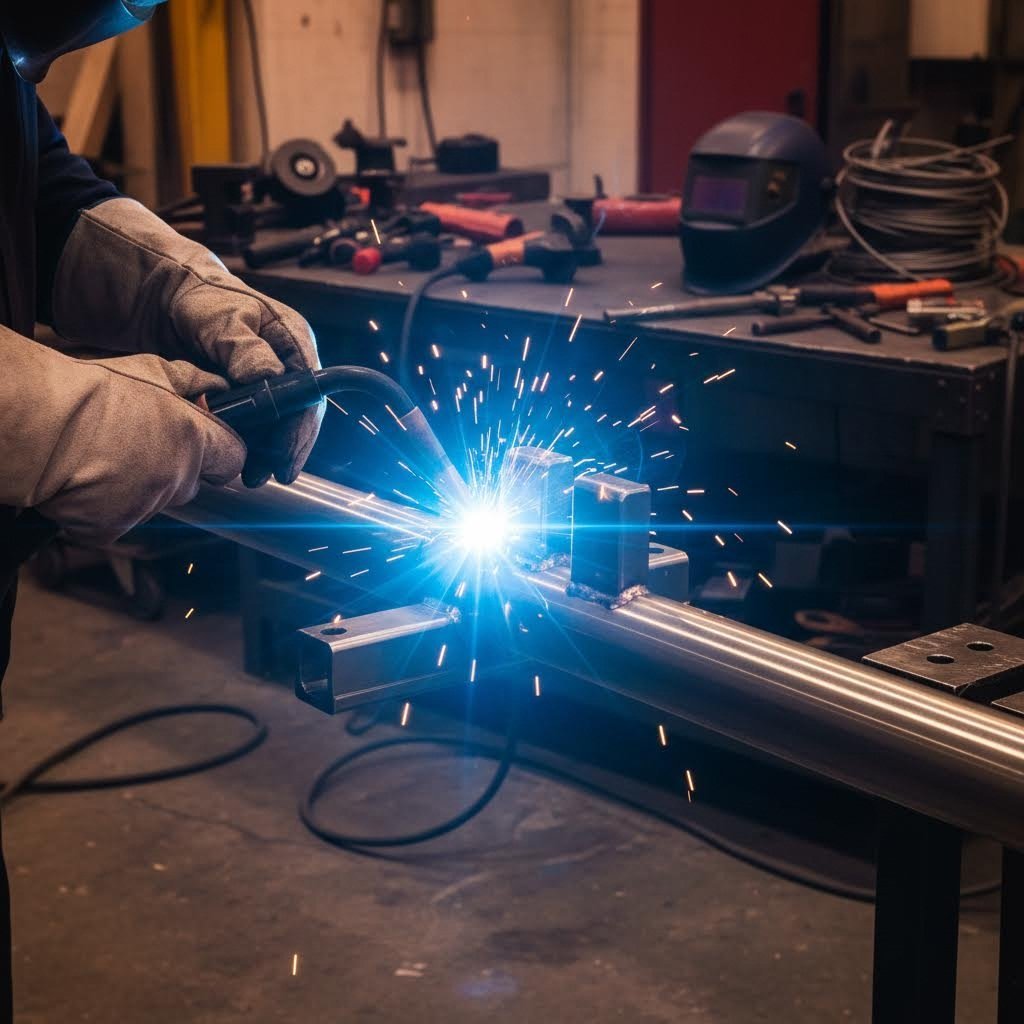
You've selected the perfect alloy, nailed down your dimensions, and confirmed aluminum beats steel for your application. Now comes the moment of truth: actually working with the material. Whether you're cutting 1x2 aluminum tubing for a lightweight frame or machining thicker structural profiles, the techniques you use determine whether your finished project meets expectations—or ends up in the scrap bin.
Aluminum fabrication differs significantly from steel work. The material's lower melting point, higher thermal conductivity, and softer nature demand adjusted approaches for every operation. Master these fundamentals, and you'll produce professional results. Ignore them, and you'll fight the material every step of the way.
Cutting rectangular aluminum tubing seems straightforward—until you notice the burrs, the melted edges, or the blade that dulled after three cuts. The right approach depends on your equipment, precision requirements, and production volume.
Saw cutting remains the most accessible method for most fabricators. Standard miter saws and band saws handle aluminum pipe and rectangular profiles effectively, but blade selection matters enormously. Use carbide-tipped blades with high tooth counts (80+ teeth for circular saws) and negative rake angles. These configurations prevent the grabbing and self-feeding that occurs when aggressive blades engage soft aluminum.
Laser cutting delivers exceptional precision for complex shapes and tight tolerances. Modern fiber lasers handle aluminum well, though the material's reflectivity requires higher power settings than equivalent steel thicknesses. Laser-cut edges emerge clean and burr-free, eliminating secondary finishing operations.
Waterjet cutting offers a cold-cutting alternative that produces no heat-affected zones. This matters when working with thin wall aluminum tubing where heat distortion could compromise dimensional accuracy. Waterjet also handles thick sections that challenge other methods.
When drilling 2 aluminum tubing or thicker profiles, maintain sharp bits and appropriate speeds. Aluminum tends to grab drill bits, especially when the bit breaks through the opposite wall. Use cutting fluid, back up thin-walled sections to prevent deformation, and reduce feed rate as the bit exits the material.
Welding aluminum intimidates many fabricators—and for good reason. The material's oxide layer, high thermal conductivity, and tendency to crack demand respect. But proper technique transforms aluminum welding from frustrating to entirely manageable.
TIG (GTAW) welding stands as the preferred method for rectangular aluminum tubing. The process provides precise heat control, produces clean welds, and handles the thin wall aluminum pipe sections common in fabrication projects. AC polarity with high-frequency start cleans the oxide layer while depositing filler metal.
Always use filler materials specifically designed for aluminum—never substitute steel filler rods. Incorrect filler selection creates brittle joints that fail under load, often without warning.
Common filler alloys include 4043 (general purpose, good fluidity) and 5356 (higher strength, better corrosion resistance). Match your filler to both the base alloy and application requirements. For 6061 structural applications, 4043 typically provides adequate strength with excellent weldability.
The heat-affected zone (HAZ) deserves attention with any aluminum welding. Adjacent to the weld, the base metal softens as heat conducts away from the fusion zone. In 6061-T6, this HAZ can lose 30-40% of the parent material's strength. Design welded joints to account for this reduction, or plan post-weld heat treatment to restore properties.
Bending 1 aluminum tubing or larger rectangular profiles requires understanding minimum bend radii. Attempt too tight a bend, and the outer wall cracks while the inner wall wrinkles. The exact minimum depends on alloy, temper, wall thickness, and bend orientation.
As a starting guideline, maintain inside bend radii of at least 2-3 times the tube height for 6063 alloy and 3-4 times for 6061. Thinner walls allow tighter radii; thicker walls demand more gradual bends. When in doubt, test on scrap material before committing to your actual workpiece.
Mandrel bending—inserting a flexible support inside the tube during the bend—prevents wall collapse on tight-radius bends. For production work or critical applications, this investment in proper tooling pays dividends in reduced scrap rates.
Experience teaches hard lessons, but learning from others' mistakes costs nothing. Here's what trips up fabricators working with aluminum square tube and rectangular profiles:
With solid fabrication fundamentals in place, your rectangular aluminum tube projects will come together cleanly. But raw fabrication rarely represents the final step—most applications benefit from surface treatments that enhance appearance, durability, or both.
Your rectangular aluminum tubing has been cut, welded, and assembled—but is it truly finished? Raw mill finish aluminum certainly functions, yet it remains vulnerable to scratches, fingerprints, and gradual oxidation that dulls its appearance over time. The right surface treatment transforms your aluminum rectangular tube from a functional component into a polished, protected product that performs beautifully for years.
Surface finishing isn't merely cosmetic. Each treatment option offers distinct advantages for corrosion resistance, durability, and aesthetic appeal. Understanding these differences helps you match the finish to your application's specific demands—whether that's an architectural facade exposed to coastal weather or an aluminium box tube hidden inside industrial equipment.
Unlike paint or powder coating, anodizing doesn't simply cover your rectangular aluminum tubing—it transforms the surface itself. This electrochemical process creates a super-hard aluminum oxide layer that's fully integrated with the base metal, making it impossible to peel or flake off.
According to AOTCO Metal Finishing, the anodizing process submerges aluminum in an acid bath while passing electric current through it. The result? A protective layer significantly harder than the original aluminum surface. Type III hard coat anodizing can actually make aluminum harder than tool steel.
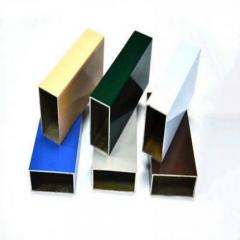
Color options expand dramatically with anodized finishes. The process creates microscopic pores in the oxide layer that absorb dyes before being sealed permanently. Popular anodized aluminum colors include:
Anodizing excels when you need exceptional hardness, scratch resistance, and a finish that won't chip. However, color matching across batches requires careful process control, and the range of available colors—while broad—doesn't match what powder coating offers.
When anodizing doesn't fit your requirements, coating systems provide compelling alternatives with their own distinct advantages.
Powder coating uses electrostatically charged dry powder sprayed onto grounded aluminium square tubing, then baked in an oven where it melts into a smooth, durable finish. According to Minh Dung Holdings, powder coating offers virtually unlimited color options, including metallics, textures, and custom RAL matches. The thick coating layer provides excellent impact resistance and hides minor surface imperfections.
PVDF coating (Polyvinylidene Fluoride) represents the gold standard for exterior architectural applications. This high-performance liquid paint system—often marketed under the Kynar 500 trade name—delivers unmatched UV resistance and color retention over decades of outdoor exposure. Building facades, curtain walls, and metal roofing systems specify PVDF for projects where long-term appearance matters.
Mechanical finishes offer texture without added coatings. Brushed, satin, and polished finishes enhance aluminum's natural appearance while providing consistent surface texture. These treatments often serve as preparation steps before anodizing or coating.
Your surface treatment choice affects not just appearance but also lifecycle costs. Anodized aluminum rectangle tube requires virtually no maintenance, while powder-coated surfaces may need periodic cleaning to maintain appearance. PVDF coatings justify their premium through decades of fade-free performance in demanding environments.
With your finish selected, the final piece of the puzzle involves finding the right supplier—one who can deliver your specified alloy, dimensions, and surface treatment with the quality and lead times your project demands.

You've defined your alloy requirements, determined optimal dimensions, and selected the perfect surface treatment. Now comes a decision that can make or break your project: where do you actually buy aluminum tubing that meets your specifications? The sourcing landscape ranges from local metal distributors with limited stock to specialized aluminum tubing manufacturers offering comprehensive customization—and choosing wisely saves time, money, and frustration.
Finding the right supplier involves more than comparing price per foot. Lead times, quality consistency, minimum order quantities, and value-added processing capabilities all factor into your total project cost and timeline. Let's walk through the evaluation process that separates adequate sourcing from truly optimized procurement.
Before evaluating aluminium tube suppliers, answer this fundamental question: do standard catalog profiles meet your needs, or does your application require custom extrusion?
Standard rectangular aluminum tube stock offers significant advantages for straightforward applications. Distributors maintain inventory in common sizes, meaning you can often receive material within days rather than weeks. Pricing benefits from economies of scale since these profiles run in large production batches. For projects using typical dimensions like 2" × 4" or 1" × 3" with standard wall thicknesses, catalog profiles usually make sense.
However, standard profiles impose constraints. You're limited to whatever dimensions, alloys, and wall thicknesses suppliers happen to stock. Custom internal features, unusual aspect ratios, or integrated mounting channels simply aren't available off the shelf. If your design requires squeezing into tight spaces, optimizing weight for a specific load, or incorporating functional geometry into the profile itself, custom extrusion becomes necessary.
Custom extrusions require die development—an upfront investment that typically ranges from several hundred to several thousand dollars depending on profile complexity. This cost amortizes quickly across larger orders but can be prohibitive for small quantities. Most aluminum tubing manufacturers establish minimum order quantities (MOQs) for custom profiles, often starting at 500-1,000 pounds.
Consider custom extrusion when:
Whether sourcing standard aluminum tube for sale or commissioning custom profiles, supplier capabilities directly impact your outcomes. Not all aluminum tubing suppliers offer equivalent service—and the cheapest quote often proves most expensive after quality issues, delays, or missing capabilities force project adjustments.
When evaluating potential aluminium tubing for sale sources, prioritize these criteria:
Consider a full-service supplier like Shengxin Aluminium's custom aluminum extrusion services, which exemplifies comprehensive capability. With over 30 years of industry experience, their facility houses 35 extrusion presses ranging from 600T to 5500T—capacity that handles everything from delicate architectural trim to heavy structural profiles. Their deep processing services include precision CNC cutting, drilling, and bending to exact specifications, while surface treatment options span anodizing in custom colors, powder coating, PVDF, and micro-arc oxidation for superior durability.
When you buy aluminum tubing, the per-foot price represents just one component of total acquisition cost. Savvy procurement evaluates the complete picture:
Tooling and setup costs — custom dies represent real investment, but quality tooling from experienced manufacturers produces dimensionally consistent profiles across production runs. Cheap dies wear quickly, introducing variation that causes downstream assembly problems.
Secondary processing expenses — raw extrusion requiring outside cutting, drilling, and finishing accumulates handling charges, shipping costs, and coordination overhead. Suppliers offering end-to-end processing eliminate these hidden costs.
Scrap and quality rejection rates — consistent dimensional accuracy means parts fit during assembly. Poor tolerance control generates scrap, rework, and schedule delays that dwarf any initial price savings.
Inventory carrying costs — suppliers maintaining stock programs or offering scheduled releases reduce your warehouse requirements and working capital commitment.
Technical support value — experienced aluminum tubing suppliers catch design issues during quotation rather than after production. This guidance—often provided at no charge—prevents expensive corrections and optimizes your design for manufacturing efficiency.
Factory-direct relationships with manufacturers like Shengxin Aluminium often provide pricing advantages over distribution channels, particularly for volume orders or ongoing programs. Their technical teams support projects from initial die development through mass production, ensuring specifications translate into manufactured reality without costly miscommunication.
With supplier evaluation criteria established, the final step involves synthesizing all your requirements—alloy, dimensions, finish, and sourcing—into a systematic selection process that ensures your rectangular aluminum tube extrusion project succeeds from specification through delivery.
You've absorbed a lot of information—alloys, rectangular tubing sizes, surface treatments, fabrication techniques, and supplier evaluation criteria. Now it's time to pull everything together into a practical decision framework. Rather than leaving you to sort through variables on your own, let's walk through a systematic selection process that transforms overwhelming options into confident choices.
Think of this as your roadmap from project requirements to purchase order. Each step builds on the previous one, ensuring you don't overlook critical factors that could derail your rectangular aluminum tube project downstream.
Before diving into catalogs or requesting quotes, work through these essential questions. Your answers establish the parameters that guide every subsequent decision.
With your checklist complete, you're equipped to evaluate suppliers and finalize specifications with confidence. But here's what separates successful projects from frustrating experiences: partnership with a supplier who supports your decision-making process rather than simply processing orders.
Experienced manufacturers like Shengxin Aluminium provide end-to-end technical support that transforms complex specifications into manufactured reality. Their engineering teams assist from initial die development through mass production—particularly valuable when specifying custom 6063 aluminum tubes or complex industrial profiles where design-for-manufacturability guidance prevents costly iterations.
This collaborative approach matters most when your aluminum rectangle tubing requirements don't fit neatly into standard catalog options. A supplier with 35 extrusion presses spanning 600T to 5500T capacity handles diverse profile requirements without outsourcing. Integrated CNC cutting, drilling, and bending services mean your components arrive ready for assembly rather than requiring additional processing. And factory-direct pricing eliminates distribution markups that inflate project budgets unnecessarily.
Ready to move forward with your rectangular aluminum tube extrusion project? Here's how to proceed efficiently:
The knowledge you've gained through this guide—from alloy selection through supplier evaluation—positions you to specify rectangular tube aluminum extrusions with confidence. Whether your project involves architectural elements demanding flawless aesthetics or industrial applications prioritizing structural performance, you now understand the variables that drive successful outcomes. Your next conversation with a supplier will be informed, focused, and productive.
Aluminum rectangular tubes range from small profiles like 1" × 2" up to large structural sections exceeding 6" × 12". Common sizes include 2" × 3", 2" × 4", and 4" × 6" with wall thicknesses from 0.063" (1/16") for lightweight applications to 0.375" (3/8") for heavy-duty structural use. Dimensions follow a width × height × wall thickness naming convention, making specification straightforward across suppliers.
6061-T6 aluminum delivers higher tensile strength (310 MPa vs 241 MPa) and superior fatigue resistance, making it ideal for structural load-bearing applications like truck frames and industrial machinery. 6063 aluminum offers excellent surface finish quality, better formability, and superior anodizing response—perfect for architectural applications, furniture, and decorative elements where appearance matters as much as function.
Steel rectangular tubing offers higher absolute strength than aluminum, but aluminum weighs approximately one-third as much. When comparing strength-to-weight ratio, aluminum closes the gap significantly. Aluminum also provides natural corrosion resistance without coatings, often resulting in lower lifecycle costs. Choose steel for maximum load capacity; choose aluminum when weight reduction, corrosion resistance, or reduced maintenance matter.
Yes, rectangular aluminum tubing welds effectively using TIG (GTAW) welding with AC polarity. Use aluminum-specific filler materials like 4043 or 5356—never steel filler rods. Clean surfaces thoroughly before welding to remove oxide layers, and account for the heat-affected zone where base metal strength can decrease by 30-40%. Proper technique and filler selection produce strong, reliable welded joints.
Common surface treatments include anodizing (clear, black, bronze, or custom colors), powder coating with virtually unlimited color options, and PVDF coating for superior UV resistance in architectural applications. Anodizing creates an integrated protective layer that won't peel, while powder coating offers excellent impact resistance. Suppliers like Shengxin Aluminium provide comprehensive finishing options including micro-arc oxidation for enhanced durability.



 serviço on-line
 0086 136 3563 2360
 sales@sxalu.com
 +86 136 3563 2360
 português
 English
 français
 Deutsch
 русский
 español
 العربية
 ไทย
ไทย Việt
Việt Українська