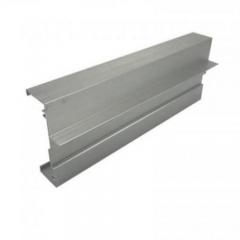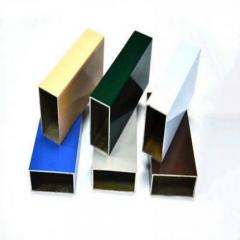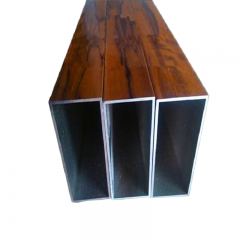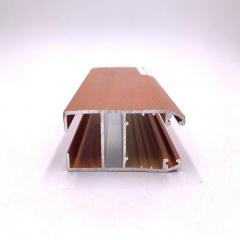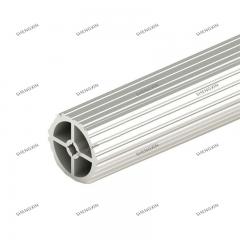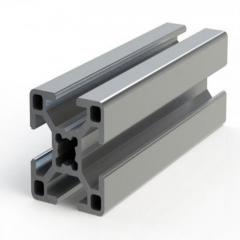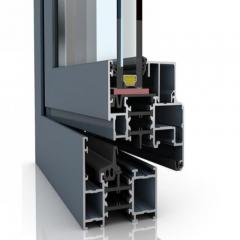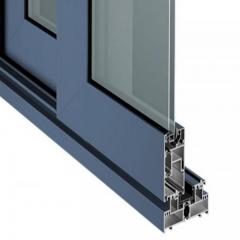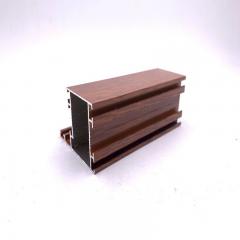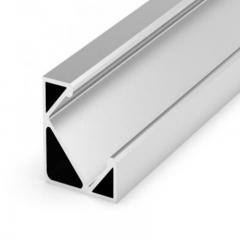
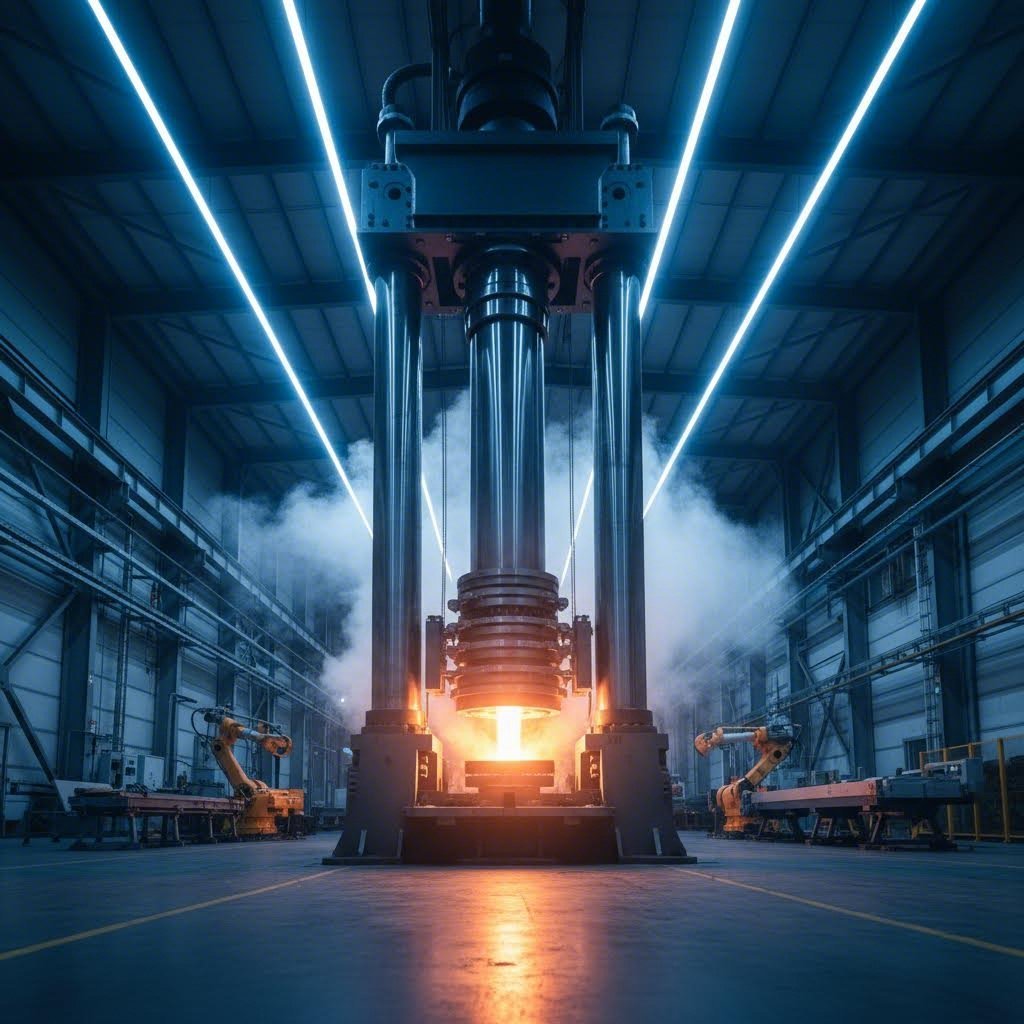
Ever wondered how those perfectly shaped aluminum profiles in your window frames, electronics enclosures, or industrial machinery come to life? The answer lies within the walls of an aluminum extrusion factory—a specialized manufacturing facility where raw aluminum transforms into precision-engineered shapes through heat, pressure, and expert craftsmanship.
An aluminum extrusion factory is a comprehensive production facility designed to convert aluminum billets into custom profiles by forcing heated metal through specially designed dies. Think of it like squeezing toothpaste through a tube opening, except instead of paste, you're working with softened aluminum heated to temperatures between 700°F and 930°F (375°C to 500°C). The result? Continuous lengths of aluminum with precisely engineered cross-sectional shapes.
At its heart, the extrusion process relies on powerful hydraulic presses that can exert anywhere from 100 to 15,000 tons of pressure. When the press ram applies force to a preheated aluminum billet, something remarkable happens. The billet first compresses against the die, becoming shorter and wider until the container walls stop its expansion. Then, with nowhere else to go, the softened aluminum begins flowing through the shaped die opening—emerging on the other side as a fully formed profile.
The aluminum never actually melts during this process. With aluminum's melting point sitting at approximately 1,220°F (660°C), factories carefully heat billets to a temperature that makes them malleable enough to extrude while maintaining their solid state. This precise temperature control is what separates quality aluminum extrusion factories from the rest.
These specialized facilities have become cornerstones of modern industry for good reason. Aluminum offers an unbeatable combination of properties: it weighs about one-third as much as steel, resists corrosion naturally, conducts heat and electricity efficiently, and remains infinitely recyclable. When you add the design flexibility that extrusion provides, you understand why industries from architecture to aerospace rely on these manufacturing hubs.
The eastern aluminum extrusion factory landscape, for instance, has grown substantially to meet demands from construction, automotive, and electronics sectors. These facilities produce everything from simple rectangular bars to complex hollow profiles with intricate internal geometries.
What makes an aluminum extrusion factory truly impressive is the scope of integrated operations happening under one roof. A complete facility encompasses multiple specialized departments working in coordination to transform raw material into finished, ready-to-ship products.
Here are the key components found in a typical aluminum extrusion factory:
Understanding this factory ecosystem helps buyers and engineers appreciate what goes into producing the aluminum profiles they specify. Each department plays a critical role in ensuring the final product meets exacting standards for strength, appearance, and dimensional precision. As we explore deeper into each stage of production, you'll gain the knowledge needed to work effectively with aluminum extrusion factories and make informed sourcing decisions.
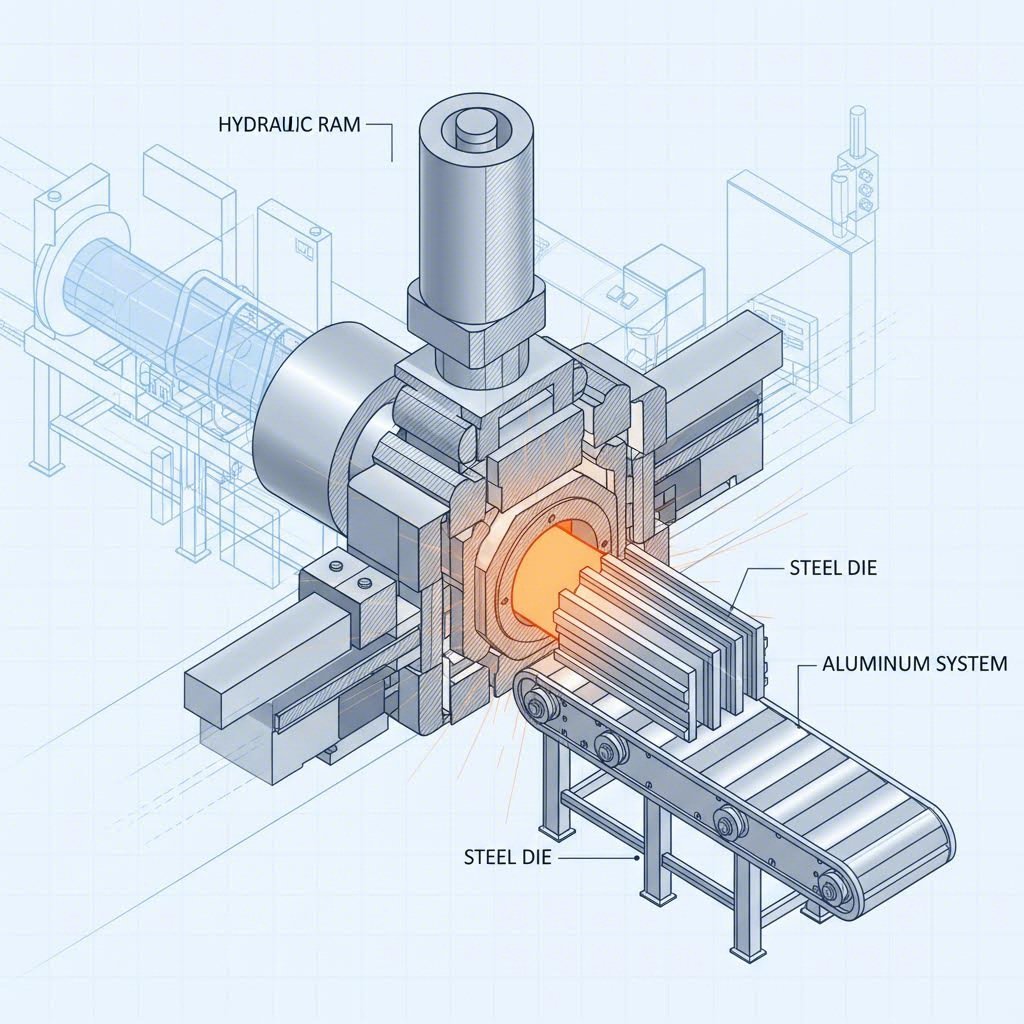
Sounds complex? It actually is—but understanding each stage of the extrusion process helps you appreciate why certain specifications matter and how factory capabilities affect your final product. Let's walk through the complete journey from raw billet to extruded profile, covering every critical phase that happens inside a precision aluminum extrusion factory.
Everything starts with the aluminum billet—a solid cylindrical log typically ranging from 6 to 9 inches in diameter. Before any extrusion can occur, these billets must undergo careful preparation and precise heating to reach optimal malleability.
The heating process requires maintaining billet temperatures between 800°F and 925°F (approximately 427°C to 496°C). Why this specific range? Temperature is the most critical factor in giving aluminum its desired characteristics. Heat the billet too high, and you'll see bubbles, cracks, surface scratches, or even burrs from aluminum sticking to the mold. Keep it too low, and the tensile strength becomes unacceptable—plus extrusion speed drops dramatically.
Different alloys behave uniquely during this phase. For instance, a 6063 aluminum extrusion factory must carefully manage temperatures because this popular alloy performs optimally when heated between 470°C and 500°C. The 6063 alloy's higher silicon content provides excellent extrudability, making it the go-to choice for architectural applications requiring fine surface finishes.
Once heated, a thin film of lubricant or smut is applied to both the billet and the ram. This parting agent prevents the two surfaces from sticking together during the intense pressure that follows.
Here's where the transformation happens. The heated billet transfers to the press cradle, and the real magic begins. Modern aluminum extrusion technology factory operations rely on hydraulic presses that generate tremendous force—and press tonnage directly determines what profiles you can produce.
Imagine trying to squeeze that softened aluminum through a precisely shaped opening. Smaller 600-ton presses handle simpler, smaller cross-sections efficiently. But when you need complex hollow profiles, intricate multi-void shapes, or larger circumscribing circles, you're looking at machines ranging up to 5,500 tons or more. The larger the press, the greater the capability for profile complexity and size.
Here's the sequential manufacturing process that occurs:
An aluminum alloy extrusion factory must carefully balance extrusion speed with temperature. According to industry research, the outlet temperature should stay between 550°C and 575°C—high enough to ensure proper metal properties, but below the solidus temperature to prevent tearing and surface defects.
When profiles exit the press, they're still extremely hot and relatively soft. What happens next determines whether your finished product meets tight dimensional tolerances.
Cooling systems along the run-out table rapidly reduce the profile temperature. An aluminum extrusion bar factory might use simple fan cooling for solid sections, while an aluminum extrusion tube factory producing hollow profiles may require more aggressive water mist or full water quench systems. The cooling method depends on extrusion speed, wall thickness, and required mechanical properties—particularly strength requirements.
Three primary quenching methods exist:
After cooling, profiles move to the stretcher—a critical step often overlooked. Stretching accomplishes two essential functions: it straightens any twists or bows that developed during extrusion and cooling, and it performs work hardening through molecular re-alignment. This re-alignment improves both hardness and strength in the final product.
Finally, the stretched profiles proceed to precision saws where they're cut to specified lengths. The cutting tolerance typically holds at 1/8 inch or tighter, depending on saw length and customer requirements. From there, cut pieces load onto transport devices headed for aging ovens, where artificial heat treatment speeds the aging process to develop optimal mechanical properties.
Understanding these manufacturing stages helps you evaluate factory capabilities more effectively. When you know that press tonnage affects profile complexity, or that proper quenching determines strength characteristics, you're better equipped to select the right manufacturing partner for your specific application needs.
You've seen how aluminum billets transform under intense heat and pressure—but none of that matters without the right die. Think of the extrusion die as the heart of the entire operation. This thick steel disk with its precisely engineered opening determines exactly what shape emerges from the press. Whether you're sourcing simple angle brackets or complex multi-void profiles, understanding die fundamentals helps you make smarter purchasing decisions and anticipate project costs.
Every unique aluminum profile requires its own custom die. At an aluminum extrusion mold factory, skilled toolmakers transform your CAD drawings into precision tooling capable of withstanding forces exceeding 15,000 tons.
Dies are typically manufactured from H13 tool steel—a material chosen specifically for its heat resistance and toughness under extreme pressure. The manufacturing process involves CNC machining, electrical discharge machining (EDM) for intricate internal features, and careful heat treatment to achieve optimal hardness.
But here's what many buyers don't realize: die development is fundamentally a collaborative process. The most successful projects involve early communication between your design team, the die shop, and the extruder. Why? Because small design modifications—like avoiding abrupt transitions, maintaining consistent wall thickness, or using symmetrical shapes—can dramatically reduce tooling costs and extend die life.
An aluminum extrusion shapes factory will typically request your 2D and 3D drawings with complete tolerances before beginning die production. Confirming wall thickness minimums, alloy type, and finish compatibility upfront prevents expensive reworks down the line.
Let's address the question on every buyer's mind: how much will tooling actually cost? The answer depends on several factors that aluminum extrusion mold factories evaluate for every project.
Profile complexity drives pricing more than anything else. A simple solid bar requires minimal machining, while a multi-void hollow section demands advanced die design, mandrel components, and longer CNC machining time. The circumscribing circle diameter (CCD)—the outermost dimension your profile fits within—also matters significantly. Larger CCDs require bigger die blocks, more raw material, and extended machining.
Here's what typical die costs look like based on industry data:
| Die Type | Structure | Typical Cost Range | Common Applications |
|---|---|---|---|
| Solid Die | One-piece, no bridge or mandrel | $300–$800 | Angles, channels, flat bars |
| Semi-Hollow Die | Narrow openings, partial bridge | $800–$1,500 | Mounting brackets, C-channels |
| Hollow Die | Mandrel and bridge assembly | $1,000–$3,000 | Tubes, square hollow sections |
| Multi-Cavity Die | Multiple cavities in one die | $1,500–$5,000+ | LED housings, heat sink fins, rail clips |
Lead times typically range from 7 to 20 working days depending on complexity. For prototype stages, tooling cost represents a significant portion of your project budget. But in mass production, that same die cost gets diluted across thousands of kilograms of extruded material—sometimes dropping to just $0.05 per kilogram when properly amortized.
The precision of your die directly determines the quality of every profile that comes off the press. High-quality dies from experienced aluminum extrusion profile factory partners produce profiles with exact dimensions, smooth surfaces, and consistent mechanical properties.
Understanding the three die types helps you anticipate both costs and capabilities:
Every die also needs support tooling to withstand press forces. Backers sit directly behind the die to reduce deformation and prevent fracturing. Bolsters provide additional support behind the backer. This complete "tool stack" controls extrusion speed and enables tighter tolerances.
An aluminum extrusion channel profiles factory producing architectural sections must balance die complexity against longevity. Solid dies typically last for 20,000 to 50,000 kg of extrusion, while hollow dies may only handle 10,000 to 30,000 kg before requiring replacement. Harder alloys like the 7000 series can reduce die life by up to 30% due to increased wear.
The relationship between die complexity and project costs is straightforward: more intricate profiles require more sophisticated tooling, longer machining times, and more frequent die replacement. But smart design choices—maintaining symmetry, avoiding undercuts, keeping wall thickness consistent between 1.2 and 2.5 mm—can reduce iterations and extend the working life of your investment. When you understand these fundamentals, you're better positioned to work with your manufacturing partner on designs that balance performance requirements with practical cost considerations.
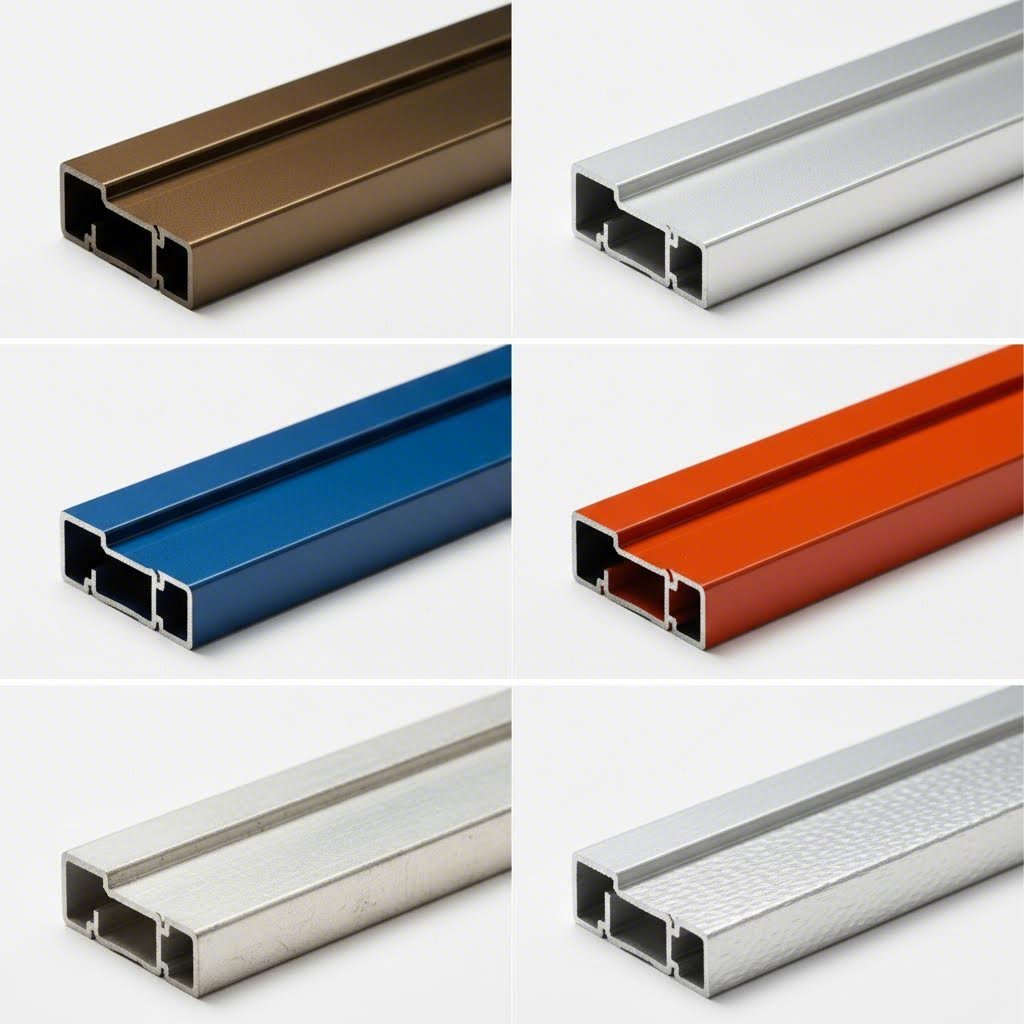
You've watched raw aluminum transform into precision profiles through heat, pressure, and expertly designed dies. But here's the thing—a freshly extruded profile isn't ready for real-world use. That raw "mill finish" aluminum remains vulnerable to scratches, stains, and oxidation. What truly elevates an aluminum extrusion profiles factory from good to exceptional? Its surface treatment capabilities.
Surface finishes do more than make profiles look attractive. They enhance corrosion resistance, improve wear durability, and enable color customization that meets exact architectural specifications. Understanding these options helps you specify the right treatment for your application—whether you're designing coastal building facades or precision heat management components.
When you need a finish that's truly integrated with the metal itself, anodizing delivers. Unlike paints or coatings that sit on top of aluminum, anodizing uses an electrochemical process to grow a super-hard aluminum oxide layer directly from the metal's surface.
Here's how it works: the aluminum profile gets submerged in an acid bath while an electric current passes through. This stimulates the naturally-occurring oxide layer to grow thicker—sometimes reaching 25 microns or more for architectural applications. The resulting surface bonds permanently to the substrate, meaning it won't chip, peel, or flake under normal conditions.
What makes anodizing particularly valuable for an anodized aluminum extrusion factory is the combination of performance and aesthetics it delivers:
That said, anodizing has limitations. The color palette isn't as extensive as powder coating, and achieving consistent color across large production runs requires precise process control. For an anodized aluminum extrusion factory in China or elsewhere, maintaining bath chemistry and electrical parameters within tight tolerances separates quality producers from the rest.
When your project demands vibrant colors, specific RAL matches, or textured finishes, powder coating becomes the go-to choice. This dry-application process uses electrostatically charged powder particles that adhere to grounded aluminum parts before heat-curing into a smooth, durable finish.
The powder coating process offers several compelling advantages. You get access to virtually unlimited color options—including metallics, textures, and wood-grain effects through sublimation transfers. The finish provides excellent corrosion resistance when the coating remains intact, and the process produces minimal waste since overspray powder gets collected and reused.
From an environmental standpoint, powder coating edges out liquid painting significantly. No volatile organic compounds (VOCs) release during application, making it safer for workers and easier to meet environmental regulations.
However, powder coatings aren't as hard as anodized surfaces. They can chip or scratch under impact, exposing the underlying aluminum. For applications involving repeated contact or abrasive conditions, this matters. The typical coating thickness of 60-120 microns also means powder coating adds more dimensional change than anodizing—something to consider for precision-fit components.
Beyond the standard options, specialized applications demand advanced treatment technologies. An aluminum extrusion heatsink factory, for instance, might require treatments optimized specifically for thermal management rather than aesthetics.
PVDF Coatings: Architects consider PVDF (Polyvinylidene Fluoride) the gold standard for exterior applications. Applied as a liquid and baked at high temperatures, PVDF coatings—often marketed under the Kynar 500 brand—deliver exceptional UV resistance and color stability that can last 20+ years on building facades. They resist chalking and fading even in harsh coastal or industrial environments where other finishes fail.
Micro-Arc Oxidation (MAO): For extreme performance requirements, micro-arc oxidation represents the cutting edge. Originally developed to protect spacecraft, MAO uses plasma discharges to create ceramic oxide layers that achieve 2-4 times the hardness of conventional anodizing. An aluminum extrusion heatsink factory serving aerospace or high-performance electronics might specify MAO when standard anodizing simply isn't tough enough.
MAO coatings can withstand over 2,000 hours in salt spray testing—compared to roughly 200 hours for conventional anodizing. The process also produces no hazardous waste, using 99% distilled water in the electrolyte bath.
Choosing the right surface treatment requires balancing durability, appearance, cost, and application requirements. This comparison helps clarify which option fits your specific needs:
| Treatment Type | Durability | Cost Factor | Color Options | Ideal Applications |
|---|---|---|---|---|
| Anodizing | Excellent hardness, wear resistant | Medium | Limited palette, integrated color | Electronics, premium windows, precision parts |
| Powder Coating | Good impact resistance, can chip | Low-Medium | Unlimited colors, textures, wood grain | Furniture, fencing, general architectural |
| PVDF Coating | Exceptional UV/fade resistance | High | Wide range, matte finishes | Building facades, curtain walls, roofing |
| Micro-Arc Oxidation | Superior hardness, thermal stability | Very High | Limited | Aerospace, high-performance thermal management |
| Sublimation | Moderate | Medium-High | Patterns, wood appearance | Outdoor furniture, decorative window frames |
The "best" treatment ultimately depends on your specific application, environment, and budget. Architectural projects in harsh coastal climates benefit from PVDF's exceptional weathering resistance. Consumer electronics might prioritize anodizing's premium feel and scratch resistance. Industrial equipment often favors powder coating's cost-effectiveness and color flexibility.
What distinguishes quality aluminum extrusion factories is their ability to offer multiple treatment options in-house—giving you flexibility without managing multiple vendors. When surface treatment happens under the same roof as extrusion and fabrication, you get better quality control, faster turnaround, and more consistent results across your entire order.
You've aluminum from heated billet through precision dies and surface treatment—but how do you know the finished profiles actually meet your specifications? This is where quality control separates reliable manufacturing partners from the rest. In industries like aerospace, medical devices, and automotive, a fraction of a millimeter can determine whether a component performs flawlessly or fails catastrophically. Understanding how an aluminum extrusion parts factory maintains quality throughout production helps you evaluate potential suppliers and set realistic expectations for your projects.
Every extruded profile must meet specific dimensional requirements before shipping. But what does that verification process actually look like inside a precision aluminum extrusion factory?
Quality starts with the right measurement tools. Modern facilities rely on a combination of traditional instruments and advanced technology:
The inspection frequency matters as much as the equipment used. At a quality-focused aluminum extrusion cnc factory, dimensional checks occur at multiple stages—not just final inspection. Operators monitor first-article samples when a new die enters production, conduct periodic checks during extrusion runs, and perform comprehensive verification before profiles move to finishing operations.
What tolerances should you expect? Standard commercial tolerances typically hold dimensions within ±0.012 inches per inch of profile width. However, aluminum extrusion machining factories serving precision industries can achieve significantly tighter specifications—sometimes ±0.005 inches or better—through careful process control and post-extrusion machining.
Dimensional accuracy means nothing if the underlying material doesn't meet specifications. That's why reputable aluminum extrusion parts factories implement rigorous material verification from the moment raw billets arrive.
Every quality facility maintains complete traceability from billet to finished product. According to Profile Precision Extrusions, all billet is stamped with alloy designation and vendor lot numbers, with each lot traceable to certified chemical composition reports kept on file indefinitely.
Material testing encompasses several key areas:
When you receive profiles from a quality aluminum extrusion connectors factory, you should expect material certifications (mill test reports) documenting actual chemical composition, applicable specifications, and lot traceability. This documentation proves essential for regulated industries and provides recourse if material issues emerge during your own production.
Individual inspections matter, but systematic quality management ensures consistency across every order. When evaluating an aluminum extrusion parts factory, certifications tell you whether formal systems exist to prevent defects rather than just catch them.
ISO 9001 represents the baseline certification for quality management. This internationally recognized standard confirms a manufacturer has documented processes covering everything from initial inquiry to final shipment. It mandates regular internal audits, corrective actions for non-conformities, and commitment to continuous improvement.
For specialized applications, additional certifications indicate enhanced capabilities:
| Certification | Focus Area | Key Requirements | Industries Served |
|---|---|---|---|
| ISO 9001 | General quality management | Documented processes, continuous improvement | All industries |
| AS9100 | Aerospace quality systems | Safety, airworthiness, traceability | Aerospace, defense |
| IATF 16949 | Automotive quality systems | Defect prevention, variation reduction | Automotive supply chain |
| ISO 14001 | Environmental management | Waste reduction, compliance | Environmentally-conscious buyers |
Beyond certifications, ask potential suppliers about their specific quality checkpoints. A comprehensive aluminum extrusion cnc factory should maintain documented inspection stages throughout production:
Extrusion produces continuous profiles, but most applications require additional fabrication—cutting to length, drilling mounting holes, milling slots, or bending sections. This is where CNC machining centers become critical quality enablers.
Modern aluminum extrusion machining factories integrate multi-axis CNC equipment directly into their production flow. These computer-controlled machines deliver repeatability that manual operations simply cannot match. When you need 10,000 brackets with identical hole patterns, CNC machining ensures the first piece and the ten-thousandth piece meet the same specifications.
Common secondary operations include:
The integration of CNC capabilities within an aluminum extrusion connectors factory means tighter control over the entire manufacturing process. Rather than shipping profiles to external machine shops—introducing shipping damage risks, communication gaps, and extended lead times—in-house machining maintains custody and quality oversight from extrusion through finished part.
When evaluating manufacturing partners, understanding their quality systems gives you confidence that specified tolerances, material properties, and surface finishes will arrive consistently, order after order. This foundation of quality control enables the diverse industry applications we'll explore next—from architectural systems requiring aesthetic perfection to thermal management components demanding precise dimensional control.
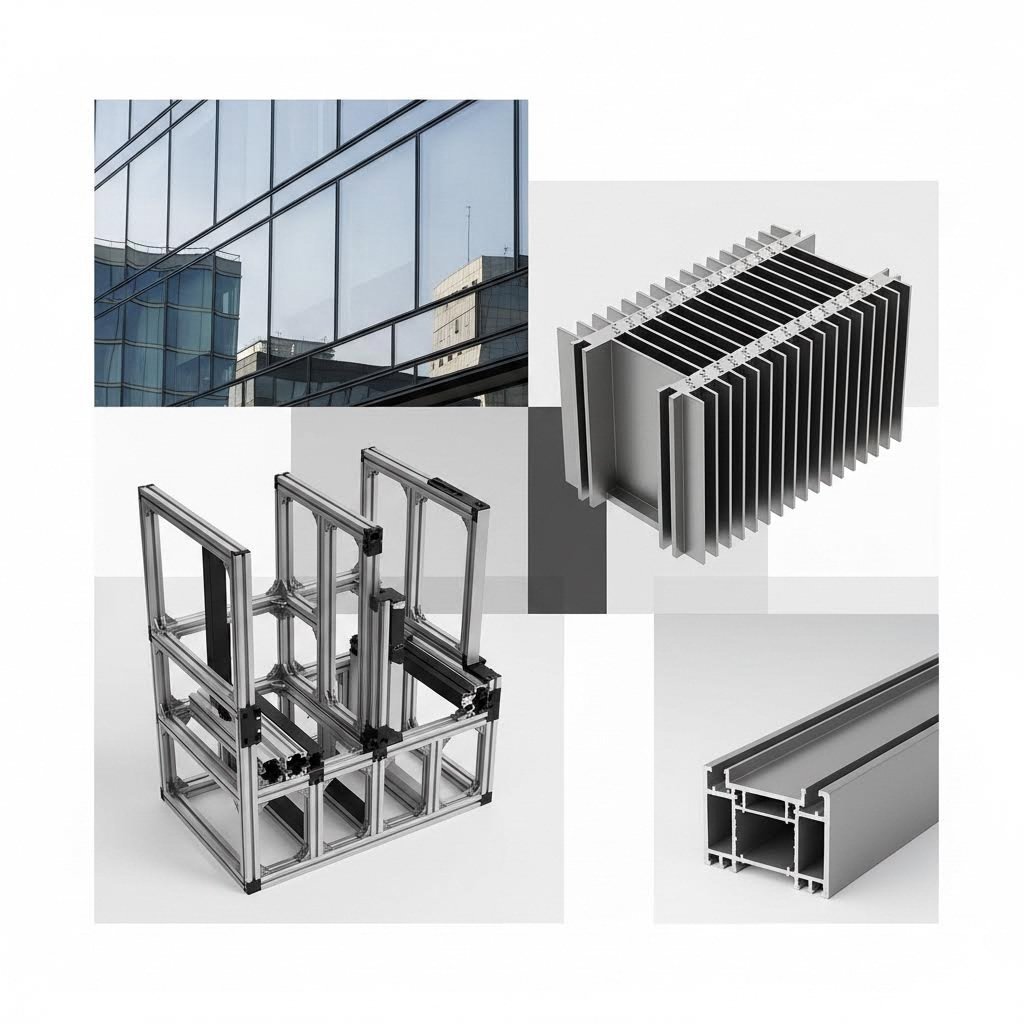
Now that you understand how quality aluminum profiles get manufactured, inspected, and certified—where do they actually end up? The versatility of extruded aluminum means these profiles find their way into nearly every industry imaginable. From the window frames in high-rise buildings to the heat sinks cooling your laptop's processor, specialized manufacturing facilities produce profiles engineered for remarkably different performance requirements.
Understanding these application categories helps you identify what type of manufacturing partner best fits your project. An aluminum window extrusion profiles factory optimized for architectural work develops different capabilities than an aluminum extrusion heat sink factory focused on thermal management. Let's explore the major sectors and see how factory specialization shapes outcomes.
Walk through any modern city and you're surrounded by extruded aluminum. Those sleek glass-and-metal facades? The window frames, door systems, and curtain wall mullions all start as aluminum billets transformed through the extrusion process.
Architectural applications represent one of the largest markets for aluminum extrusion. According to Taber Extrusions, aluminum's ability to withstand extreme temperatures ranging from -80°C to +300°C makes it ideal for building facades exposed to harsh weather conditions. Add its natural corrosion resistance and lightweight properties—about one-third the weight of steel—and you understand why architects specify aluminum so frequently.
An aluminum window frame extrusions factory typically produces several profile categories:
The distinction between curtain walls and window walls matters for specifiers. Curtain walls attach to the building's floor slabs like decorative curtains—they're non-load-bearing but require fire-stopping between floors. Window walls sit between floor slabs, eliminating fire-stopping needs and reducing installation complexity. An aluminum door extrusion factory serving commercial construction must understand these distinctions to provide appropriate profiles.
Quality architectural profiles demand tight tolerances on visible surfaces, consistent anodizing or powder coating acceptance, and dimensional stability that ensures proper hardware function over decades of use.
Beyond buildings, aluminum extrusions power manufacturing floors, automation systems, and industrial equipment worldwide. These applications prioritize structural integrity and precise dimensional tolerances over aesthetic finish.
T-slot framing systems exemplify industrial aluminum extrusion applications. These modular profiles—featuring standardized slot configurations along their faces—enable rapid assembly of machine guards, workstations, conveyor frames, and custom equipment enclosures. Engineers can bolt together complex structures without welding, then reconfigure them as production requirements evolve.
Industrial applications from aluminum extrusion enclosure factory operations include:
An aluminum extrusion enclosures factories serving industrial markets must maintain tight tolerances across long production runs. When thousands of T-slot sections need to connect seamlessly, even minor dimensional variations create assembly problems. This demands consistent process control from billet heating through final cutting.
Perhaps nowhere is aluminum extrusion capability more critical than in electronics cooling. As devices grow more powerful while shrinking in size, effective heat dissipation becomes essential for reliability and performance.
According to BRT Extrusions, heat sinks based on aluminum extrusions have emerged as efficient cooling solutions specifically because of aluminum's excellent thermal conductivity. The extrusion process enables creation of intricate fin structures that maximize surface area—the key factor in heat dissipation efficiency.
An aluminum heatsink extrusion factory produces profiles optimized for thermal performance through several design strategies:
Beyond heat sinks, electronics enclosures represent another specialty category. These profiles provide EMI shielding, environmental protection, and thermal management simultaneously. An aluminum extrusion enclosure factory serving electronics OEMs must achieve tight dimensional tolerances ensuring proper lid fit, consistent wall thickness for shielding effectiveness, and surface finishes compatible with grounding requirements.
Common electronics and thermal management applications include:
The following table organizes major application categories, helping you identify which profile types align with your industry requirements:
| Industry Sector | Common Profile Types | Key Performance Requirements | Typical Alloys |
|---|---|---|---|
| Architectural/Construction | Window frames, door sections, curtain wall mullions, storefronts | Surface finish quality, thermal break compatibility, long-term durability | 6063, 6060 |
| Industrial Equipment | T-slot framing, machine guards, conveyor rails, structural members | Dimensional consistency, mechanical strength, assembly compatibility | 6061, 6082 |
| Electronics/Thermal | Heat sinks, enclosures, chassis, LED housings | Thermal conductivity, tight tolerances, EMI shielding capability | 6063, 1050, 6061 |
| Transportation | Structural members, trim, crash rails, luggage racks | Weight reduction, crash performance, corrosion resistance | 6061, 6082, 7xxx series |
| Solar/Renewable Energy | Mounting rails, frame sections, tracker components | Outdoor durability, installation efficiency, cost optimization | 6063, 6005A |
| Consumer Products | Furniture frames, sporting goods, appliance components | Aesthetic finish, weight optimization, cost-effectiveness | 6063, 6061 |
Here's something buyers often overlook: not all aluminum extrusion factories serve all markets equally well. Specialization matters significantly for quality outcomes and cost efficiency.
An aluminum window extrusion profiles factory builds expertise in architectural finishing, develops relationships with coating specialists, and invests in equipment optimized for long, straight profiles with complex thermal break geometries. Their die designs, press parameters, and quality systems align with construction industry specifications.
Conversely, an aluminum extrusion heat sink factory invests in presses capable of producing dense fin arrays, develops expertise in alloys optimized for thermal conductivity, and builds quality systems around dimensional precision rather than surface appearance. They understand thermal simulation, can recommend fin spacing for specific airflow conditions, and often integrate CNC machining for precise mounting features.
When selecting a manufacturing partner, consider whether their specialization aligns with your application requirements. A factory producing primarily architectural profiles may struggle with the tight tolerances heat sink applications demand. Similarly, an industrial-focused extruder might lack the finishing capabilities architectural projects require.
The best outcomes come from matching your project needs with factory expertise. Ask potential suppliers what industries they primarily serve, request samples from similar applications, and evaluate whether their quality systems address your specific performance requirements. This alignment between application demands and manufacturing capability sets the foundation for successful sourcing relationships—whether you're working with domestic suppliers or exploring international options.
You've identified your application requirements and understand what quality systems to look for—but where should your aluminum profiles actually come from? This decision used to boil down to a simple price comparison. Whoever quoted the lowest per-pound rate typically won the business. That equation has fundamentally changed.
Today, sourcing from an aluminum profile extrusion factory involves weighing lead times, compliance risks, tariff exposure, communication factors, and total landed costs. According to Monarch Metal's 2025 sourcing analysis, with Build America, Buy America (BABA) rules now fully enforced, Section 232 tariffs reaching 50-100%, and UFLPA forced-labor scrutiny on imports, U.S. buyers are rethinking how and where their extrusion programs should run.
Domestic sourcing isn't just about patriotism—it's increasingly a strategic business decision. U.S.-based aluminum extrusion factories offer compelling advantages that extend well beyond faster shipping times.
Consider the lead time difference. Domestic extruders routinely turn around dies and production runs in three to eight weeks once billet is booked. For repeat orders with existing tooling, lead times can drop to as low as two weeks from order to delivery. Compare that to ocean freight from China averaging 32 days door-to-port for West Coast destinations, or 52 days to the East Coast—not counting customs clearance and drayage.
When your projects demand rapid iteration, domestic partnerships shine:
For projects tied to public infrastructure, aerospace, or OEM assemblies requiring strict documentation, domestic sourcing isn't just faster—it's safer from a compliance standpoint.
Foreign extrusion mills still make sense under the right conditions. If your demand is steady, high-volume, and price-sensitive, importing can deliver meaningful savings—provided you have working capital to manage longer inventory pipelines.
An aluminum extrusion profile factory in China, for instance, can offer lower unit prices at scale, particularly for standardized profiles or large architectural projects. Similarly, an aluminum window extrusion profiles factory in China or aluminum door extrusion factory in China may provide cost advantages for high-volume construction contracts where specifications remain stable over extended production runs.
Regional options extend beyond China. An aluminum extrusion factory in UAE serves buyers seeking Middle Eastern manufacturing with potentially favorable logistics for European or Asian markets. These alternatives diversify supply chain risk while maintaining competitive pricing.
However, those savings must be weighed against real challenges:
For buyers with predictable schedules and no BABA obligations, offshore sourcing can still work. Just ensure your landed cost model accounts for every variable—not just the quoted price.
Smart sourcing teams calculate total landed cost (TLC) rather than fixating on per-pound pricing. The difference between these approaches can mean the difference between actual savings and hidden losses.
Here's the real equation:
TLC = Ex-works price + Freight + Duties + Tariffs + Compliance costs + Carrying cost + Risk buffer
Even small shifts in freight time or tariff rates dramatically change the math. Consider this scenario: an eight-week ocean cycle forces you to carry two extra months of inventory. At an 18% annual carrying cost, that inventory burden can erase a 5-8% price advantage overnight. Add the constant uncertainty of tariff changes—due at time of receipt—and cost projections become moving targets.
Aluminum commodity pricing further complicates quotes from any supplier. Watch these key benchmarks:
According to Orange Aluminum's market analysis, the recent 50% tariff escalation has reignited price pressures across these benchmarks, with the Midwest Transaction Price and Premium both seeing marked increases as demand shifts toward domestic supply.
This comparison helps clarify the trade-offs between sourcing strategies:
| Factor | Domestic Sourcing | International Sourcing |
|---|---|---|
| Lead Time (with tooling) | 3-8 weeks; 2 weeks for repeat orders | 8-16 weeks including ocean transit |
| Minimum Order Quantity | Lower, more flexible for LTC orders | Higher, container-quantity economics |
| Unit Price | Generally higher | Lower at volume, before tariffs |
| Tariff Exposure | None | 50-100% on certain imports |
| Communication | Same timezone, no language barriers | Time zone gaps, potential translation issues |
| BABA Compliance | Typically meets requirements | Requires specific waivers for federal projects |
| Quality Verification | Direct factory visits feasible | Requires third-party inspection services |
| Design Iteration Speed | Fast DFM feedback loops | Slower iteration cycles |
| Inventory Carrying Cost | Lower—shorter pipelines | Higher—longer transit and safety stock |
| Supply Chain Risk | Port strikes, regional disruptions | Geopolitical, tariff changes, shipping delays |
Regardless of where you source, expect tooling costs when developing custom profiles. Die charges typically range from $300 for simple solid dies to $3,000+ for complex hollow sections—and these costs apply whether you're working domestically or internationally.
Some buyers cut master dies domestically for IP protection, then send licensed replicas overseas once qualified. This hybrid approach protects proprietary designs while capturing offshore cost advantages for production runs.
The smartest sourcing strategies often blend both options:
Understanding these trade-offs positions you to build resilient supply chains that balance cost efficiency with operational flexibility. The next step involves translating this knowledge into productive partnerships with your chosen manufacturing partners—a process that demands clear communication, realistic expectations, and long-term relationship building.
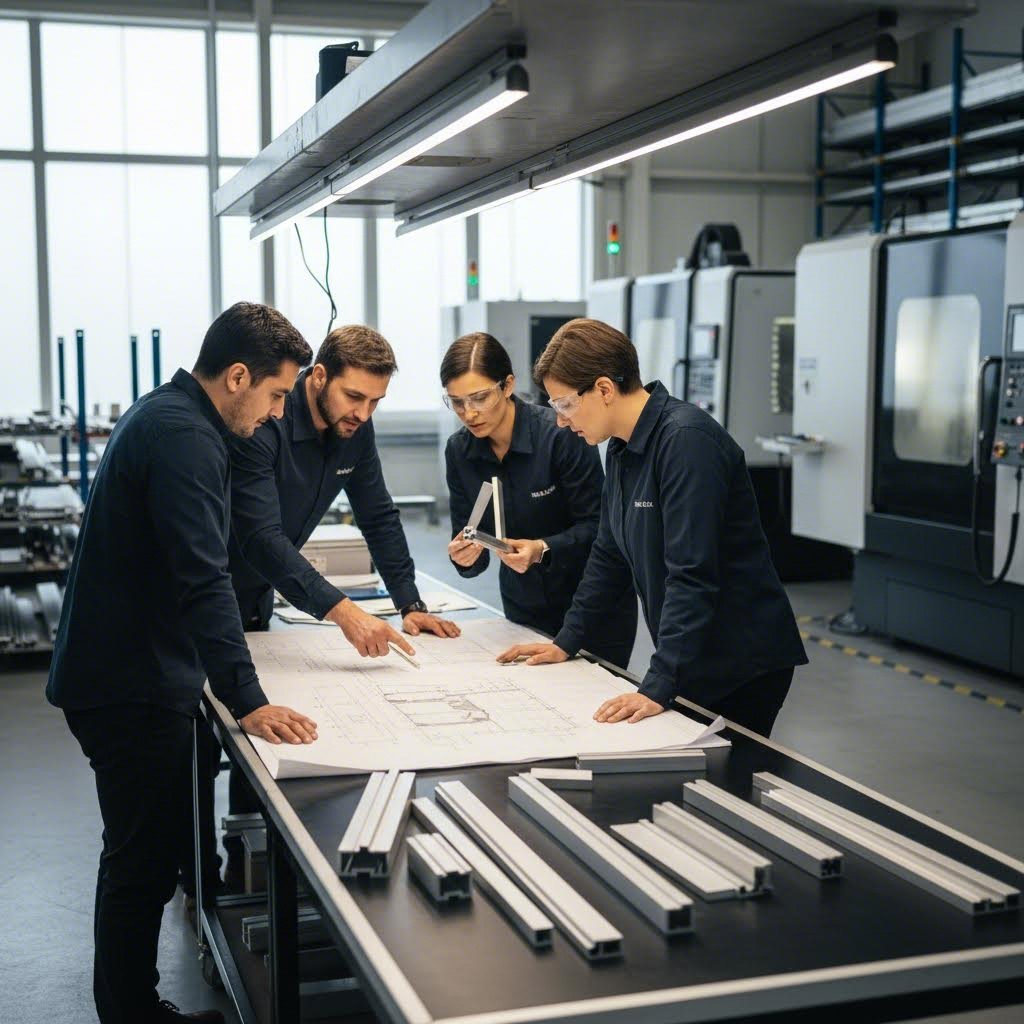
You've researched manufacturing processes, evaluated domestic versus international options, and identified what quality standards matter for your application. Now comes the practical question: how do you actually work with an aluminum extrusion factory to bring your project from concept to reality? The buyer journey involves far more than submitting drawings and waiting for quotes. Successful partnerships require clear communication, collaborative design optimization, and realistic timeline expectations from the very first conversation.
Imagine you're reaching out to an aluminum extrusion frame factory for the first time. What happens next determines whether your project launches smoothly or encounters frustrating delays. Understanding the typical engagement sequence helps you prepare the right information upfront—saving weeks of back-and-forth.
The journey typically unfolds in these stages:
The most successful projects involve customers who provide complete information at the inquiry stage. According to industry sourcing guidance, gathering comprehensive details about alloys, tolerances, secondary operations, and surface finishes upfront prevents costly miscommunications later.
Here's where quality aluminum profile extrusion factories truly differentiate themselves. Rather than simply executing your drawings as-submitted, the best partners actively contribute engineering expertise that improves outcomes while reducing costs.
Design for Manufacturability (DFM) feedback represents one of the most valuable services a factory provides. Experienced engineers might suggest:
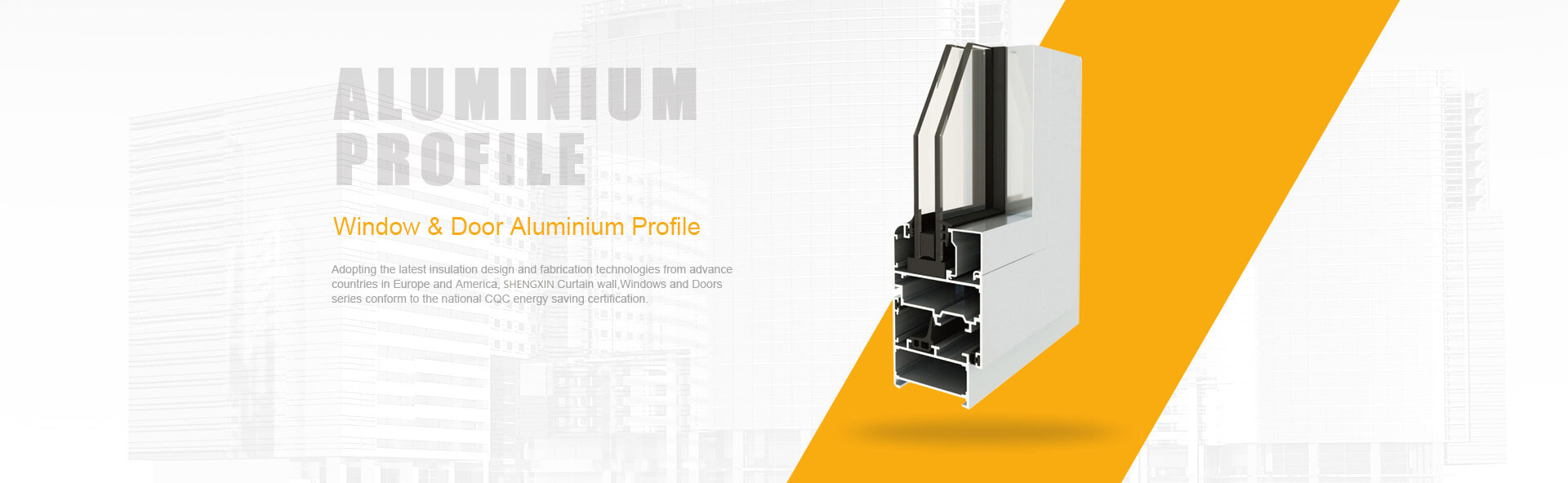
For buyers seeking integrated manufacturing solutions, companies like Shengxin Aluminium exemplify the comprehensive partnership model. With over 30 years of industry experience and 35 extrusion presses ranging from 600T to 5500T, their technical team provides end-to-end support from die development through mass production. This depth of capability—including state-of-the-art CNC machining centers for precise cutting, drilling, and bending—means buyers can consolidate their supply chain rather than coordinating multiple vendors.
An aluminum extrusion customized parts display factory serving retail fixtures, for example, benefits from this integrated approach. When extrusion, machining, and finishing happen under one roof, quality control remains consistent and lead times compress significantly.
The difference between transactional purchasing and strategic partnerships becomes apparent over time. Buyers who invest in relationships with their aluminum extrusion companies factory partners gain advantages that compound with each project:
For an aluminum profile extrusion frame factory relationship to thrive, both parties must communicate openly about expectations. Discuss production forecasts, even if informal. Share upcoming project timelines. Provide feedback on quality and delivery performance. This transparency enables your manufacturing partner to plan capacity and prioritize your needs appropriately.
Before committing to any aluminum framing extrusion factory, gather information that reveals their true capabilities and reliability. The following questions help you evaluate whether a potential partner aligns with your requirements:
According to PTSMAKE's manufacturer evaluation guide, looking beyond price to assess technical expertise, communication responsiveness, design support capabilities, and verified quality systems proves essential for selecting partners who deliver consistent results.
One of the most common sources of friction between buyers and factories involves lead time misalignment. Understanding what drives production timelines helps you plan effectively and communicate realistic schedules to your stakeholders.
Several factors influence how quickly you'll receive finished profiles:
For repeat orders with existing dies, experienced aluminum extrusion frame factory partners can often deliver within 2-4 weeks. New custom profiles requiring die development typically need 6-10 weeks from order to delivery, depending on complexity and factory capacity.
The most productive partnerships involve early communication about upcoming needs. Sharing 3-6 month demand forecasts—even rough estimates—helps your factory partner plan capacity and maintain appropriate billet inventory. This proactive approach prevents rush charges and delivery disappointments when your project timeline suddenly accelerates.
As you build these manufacturing relationships, environmental considerations increasingly influence partner selection. Forward-thinking buyers now evaluate factory sustainability practices alongside traditional capability metrics—a topic we'll explore in the final section of this guide.
You've learned how to evaluate manufacturing capabilities, compare sourcing options, and build productive factory partnerships. But there's one more factor increasingly shaping purchasing decisions: environmental responsibility. Today's buyers—whether specifying architectural facades or electronics enclosures—face growing pressure to document the sustainability credentials of their supply chains. Understanding how aluminum alloy extrusion factories approach environmental performance helps you make informed choices that align with both business objectives and corporate responsibility goals.
How do you objectively compare the environmental footprint of different aluminum extrusion profiles factories? Environmental Product Declarations (EPDs) provide the answer. Think of an EPD as a "nutrition label" for materials—a standardized, third-party verified document that quantifies environmental impacts throughout a product's lifecycle.
The Aluminum Extruders Council (AEC) maintains industry-average EPDs covering North American aluminum extrusion production. These UL-certified declarations document cradle-to-gate environmental impacts based on actual production data from 30 facilities with nearly 100 extrusion presses—representing approximately 38% of North American production capacity.
EPDs quantify impacts across several categories:
For architects and engineers pursuing LEED certification or other green building standards, aluminum extrusion profiles factories that can reference industry EPDs provide documentation supporting sustainability claims. The AEC's current EPDs cover mill finish, painted, and anodized products—plus thermally improved versions for fenestration applications—giving specifiers comprehensive data for environmental assessments.
Here's where aluminum truly shines as a sustainable material choice. Unlike many materials that degrade with recycling, aluminum maintains its properties indefinitely through repeated recycling cycles. And the energy savings? They're remarkable.
Aluminum recycling saves 95% of the energy needed for primary aluminum production. The recycling process saves a similar percentage in greenhouse gas emissions—96.6% globally based on latest published data.
According to the International Aluminium Institute, the carbon footprint comparison is striking. In 2022, global primary aluminum production generated 15.1 tonnes of CO2 equivalent per tonne of metal. Recycled aluminum production? Just 0.52 tonnes of CO2 equivalent per tonne—a 96.6% reduction.
This matters enormously for aluminum alloy extrusion profiles factory operations because billet composition directly determines embodied carbon. The AEC's lifecycle analysis confirms that feedstock—the aluminum billet entering the extrusion process—represents the predominant factor in a profile's carbon footprint:
The implication is clear: buyers seeking lower-carbon aluminum profiles should prioritize recycled content. Shifting billet composition toward higher recycled percentages—or sourcing prime aluminum from producers using renewable energy—delivers more environmental benefit than any improvement in extrusion efficiency alone.
When you're vetting potential aluminum extrusion profiles factories, what environmental factors should you examine? Beyond asking about recycled content, several practices distinguish environmentally responsible manufacturers.
ISO 14001 Certification: This environmental management system standard indicates a factory has implemented systematic processes to monitor and improve environmental performance. It covers waste reduction, energy efficiency, emissions control, and regulatory compliance.
Waste Stream Management: Quality facilities minimize landfill contributions by recycling extrusion scrap, capturing and reusing quench water, and properly managing hazardous materials from surface treatment operations.
Energy Efficiency Investments: Modern furnaces, variable-frequency drives on press systems, and LED lighting throughout facilities reduce energy consumption per kilogram of extruded product.
Surface Treatment Controls: Anodizing and coating operations require careful management. Responsible aluminum alloy extrusion factories implement closed-loop water systems, neutralize effluent before discharge, and capture powder coating overspray for reuse.
For buyers building sustainable supply chains, these factory practices translate into tangible value. Lower embodied carbon supports green building certifications. Documented environmental systems satisfy corporate sustainability reporting requirements. And responsible manufacturing aligns with consumer expectations for environmentally conscious products.
The aluminum extrusion industry continues advancing toward lower-carbon production. As renewable energy penetrates primary aluminum smelting and recycled content increases across the supply chain, the environmental profile of extruded aluminum keeps improving. Partnering with forward-thinking manufacturers positions your organization to benefit from these advances—delivering products that perform excellently today while contributing to a more sustainable tomorrow.
Hydro Extrusion USA, LLC holds the distinction of being the largest aluminum extruder in the United States. Their Cressona, Pennsylvania facility is recognized as the largest aluminum extrusion plant in the world. Other major US extruders include Bonnell Aluminum, Taber Extrusions, and International Extrusions, each offering specialized capabilities across architectural, industrial, and custom extrusion applications.
Setting up an aluminum extrusion factory requires substantial investment across several areas. Land and construction typically costs $1-2 million or can be leased. Extrusion presses range from smaller 600-ton units to massive 5,500-ton machines. Dies and tooling require $10,000-$20,000 initially, utilities setup runs $15,000-$30,000, and working capital needs range from $500,000 to $1 million. Additional investments include die shops, aging ovens, surface treatment lines, and quality control laboratories.
Leading aluminum extrusion manufacturers include Hydro Extrusion, Constellium, Kaiser Aluminum, Bonnell Aluminum, and Taber Extrusions in North America. Globally, companies like Shengxin Aluminium stand out with over 30 years of experience and 35 extrusion presses ranging from 600T to 5500T, offering comprehensive services from die development to mass production with advanced CNC machining and multiple surface treatment options.
Standard commercial tolerances for aluminum extrusions typically hold dimensions within ±0.012 inches per inch of profile width. However, precision aluminum extrusion factories serving aerospace, medical, or electronics industries can achieve significantly tighter specifications—sometimes ±0.005 inches or better—through careful process control, post-extrusion machining, and advanced CNC equipment for secondary operations like cutting, drilling, and milling.
Domestic sourcing offers faster lead times (2-8 weeks versus 8-16 weeks internationally), easier communication, BABA compliance for federal projects, and lower minimum order quantities. International sourcing from factories in China or UAE can provide lower unit prices at volume but involves tariff exposure (50-100% on certain imports), extended shipping times, and compliance documentation requirements. Total landed cost analysis should include freight, duties, tariffs, and inventory carrying costs.



 serviço on-line
 0086 136 3563 2360
 sales@sxalu.com
 +86 136 3563 2360
 português
 English
 français
 Deutsch
 русский
 español
 العربية
 ไทย
ไทย Việt
Việt Українська