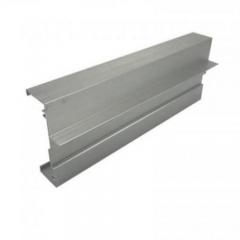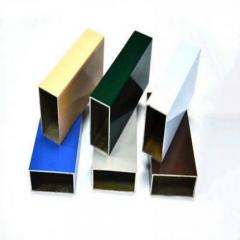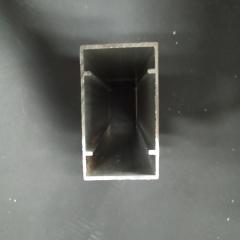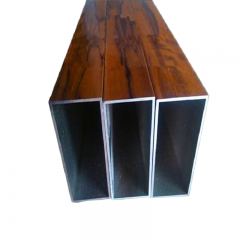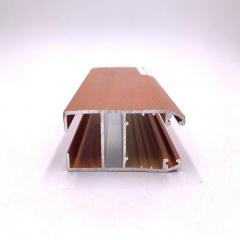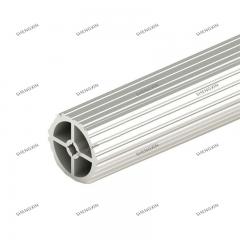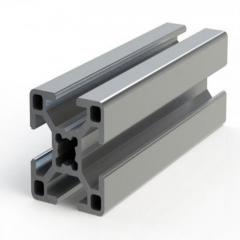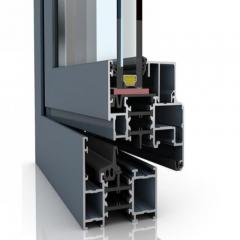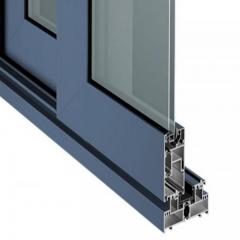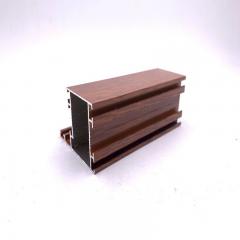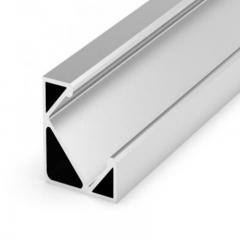
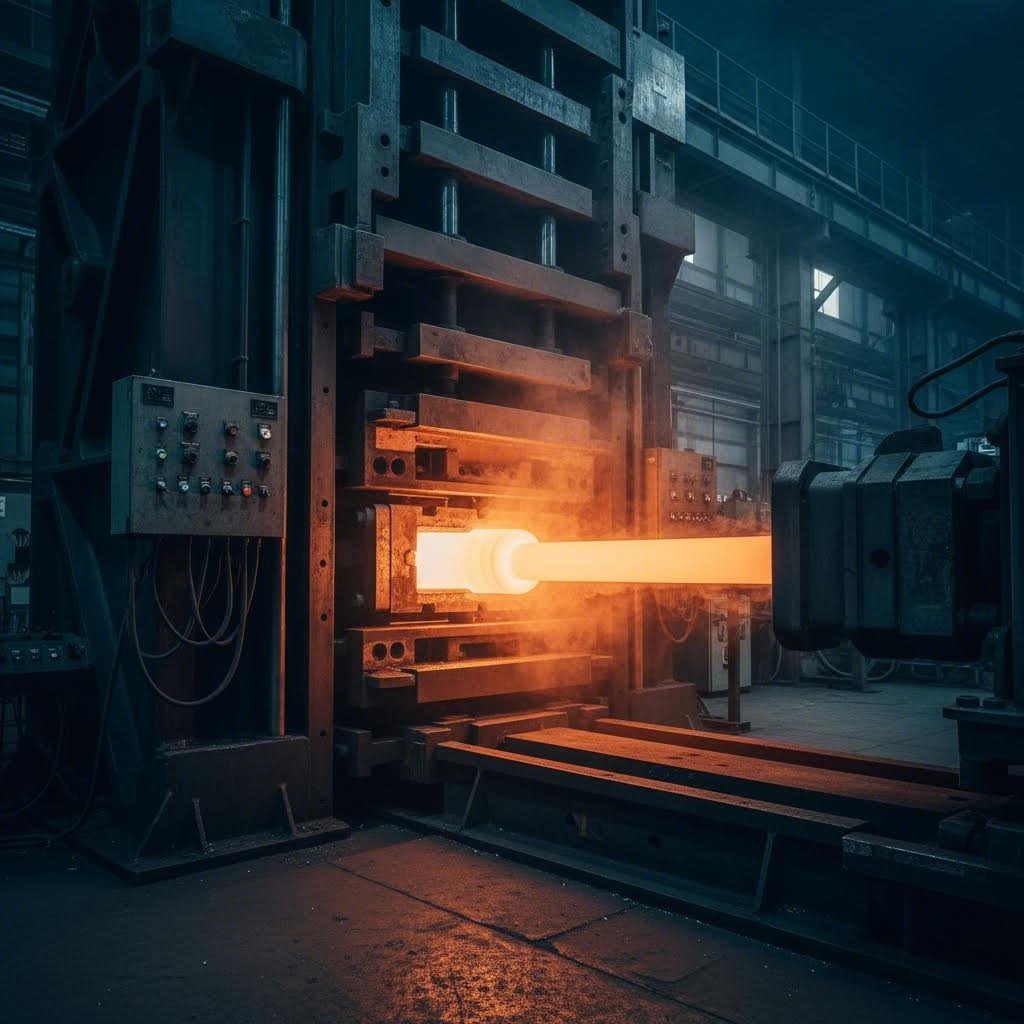
Have you ever squeezed toothpaste from a tube and watched it emerge in that perfect, consistent shape? You've just witnessed the basic principle behind one of manufacturing's most versatile processes. Now imagine scaling that simple action to industrial proportions, replacing toothpaste with heated aluminum, and using precisely engineered steel dies instead of a plastic nozzle. That's aluminum extrusion in action.
So, what is aluminum extrusion exactly? At its core, this manufacturing technique pushes heated aluminum alloy through a shaped opening called a die. The result? A continuous length of material with a uniform cross-section that matches the die's profile perfectly. Whether you need a simple rectangular bar or a complex multi-chambered profile, the extrusion process delivers with remarkable precision.
Aluminum extrusion is a manufacturing process where heated aluminum alloy is forced through a shaped die opening to create profiles with consistent cross-sectional shapes, enabling the production of complex geometries in a single operation.
This aluminum extrusion definition captures the essence of what makes the process so valuable. Understanding the aluminium extrusion meaning helps you appreciate why engineers and designers consistently choose this method over alternatives like machining or casting.
Look around you right now. The smartphone in your pocket, the window frames in your building, the heat sink cooling your computer—chances are, extruded aluminum plays a role in each. What is extruded aluminum's secret to such widespread adoption? The answer lies in a unique combination of benefits:
When exploring what is extrusions in modern manufacturing, you'll discover applications spanning construction, automotive, aerospace, electronics, and consumer goods. From skyscrapers utilizing curtain wall systems to electric vehicles requiring lightweight structural components, this process proves indispensable.
Throughout this guide, you'll follow the complete journey of how aluminum extrusion is made—from selecting raw materials and preparing billets to the final finishing touches that create market-ready profiles. By the end, you'll understand exactly what is extrusion and why this manufacturing method continues to shape our modern world.
Before any aluminum can be pushed through a die, a critical question must be answered: which alloy should you use? The aluminum extrusion process begins long before the press starts operating—it starts with selecting the right raw materials and preparing them meticulously for transformation.
Not all aluminum is created equal. Pure aluminum, while excellent for conductivity, lacks the strength needed for most structural applications. That's where aluminum alloy extrusion comes into play. By adding elements like magnesium, silicon, copper, and zinc, manufacturers create alloys tailored to specific performance requirements.
When examining how is aluminum manufactured for extrusion, you'll find the 6000 series alloys dominate the landscape. Here's why specific alloys matter:
The aluminum extrusion material you select directly impacts everything from processing parameters to final product performance. For instance, 8020 aluminum material and similar framing systems typically utilize 6105-T5 alloy for its balance of strength and machinability. Each element in the alloy serves a purpose—silicon lowers the melting point and improves extrudability, while magnesium contributes to strength and corrosion resistance.
Once the alloy is selected, the extrusion process moves to billet preparation—a sequence of steps that transforms raw aluminum into a form ready for extrusion. According to industry manufacturing standards, this preparation directly impacts the quality of final extruded profiles.
The journey from raw material to extrusion-ready billet follows these essential steps:
Why does temperature control matter so much? Imagine trying to squeeze cold honey through a small opening versus warm honey. The heated aluminum flows more easily through the die, requiring less pressure and producing better surface quality. However, overheating creates problems too—excessive temperatures can cause surface defects or even partial melting.
The billets are typically heated in specialized furnaces and then transferred to holding furnaces that maintain the precise temperature until loading into the extrusion press. Proper handling during this transition prevents surface damage and temperature loss that could compromise extrusion quality.
With billets properly prepared and heated to optimal temperature, they're ready for the next critical phase: meeting the precision-engineered dies that will shape them into finished profiles.
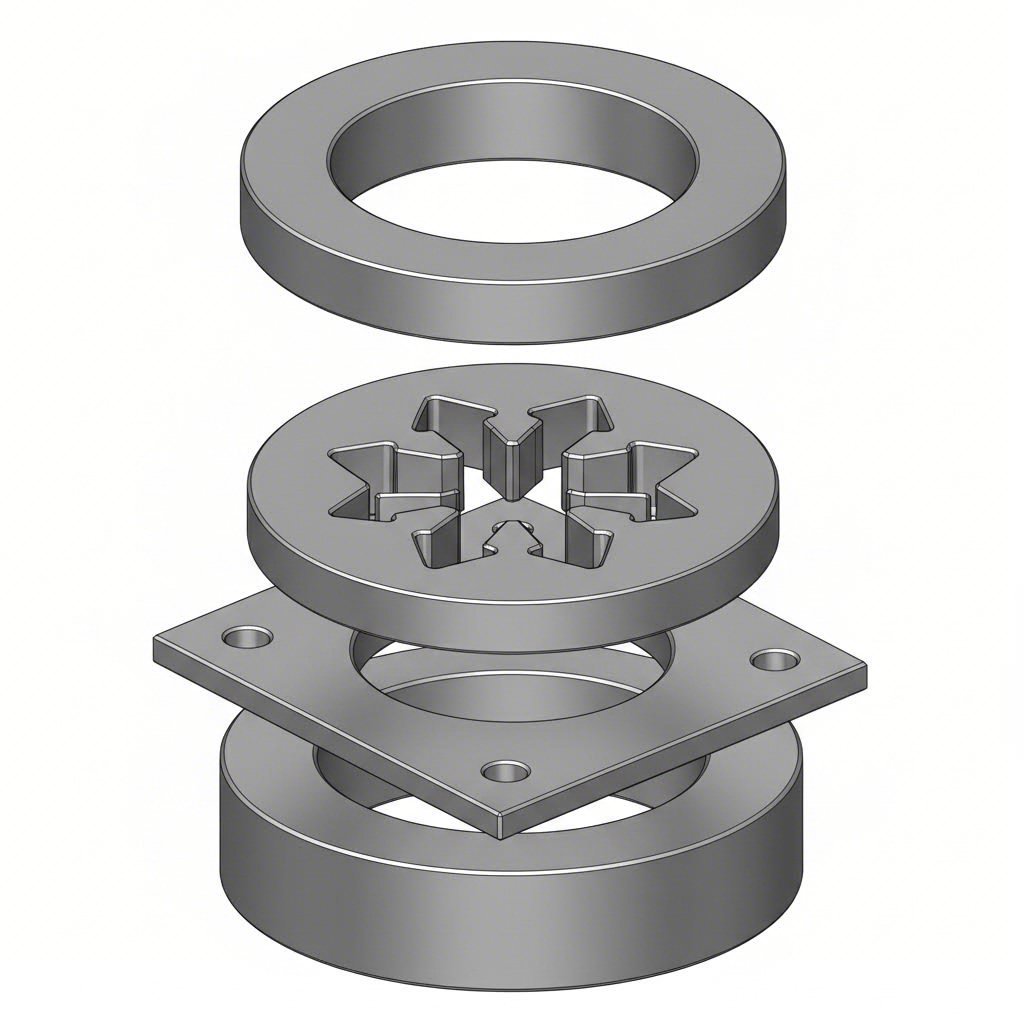
If the billet is the raw ingredient, then the aluminum extrusion die is the master chef that shapes the final creation. This precision-engineered tool represents the heart of the entire extrusion process—without it, transforming heated aluminum into complex extrusion profiles would be impossible. Understanding how these dies work reveals why this manufacturing method achieves such remarkable versatility.
What exactly is an aluminum extrusion die? Picture a thick steel disk with a carefully shaped opening cut through it. When heated aluminum is forced through this opening under tremendous pressure—sometimes exceeding 15,000 tons—the metal takes on the exact shape of that opening. Simple concept, extraordinarily precise execution.
Most aluminium extrusion dies are manufactured from H13 tool steel, chosen for its exceptional combination of thermal conductivity, wear resistance, and toughness. This material withstands the extreme conditions inside the press where temperatures exceed 900°F and pressures could crush 50 pickup trucks simultaneously.
However, the die itself doesn't work alone. It functions as part of a complete "die stack"—a system of support components that maintain alignment and structural integrity during extrusion. The key aluminum extrusion tooling components include:
Each component plays a specific role in ensuring the die for aluminium extrusion performs consistently across thousands of extrusion cycles.
Not all profiles are created equal, and neither are the aluminum extrusion dies that produce them. The industry uses three main die types, each engineered for specific profile geometries:
Solid Dies represent the simplest configuration. These dies produce profiles without any internal cavities—think bars, angles, channels, and solid structural shapes. The design is straightforward: the die opening directly mirrors the desired cross-sectional shape. A solid die stack typically includes a feeder plate (controlling aluminum flow), the die itself, and a backer for reinforcement.
Hollow Dies tackle more complex engineering challenges. When you need tubes, window frames, or profiles with internal chambers, hollow aluminium extrusion dies are essential. These feature intricate designs including shunt holes, shunt bridges, welding chambers, and die cores. During extrusion, the aluminum divides into multiple streams around internal supports, then reunites under pressure in the welding chamber—creating seamless hollow sections.
Semi-Hollow Dies combine elements of both approaches. They produce profiles with partially enclosed voids or channels—shapes that are more complex than solid profiles but don't require fully enclosed hollow sections.
Die design directly impacts three critical outcomes: metal flow uniformity, surface finish quality, and dimensional accuracy. According to industry engineering standards, successful die design follows specific principles:
Uniform Material Flow: The most important factor for quality extrusion profiles is ensuring aluminum exits the die at consistent velocity across the entire profile. Engineers achieve this by carefully calculating bearing lengths—the distance aluminum travels within the die opening. Thicker profile sections require longer bearing lengths to slow flow and match thinner areas.
Thermal Management: Temperature variations across the die cause inconsistent material properties and surface defects. Effective die designs incorporate cooling strategies and account for heat distribution during extended production runs.
Stress Reduction: Sharp corners concentrate stress and disrupt flow. A minimum corner radius of 0.4 mm is recommended for most designs, with larger radii improving both flow uniformity and surface finish. Wall thickness variations should stay within 2:1 ratios whenever possible.
Modern die designers increasingly rely on Finite Element Analysis (FEA) and computational fluid dynamics simulations to predict material flow, temperature gradients, and stress concentrations before manufacturing a single die. This predictive approach saves significant time and material costs while improving first-attempt success rates.
The precision invested in die engineering pays dividends throughout production. Well-designed dies can remain functional for two to three years under optimal conditions, producing consistent profiles while minimizing downtime and replacement costs. With the die stack prepared and mounted in the press, the stage is set for the actual extrusion process—where raw billets finally transform into finished profiles.
With the die mounted and billets heated to optimal temperature, the real transformation begins. Understanding how is aluminum extrusion made requires witnessing what happens inside the extrusion press—where raw billets become precisely shaped profiles in a matter of seconds. This is where engineering theory meets manufacturing reality.
Imagine a hydraulic system capable of generating force equivalent to the weight of 500 automobiles, all concentrated on pushing a cylinder of heated aluminum through an opening smaller than a dinner plate. That's the extrusion press at work. According to industry manufacturing data, modern hydraulic rams can apply up to 15,000 tons of pressure—the kind of force that makes steel flex and aluminum flow like warm honey.
The extruding process unfolds in a carefully orchestrated sequence:
The entire sequence—from billet loading to profile emergence—typically takes just seconds to a few minutes, depending on profile complexity and size. This rapid throughput is why aluminum extrusion remains one of manufacturing's most efficient metal forming processes.
What actually happens to aluminum molecules during this transformation? When the ram applies pressure, the heated aluminum behaves as a viscoplastic material—solid enough to maintain shape, yet fluid enough to flow through intricate die openings. The metal exits the die at temperatures approaching its melting point, which is why immediate handling and cooling are essential.
Three critical variables determine extrusion success:
These three factors exist in constant interrelationship. Increase speed, and you need more pressure while generating additional heat. Lower the temperature, and required pressure increases. Experienced operators balance these variables continuously throughout each extrusion line run.
How does aluminum extrusion work when different applications demand different results? The industry relies on two primary methods, each offering distinct advantages.
Direct Extrusion is the most common approach. The billet sits in a stationary container while the moving ram pushes it toward and through a fixed die. Both the ram and the aluminum move in the same forward direction—hence "direct" or "forward" extrusion. This method handles a wide variety of profile shapes and sizes efficiently.
However, direct extrusion generates significant friction as the billet slides against the container walls. This friction creates heat and requires additional force, which can affect surface quality and dimensional consistency.
Indirect Extrusion flips the equation. Here, the billet and container move together while the die remains stationary. A hollow stem holds the die in place as the container advances, forcing aluminum through the fixed die opening. Because the billet doesn't slide against container walls, friction drops dramatically.
The benefits of indirect metal extrusion include:
So why doesn't everyone use indirect extrusion? The hollow stem required for this method limits the maximum billet size and profile dimensions. Direct extrusion remains the workhorse for larger profiles and higher-volume production runs.
When aluminum exits the die, it emerges at temperatures close to its melting point—still glowing with residual heat. At this stage, the metal is remarkably soft and susceptible to deformation. Even its own weight can cause sagging or bending if not properly supported.
This is why the puller mechanism and runout table are critical components of any extrusion line. The puller maintains gentle tension on the emerging profile, preventing it from bunching or twisting. The runout table—sometimes extending 100 feet or more—provides continuous support as the profile travels toward the cooling systems.
Quenching begins immediately. Depending on the alloy and profile requirements, cooling might involve water spray, water bath immersion, or forced air from industrial fans. This rapid temperature reduction locks in the aluminum's metallurgical properties and prepares it for the post-extrusion processes that follow.
With the profile cooled and sheared from the press, the transformation from raw billet to shaped aluminum is complete—but the journey to a finished product has only just begun.
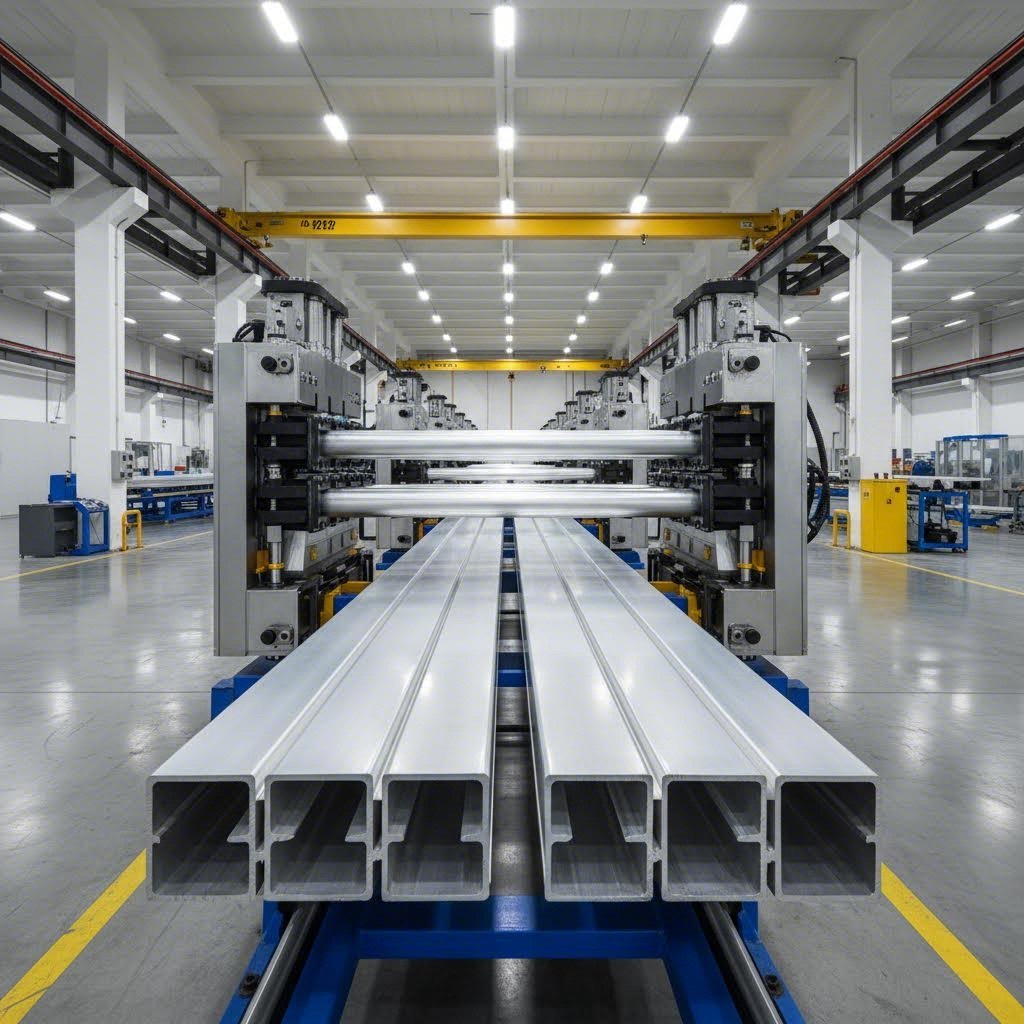
The profile has emerged from the die, but is it ready for use? Not quite. Understanding how extruded aluminum is made means recognizing that the extrusion press is just the midpoint of the manufacturing journey. What follows—a series of carefully controlled aluminum extrusion processing steps—determines whether your finished product meets specifications or becomes scrap.
Remember that profiles exit the die at temperatures approaching aluminum's melting point. At this stage, the metal's crystalline structure remains in flux, and its final mechanical properties hang in the balance. Quenching—the controlled rapid cooling of extruded aluminum—locks in desirable metallurgical characteristics while preventing unwanted changes.
According to AMETEK Land's technical documentation, the rate of cooling directly affects the mechanical properties of the finished product, including hardness and resilience. But here's the challenge: cool too slowly, and the aluminum won't achieve optimal strength. Cool too rapidly, and you risk cracking or distorting the profile entirely.
Modern extrusion facilities use two primary quenching methods:
The choice between methods depends on alloy type, profile geometry, and the mechanical properties required in the final product. For an extruded aluminum tube with thin walls, water quenching might cause warping, while a thick solid bar could handle rapid cooling without issue.
GRANCO CLARK's engineering data indicates that advanced "High Impact Velocity" quench systems can achieve cooling rates exceeding 200°F per second on enclosed hollow sections. These systems penetrate the steam barrier that naturally forms around hot aluminum, placing water droplets directly on the metal surface for maximum heat transfer.
Even with perfect quenching, extruded profiles rarely emerge perfectly straight. Residual stresses from uneven cooling, slight variations in material flow, and the profile's own weight during handling all contribute to minor bends, twists, and dimensional irregularities. This is where stretching enters the process.
Sounds counterintuitive, doesn't it? You might think pulling on aluminum would damage it. But controlled stretching accomplishes three critical objectives:
The stretching operation is remarkably precise. According to industry equipment manufacturers, an overstretched profile will be out of tolerance, while a profile not stretched past its yield point won't be straight—both destined to become scrap. Modern stretchers deliver the exact tension required, typically elongating profiles by 0.5% to 3% of their original length.
Once stretched and straightened, profiles move to precision cutting stations. Knowing how to cut aluminum extrusion properly matters significantly—improper cutting aluminum extrusion creates burrs, dimensional errors, and material waste. Industrial saws with carbide or diamond-tipped blades make clean cuts at precisely measured intervals, transforming continuous lengths into specified finished sizes.
Here's something that surprises many people learning how is extruded aluminum made: the material continues changing even after cooling, stretching, and cutting. This phenomenon, called aging, develops the aluminum's final mechanical properties through precipitation hardening.
During aging, alloying elements that were dissolved into the aluminum during heating gradually precipitate out, forming microscopic particles throughout the metal's crystal structure. These particles impede the movement of dislocations—atomic-scale defects that allow metals to deform—significantly increasing strength and hardness.
Manufacturers use two aging approaches:
| Parameter | Natural Aging (T4 Temper) | Artificial Aging (T5/T6 Temper) |
|---|---|---|
| Temperature | Room temperature (ambient) | 300-400°F (150-200°C) |
| Duration | Days to weeks | 4-12 hours typically |
| Final Strength | Lower than artificial aging | Maximum strength achieved |
| Formability | Better formability retained | Less formable, harder |
| Applications | Components requiring post-forming | Structural applications, high-load uses |
As industry tempering experts note, aluminum tempering significantly enhances strength, hardness, and durability by carefully balancing heat and cooling to deliver a durable and versatile final product. The T6 temper—achieved through solution heat treatment by artificial aging—represents the peak strength condition for most 6000-series alloys used in extrusion.
Each post-extrusion process exists for specific metallurgical reasons:
Skip quenching, and your profiles won't achieve proper strength. Skip stretching, and dimensional tolerances become unreliable. Skip aging, and the aluminum remains softer than specifications require. Industries ranging from aerospace to automotive depend on these processes to produce components that perform reliably under stress.
With mechanical properties now fully developed and dimensions precisely controlled, extruded aluminum profiles are ready for their final transformation—the surface treatments and finishes that enhance appearance, durability, and application-specific performance.
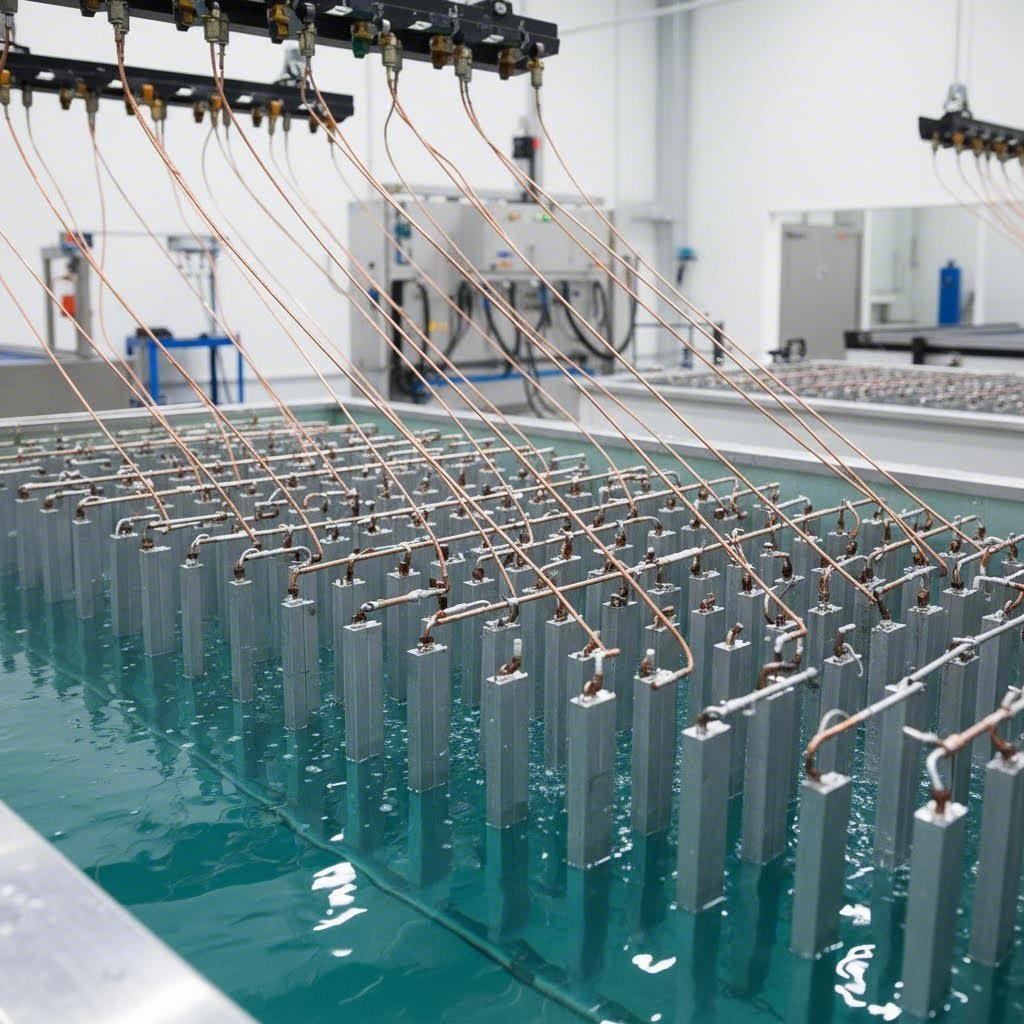
Your aluminum extrusion profile has been pressed, quenched, stretched, and aged to perfection. But here's the thing—raw extruded aluminum, while structurally sound, often needs additional protection and aesthetic enhancement before it's ready for real-world applications. Surface treatments transform functional extruded aluminum profiles into finished products that resist corrosion, withstand harsh environments, and look exactly as designers intended.
What if you could make aluminum grow its own protective armor? That's essentially what anodizing accomplishes. This electrochemical process creates a durable oxide layer directly on the aluminum surface—not a coating applied on top, but an integral part of the metal itself.
According to SAF's technical specifications, anodizing was developed over 100 years ago and remains one of the most effective finishing methods for extruded aluminium profiles. During the process, the aluminum extrusion profile is submerged in an acid electrolyte bath while electrical current passes through it. This triggers a controlled oxidation reaction that builds up a layer of aluminum oxide—a substance nearly as hard as diamond.
Why choose anodizing for your aluminium extrusion profile? The benefits are substantial:
Coating thickness matters significantly. Class I anodizing (0.7 mils) lasts approximately twice as long as Class II (0.4 mils) in exterior applications. For storefronts, handrails, and high-traffic areas where abrasion resistance is paramount, anodizing often outperforms alternative finishes.
Need vibrant colors, textured finishes, or high-gloss surfaces that anodizing simply cannot achieve? Powder coating opens up an entirely different world of possibilities for extruded profiles.
Unlike traditional liquid paint, powder coating involves electrostatically applying dry powder particles to the aluminum surface, then curing them in an oven to form a continuous, durable film. BRT Extrusions notes that this process offers several distinct advantages:
For architectural applications demanding the ultimate in weather resistance, PVDF coatings (commonly known by trade names Kynar 500 or Hylar 5000) represent the premium choice. According to Master Craft Finishers, PVDF paints maintain their color and finish under prolonged exposure to sunlight and weather, with over half a century of proven durability in curtainwall and metal roofing applications. These coatings meet AAMA 2605 specifications—the most stringent standard for architectural aluminum finishes—and often carry 20-year warranties.
Micro-arc oxidation represents the cutting edge of surface treatment technology. This advanced process creates ceramic-like oxide layers significantly harder than conventional anodizing, providing superior wear resistance for demanding industrial applications.
How do you decide which surface treatment best suits your extruded profiles? Consider these factors:
The finishing process you select ultimately depends on balancing performance requirements against aesthetic goals and budget constraints. Many manufacturers offer multiple finishing options, allowing you to match the treatment precisely to your application's demands. With the right surface treatment applied, your aluminum extrusion profiles are finally ready to serve their intended purpose—whether that's framing skyscraper windows or housing sensitive electronics.
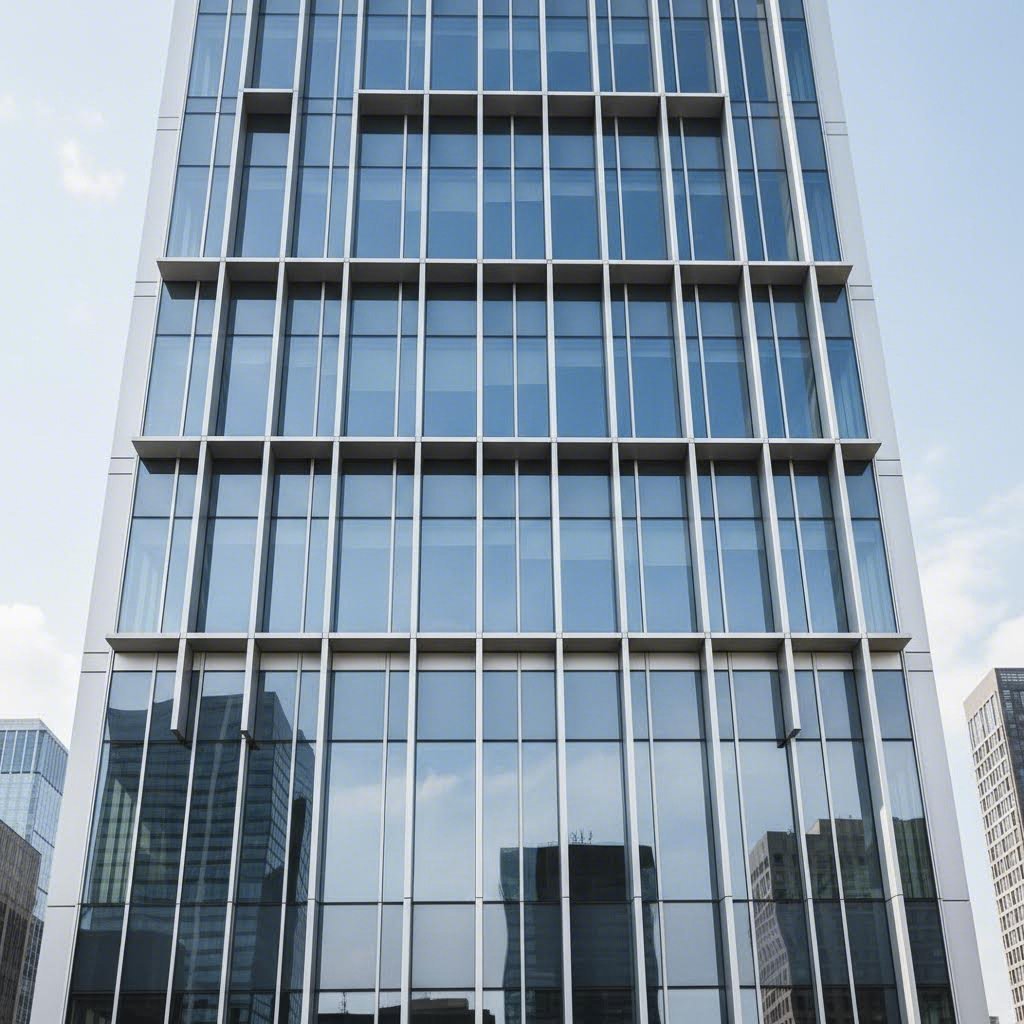
So what are aluminum extrusions actually used for once they've been pressed, treated, and finished? The answer might surprise you with its breadth. From the building you're sitting in right now to the vehicle that brought you here, aluminum extrusions quietly shape modern life across virtually every industry. According to Gabrian International, the global aluminum extrusion market had a projected value of over USD 90 billion in 2022—a figure that speaks to just how essential these products have become.
Walk through any modern city and you'll see what are aluminum extrusions contributing to the skyline. The building and construction industry currently utilizes the largest share of extruded aluminum products, and the reasons become clear when you consider the demands of modern architecture.
Think about those stunning glass-facade buildings that seem to be made entirely of windows. Behind that sleek appearance, extruded aluminum shapes provide the structural framework holding everything together. Taber Extrusions notes that aluminum is valued for its ability to withstand extreme temperatures ranging from -80°C to +300°C—making it ideal for exterior applications that face everything from scorching summers to frigid winters.
Key architectural applications include:
Why does aluminum extrusion dominate these applications? The design flexibility to create complex hollow sections in a single operation—combined with aluminum's natural corrosion resistance—means architects can achieve ambitious designs without compromising durability or maintenance requirements.
Beyond buildings, aluminum extrusions serve as the backbone of industrial infrastructure and transportation systems worldwide. The same properties that make extruded aluminum ideal for architecture—strength-to-weight ratio, design flexibility, and cost-effectiveness—translate directly into manufacturing and mobility applications.
Industrial Applications:
Transportation Applications:
One of the biggest factors driving automotive manufacturers toward aluminum is weight reduction. Every pound saved translates to improved fuel efficiency or extended battery range in electric vehicles. Aluminum extrusions appear throughout modern vehicles:
According to Gabrian, aluminum extrusions can even be formed to make lightweight battery boxes for electric vehicles that help regulate battery temperature—a critical function for EV performance and longevity.
When designers evaluate manufacturing methods, aluminum extrusion consistently wins against alternatives like casting, machining from solid stock, or fabricating from sheet metal. Here's why:
From consumer products like camping chairs, bicycle frames, and cookware to sophisticated aerospace aluminum extrusions flying at 35,000 feet, this manufacturing process adapts to requirements across the entire spectrum of complexity and performance demands. The versatility explains why aluminum extrusions continue capturing market share from traditional materials and manufacturing methods year after year.
Of course, achieving these benefits consistently requires rigorous quality control—a topic that becomes critical when extruded profiles must meet demanding specifications for safety-critical applications.
Even the most sophisticated extrusion manufacturing process can produce imperfect profiles. Understanding how are aluminum extrusions made means recognizing that quality isn't guaranteed—it's engineered through rigorous control measures at every stage. When extruded aluminum manufacturers deliver profiles that meet demanding specifications, it's because they've mastered the art of defect prevention and detection.
What can go wrong during aluminum extrusion manufacturing? Quite a lot, actually. According to industry quality analysis, there are over 30 documented defect types that can affect extruded profiles. Some are cosmetic nuisances; others compromise structural integrity entirely. Let's examine the most common issues and their solutions.
Surface Defects represent the most visible quality problems:
Dimensional Defects affect whether profiles meet specifications:
The following table summarizes key defects across different types of aluminum extrusion, their root causes, and proven prevention methods:
| Defect Type | Primary Causes | Prevention Methods |
|---|---|---|
| Die Lines | Worn or damaged die working belt; insufficient die hardness | Regular die inspection and polishing; proper nitriding treatment; timely die replacement |
| Blistering/Scales | Trapped moisture or gases; contaminated lubricant; excessive billet temperature | Preheat billets to remove moisture; use burp cycles to release trapped air; ensure clean, dry lubricants |
| Surface Scratches | Foreign particles; improper handling; worn guide paths | Keep tooling clean; use proper lubrication; train operators on careful handling procedures |
| Twisting/Bending | Uneven metal flow; improper die design; temperature variations | Optimize die bearing lengths; control extrusion speed and temperature uniformly; install proper guides |
| Poor Welding (Hollow Profiles) | Low extrusion temperature; insufficient pressure; contaminated die surfaces | Increase extrusion coefficient and temperature; keep dies clean; optimize welding chamber design |
| Shrinkage Tail | Insufficient residual material; contaminated extrusion pad; excessive speed at end of stroke | Maintain proper residual material length; keep tools clean; control speed during final extrusion phase |
Understanding these types of extruded aluminum defects helps manufacturers implement targeted prevention strategies rather than relying on end-of-line rejection.
How do manufacturers catch defects before profiles reach customers? Effective quality assurance combines multiple inspection methods, each targeting different potential problems.
Visual Inspection remains the first line of defense. Trained operators examine profiles for surface defects including scratches, die lines, blistering, and discoloration. While seemingly basic, experienced inspectors can detect subtle issues that automated systems might miss. According to quality control specialists, visual assessment of surface condition is a fundamental component of extrusion quality verification.
Dimensional Measurement verifies that profiles meet geometric specifications. This includes:
Mechanical Testing confirms that the aluminum has achieved required strength and ductility. Tensile testing—where a sample is stretched until it breaks—provides critical data including tensile strength, yield strength, and elongation percentage. These measurements reveal whether heat treatment and aging processes succeeded in developing proper metallurgical properties.
Additional testing methods include:
Modern extrusion manufacturing increasingly relies on real-time process monitoring. Sensors tracking temperature, pressure, and extrusion speed enable operators to detect deviations before they create defective profiles. This proactive approach—catching problems at the source rather than the inspection station—dramatically reduces scrap rates and improves overall efficiency.
The most reliable extruded aluminum manufacturers integrate quality control throughout their operations, from incoming billet inspection through final packaging. This comprehensive approach ensures that profiles leaving the facility consistently meet the specifications that downstream applications demand.
You now understand how aluminum extrusion is made—from billet preparation through quality inspection. But here's a practical question: when you need extruded profiles for your project, how do you find a manufacturer capable of delivering exactly what you need? Selecting the right aluminum profile manufacturing partner can mean the difference between a smooth production run and costly delays, rework, or rejected parts.
The aluminum extrusion machine at the heart of any facility determines what profiles can be produced. Think of press tonnage like engine displacement in a vehicle—it defines the power available for the job. According to industry selection guidelines, matching press capacity to your profile requirements is essential for both quality and cost-effectiveness.
Here's how press size relates to profile extrusion applications:
Why does this matter for your project? A manufacturer with only small presses cannot produce the large structural profiles your building project requires. Conversely, running small profiles on oversized equipment wastes capacity and may increase costs. According to supplier capability experts, a partner with multiple press capacities can handle a wider range of projects and maintain flexibility when production volumes change.
Beyond tonnage, consider the billet diameter each press accommodates. Larger billets mean longer continuous extrusions before needing a new cycle—improving efficiency for high-volume aluminum profile extrusion runs.
Sounds simple enough—find a press that matches your profile size, right? Not quite. The most valuable manufacturing partners offer far more than extrusion capability alone. When evaluating potential suppliers for aluminum extrusion fabrication, consider whether they provide integrated services that eliminate the need to coordinate multiple vendors.
In-House Die Design and Maintenance
Many suppliers outsource die manufacturing to third parties, leading to longer lead times and slower problem resolution. Industry analysts note that if a die fails or produces inaccurate dimensions, delays ripple across the entire project. Suppliers with in-house die workshops can modify or repair dies quickly, ensuring production continuity and consistent quality.
Secondary Processing Capabilities
Raw extrusions rarely go directly to end users. Most applications require aluminium extrusion machining operations—cutting to length, drilling mounting holes, milling features, or bending to specific shapes. A supplier with integrated CNC machining and surface finishing can deliver finished or semi-finished products directly to your assembly line, reducing transportation between subcontractors, preventing damage, and shortening lead times.
When evaluating manufacturing partners, assess these key capabilities:
For example, Shengxin Aluminium exemplifies this comprehensive approach with 35 extrusion presses ranging from 600T to 5500T, covering everything from delicate electronic enclosure profiles to heavy industrial structural components. Their facility integrates CNC machining centers for precision cutting, drilling, and bending alongside complete surface treatment lines—including anodizing in custom colors, powder coating, and PVDF finishes. This end-to-end capability means projects move from die development through finished product without leaving a single facility.
Technical capability is essential, but it's not everything. The best aluminum extrusion fabrication relationships extend beyond transactional orders to genuine partnerships. According to supplier selection experts, evaluating communication quality and responsiveness reveals as much about a potential partner as their equipment list.
Consider these partnership indicators:
The most valuable suppliers function as extensions of your team, contributing to product improvement and operational efficiency rather than simply fulfilling orders. When your manufacturing partner understands both the technical requirements and business objectives behind your aluminum extrusion needs, the entire production process runs more smoothly—from initial design through final delivery.
You've now the complete journey of how aluminum extrusion transforms raw material into precision-engineered profiles. From selecting the right alloy and preparing billets at carefully controlled temperatures, through the tremendous forces inside the extrusion press, to the finishing touches that create market-ready products—each step builds upon the last to deliver components that modern industry depends upon.
Let's trace the aluminium extrusion process one final time. It begins with alloy selection—choosing materials like 6063 for architectural applications or 6061 when higher strength is required. Billets are cast, homogenized to ensure uniform properties, and preheated to 800-925°F until the aluminum reaches optimal plasticity.
Inside the extrusion press, hydraulic rams applying up to 15,000 tons of force push this malleable metal through precision-engineered dies. The extruded aluminium emerges at temperatures approaching its melting point, immediately requiring quenching to lock in metallurgical properties. Stretching straightens profiles and relieves internal stresses, while aging—whether natural or artificial—develops final strength characteristics.
Surface treatments complete the transformation. Anodizing creates integral oxide layers for corrosion resistance, powder coating enables vibrant colors and textures, and PVDF finishes provide decades of weathering protection for architectural applications.
The unique value of aluminum extrusion lies in its ability to create complex cross-sectional shapes—including hollow chambers and integrated features—in a single operation, while simultaneously developing superior mechanical properties through the extrusion process itself.
This combination of design flexibility, material efficiency, and enhanced strength explains why the extrusion of aluminium continues expanding across industries from construction to aerospace.
When should you aluminum extrude rather than cast or machine? The answer depends on your specific requirements. According to industry manufacturing experts, understanding these differences is essential for selecting the appropriate process.
Choose extrusion when you need:
Consider casting when:
As Silver City Aluminum notes, the force used during extrusion actually enhances aluminum's compressive properties, increasing natural strength and durability beyond what other forming methods achieve. This metallurgical advantage—combined with design flexibility and cost efficiency at scale—makes aluminium extrusion the preferred choice for applications demanding both performance and economy.
Understanding how aluminum extrusion works transforms you from a passive buyer into an informed partner. You can now evaluate whether a profile design is practical for extrusion, ask meaningful questions about alloy selection and temper specifications, and assess whether a manufacturer's capabilities match your project requirements.
When you specify profiles with appropriate wall thickness ratios, reasonable corner radii, and practical tolerance expectations, you enable manufacturers to deliver better results at lower costs. When you understand the relationship between die complexity and tooling investment, you make smarter decisions about custom versus standard profiles.
The aluminium extrusion process has shaped modern manufacturing for decades—and continues evolving with advances in press technology, die design software, and finishing techniques. Whether you're sourcing components for architectural systems, industrial machinery, or transportation applications, the knowledge you've gained here positions you to work more effectively with manufacturers and achieve better outcomes for your projects.
Aluminum extrusion is a plastic deformation process where a preheated aluminum billet (heated to 800-925°F) is placed in a container and forced through a shaped die opening using a hydraulic ram applying up to 15,000 tons of pressure. The aluminum emerges with the exact cross-sectional shape of the die. After extrusion, profiles undergo quenching for rapid cooling, stretching for straightness and stress relief, and aging to develop final mechanical properties before surface finishing.
Extrusion dies are precision-machined from H13 tool steel, chosen for its exceptional thermal conductivity, wear resistance, and toughness. Dies are manufactured as thick circular steel disks with openings cut to create specific profile shapes. They undergo heat treatment to withstand extreme temperatures exceeding 900°F and pressures that could crush 50 pickup trucks. Modern die design uses Finite Element Analysis and computational fluid dynamics to optimize metal flow before manufacturing.
The 6063 alloy dominates architectural applications because it offers excellent extrudability, allowing complex shapes to form easily. It provides superior surface finish quality ideal for visible applications and responds exceptionally well to anodizing for enhanced aesthetics and corrosion protection. The alloy's magnesium and silicon content delivers good strength while maintaining the workability needed for intricate window frames, door frames, and decorative trim.
Common aluminum extrusion defects include surface issues like die lines from worn tooling, blistering from trapped moisture or gases, and scratches from improper handling. Dimensional problems such as twisting, bending, and wall thickness variations result from uneven metal flow or worn dies. Prevention requires regular die inspection, proper temperature control, clean lubricants, optimized bearing lengths, and careful material handling throughout the process.
Hollow profiles are created using porthole dies featuring intricate designs with shunt holes, bridges, welding chambers, and die cores. During extrusion, aluminum divides into multiple streams around internal supports called bridges, then reunites under tremendous pressure in the welding chamber. This creates seamless hollow sections without any visible seams. The process requires higher temperatures and pressures than solid profiles to ensure proper metal welding.



 serviço on-line
 0086 136 3563 2360
 sales@sxalu.com
 +86 136 3563 2360
 português
 English
 français
 Deutsch
 русский
 español
 العربية
 ไทย
ไทย Việt
Việt Українська