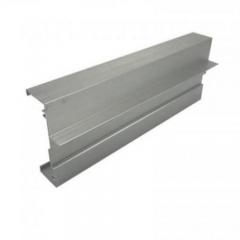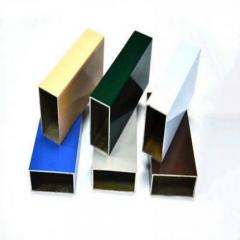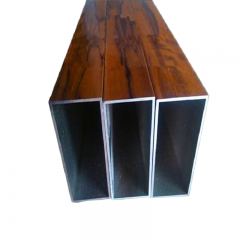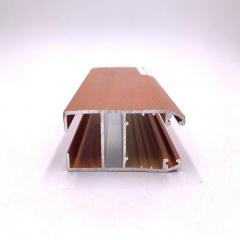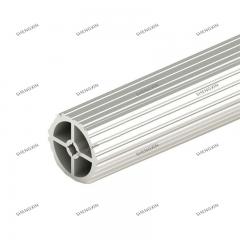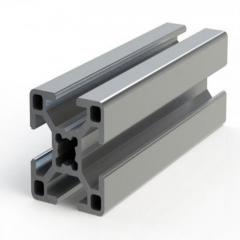
Ever squeezed toothpaste from a tube? You've already grasped the basic concept behind one of manufacturing's most versatile processes. Aluminum extrusion works on the same principle - forcing material through a shaped opening to create a continuous profile. But instead of minty paste, you're working with heated aluminum alloy, and instead of a simple round opening, you're pushing metal through precision-engineered dies that can create remarkably complex shapes.
Aluminum extrusion is a fabrication process that forces a heated aluminum billet (a cylindrical log) through a custom-shaped steel die to produce a continuous profile with a consistent cross-section.
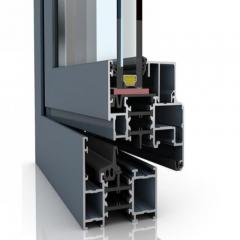
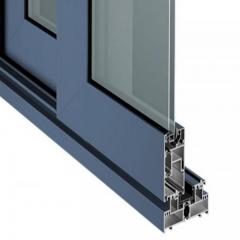
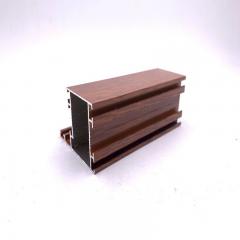
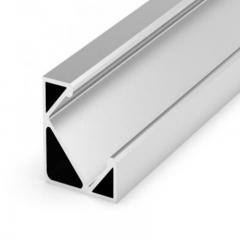
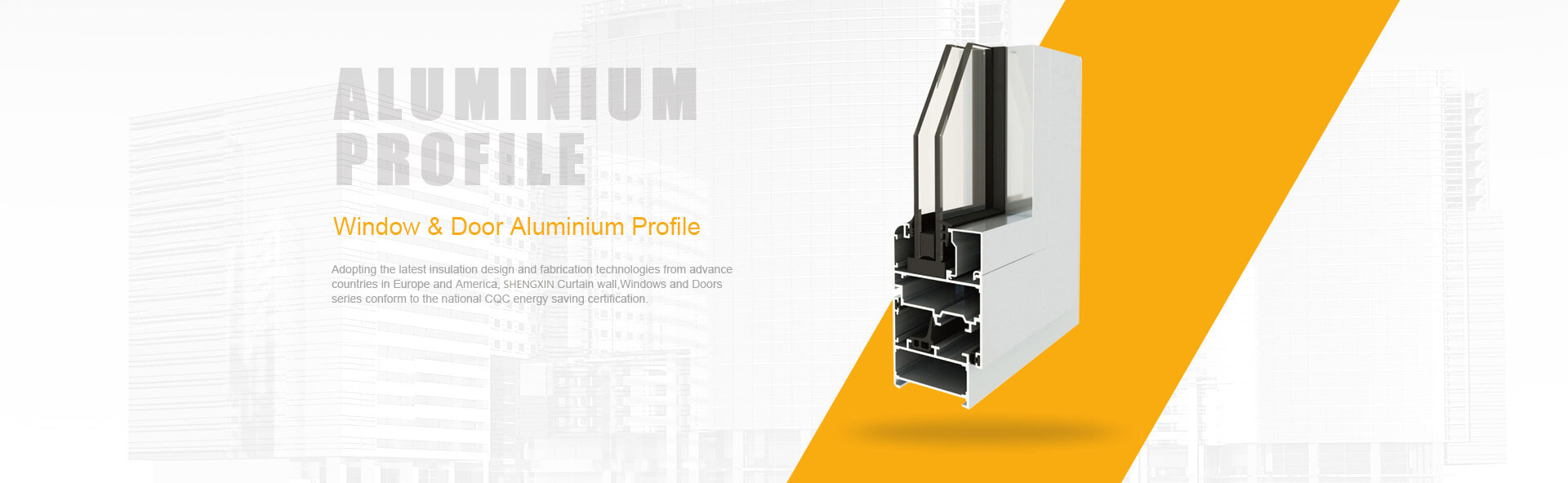
So what is aluminum extrusion in practical terms? It's the manufacturing method behind countless products you encounter daily - from window frames and door thresholds to heat sinks in your electronics and structural components in aircraft. The extrusion process transforms solid aluminum billets into precisely shaped profiles that can be solid, hollow, or semi-hollow, ranging from simple angles to intricate architectural systems.
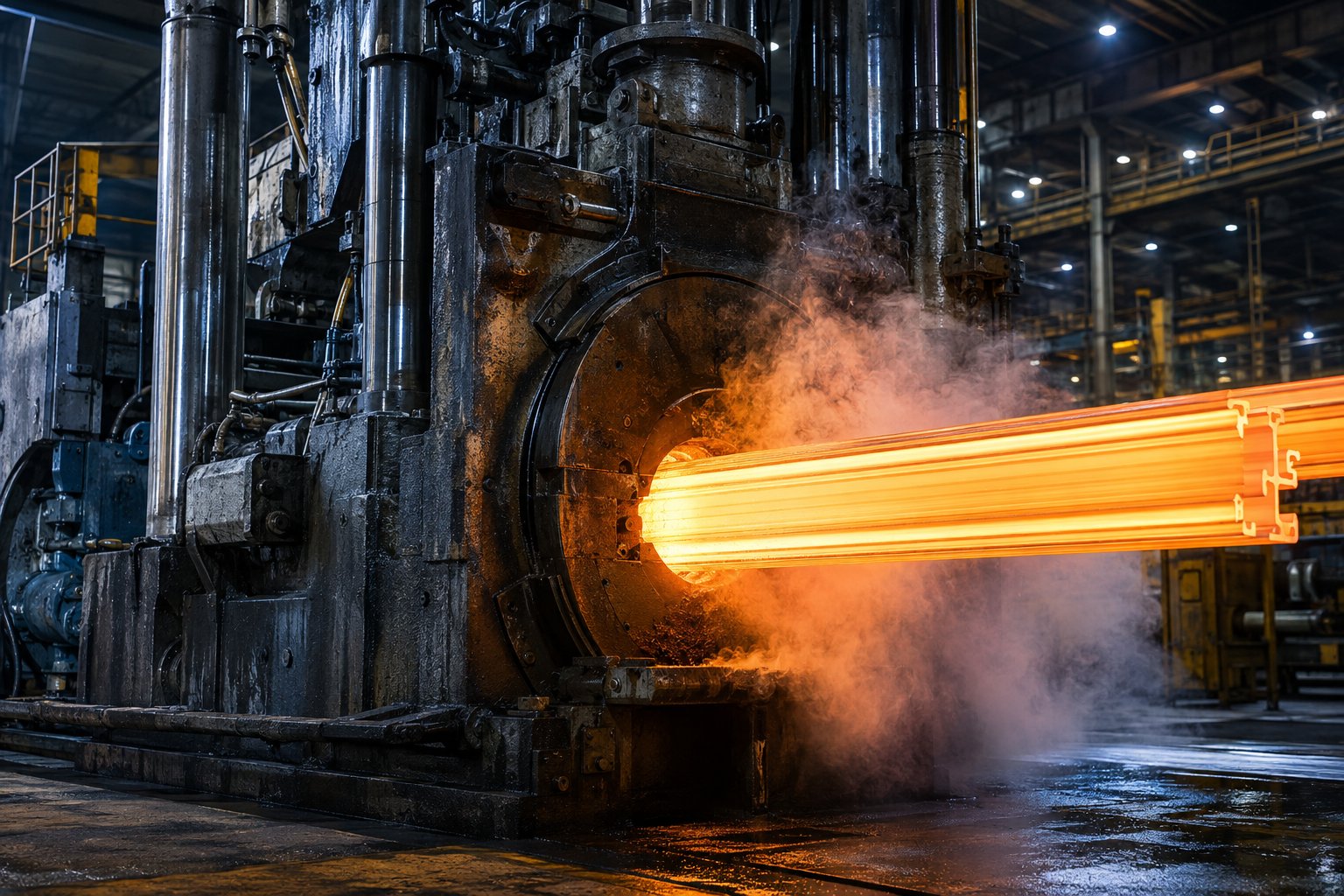
To define extrude in manufacturing terms, imagine pushing Play-Doh through a shaped template. The aluminum extrusion process follows this same logic but operates under extreme conditions. A cylindrical aluminum billet is preheated to temperatures between 800-925°F - hot enough to become malleable but not molten. A powerful hydraulic ram then applies tremendous pressure (sometimes up to 15,000 tons) to push the softened metal through a steel die.
What emerges is extruded aluminum - a continuous length of material with the exact cross-sectional shape of the die opening. The resulting profiles typically range from 8 to 24 feet in length and maintain remarkable dimensional accuracy throughout. This consistency is what makes the process so valuable for precision applications.
What is extrusions' role in today's industrial landscape? The answer lies in a combination of history and innovation. The extrusion process was first patented in 1797 by Joseph Bramah for making lead pipes. However, modern hot extrusion as we know it emerged in 1894 when Alexander Dick developed techniques for extruding non-ferrous alloys like aluminum.
Today, aluminum extrusion dominates manufacturing for several compelling reasons:
From construction and architecture to aerospace and electronics, the extrusion process enables manufacturers to create everything from simple structural tubes to sophisticated thermal management systems. In the sections ahead, you'll discover exactly how raw billets transform into finished profiles - including alloy selection, die engineering, and the critical post-processing steps that determine final product quality.
Before any aluminum billet enters an extrusion press, engineers must answer a fundamental question: which alloy best serves the application? This decision shapes everything from processing parameters to final product performance. Among the many types of extruded aluminum available, two alloys dominate the industry - and understanding their differences is essential for anyone specifying aluminum extrusion profiles.
Both 6061 and 6063 belong to the 6000 series, meaning they're primarily alloyed with magnesium and silicon. These elements work together to create heat-treatable alloys with excellent all-around properties. However, the subtle differences in their chemical composition create significant variations in how they behave during extrusion and perform in service.
Why does 6063 earn the nickname "architectural aluminum" while 6061 is called "structural aluminum"? The answer lies in their composition and resulting characteristics.
Aluminum 6063 contains approximately 0.45-0.9% magnesium and 0.2-0.6% silicon, with minimal amounts of other elements. This simpler composition translates to exceptional extrudability - the metal flows smoothly through complex die geometries, producing profiles with superior surface finish. When you need thin-walled sections, intricate shapes, or components that will be anodized for aesthetic appeal, 6063 is typically your first choice.
Aluminum 6061 has a more complex chemistry, with 0.8-1.2% magnesium, 0.4-0.8% silicon, plus notable additions of copper (0.28%) and chromium (0.2%). These additions boost tensile strength and hardness but make the alloy slightly more challenging to extrude. When structural demands take priority over surface aesthetics, 6061 delivers the performance engineers need.
Here's a practical way to think about it: if you're creating aluminum extrusion profiles for window frames or decorative trim, 6063's smooth finish and corrosion resistance make it ideal. If you're building 8020 aluminum material framing systems for industrial automation or aerospace structural components, 6061's superior strength justifies the trade-offs.
What happens at the metallurgical level that makes one aluminium alloy extrusion easier to process than another? The answer involves how silicon and magnesium interact during heating and forming.
Lower silicon content in 6063 reduces friction between the aluminum and the die surface. This means:
The higher alloying elements in 6061 create a stiffer material that resists deformation. While this produces a Brinell hardness of 95 compared to 6063's 73, it also requires more press force and limits the complexity of achievable shapes. However, 6061 offers better machinability - an important consideration when extruded aluminum profiles require extensive secondary operations like drilling or CNC machining.
| Alloy Designation | Key Properties | Extrudability Rating | Typical Applications |
|---|---|---|---|
| 6063 | Excellent surface finish, superior corrosion resistance, good weldability | Excellent | Window frames, door frames, architectural trim, decorative components, tubing, furniture |
| 6061 | Higher tensile strength, good machinability, moderate corrosion resistance | Good | Structural framing, aerospace components, automotive parts, bicycle frames, machinery |
| 6005 | Balance of strength and extrudability, good weldability | Very Good | Transportation, ladders, structural applications requiring moderate strength |
| 6082 | Highest strength in 6000 series, good corrosion resistance | Moderate | Heavy-duty structural applications, bridges, offshore platforms |
When specifying extruded aluminum for your project, consider that both alloys can be heat-treated to improve mechanical properties. However, welding either alloy reduces strength by approximately 30% - though subsequent heat treatment can restore much of that lost performance. For applications involving complex assemblies, 6063's superior weldability and brazability often simplify fabrication.
The choice between these aluminium alloy extrusion options ultimately depends on your priorities. Need maximum strength for structural demands? Choose 6061. Prioritizing surface quality, intricate profiles, or weather resistance? Opt for 6063. With the alloy selected, the next critical decision awaits: designing the die that will shape your aluminum into its final form.
Imagine you've selected the perfect aluminum alloy for your project. Now comes the component that will literally shape your vision into reality: the extrusion die. This precision-engineered steel disk determines everything from dimensional accuracy to surface finish - and understanding its design principles can save you significant time and money when sourcing custom extrusion profiles.
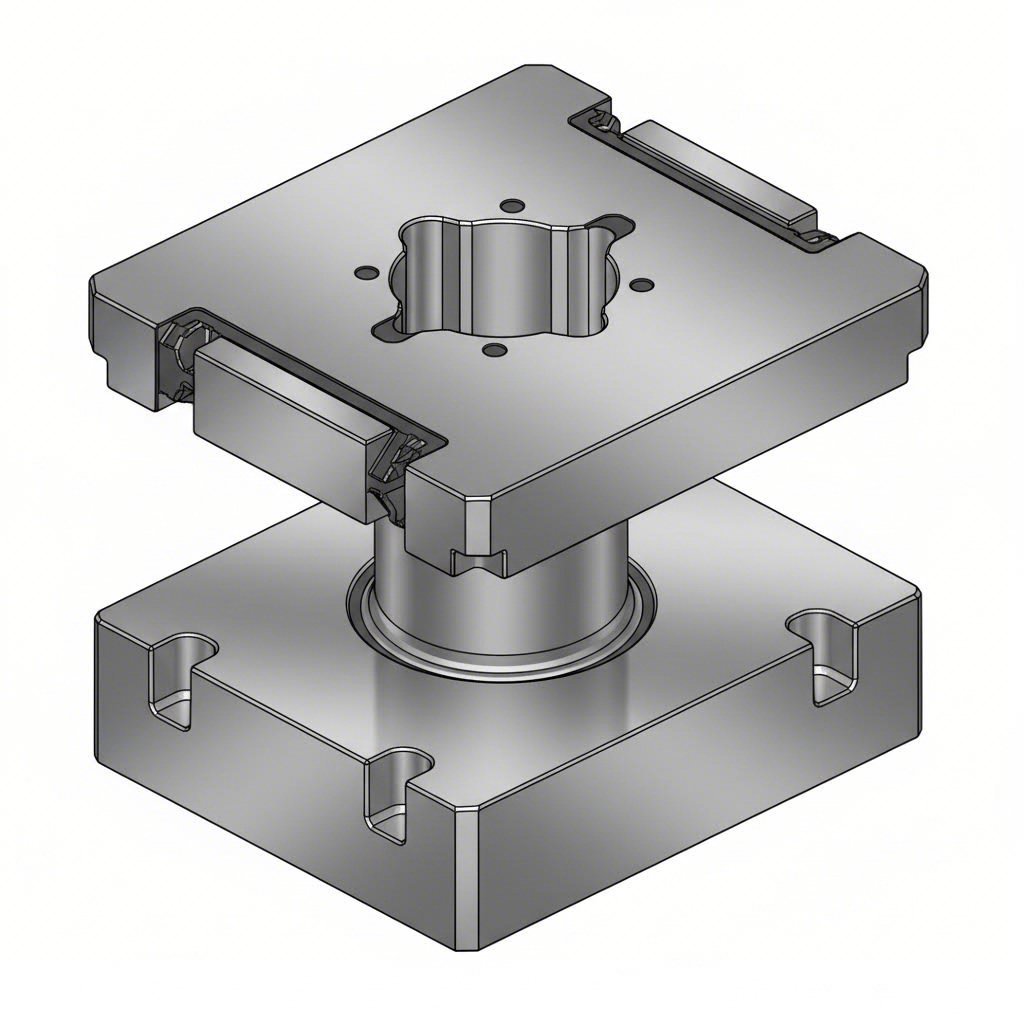
An aluminum extrusion die is far more than a simple template. It's a carefully engineered tool manufactured from H13 tool steel - a premium hot-work steel chosen for its exceptional thermal conductivity, wear resistance, and toughness. These dies must withstand up to 15,000 tons of pressure while maintaining dimensional precision measured in fractions of a millimeter. To put that force in perspective, it's enough pressure to crush 50 pickup trucks simultaneously.
Not all aluminum extrusion dies are created equal. The type of die required depends entirely on the profile geometry you need to produce. There are three fundamental categories, each with distinct tooling requirements:
Solid Dies represent the simplest and most cost-effective option. Used for profiles without internal voids - think bars, angles, and channels - these dies typically consist of three components:
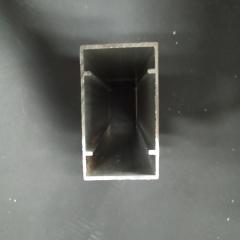
Hollow Dies create profiles with enclosed voids, such as rectangular tubes or complex multi-cavity t-slots. These require a more sophisticated two-piece design called a porthole die:
Semi-Hollow Dies handle profiles with partially enclosed voids - narrow channels or deep slots that don't fully close. Engineers use a calculation called the "tongue ratio" (Area/Gap²) to determine whether a shape qualifies as semi-hollow. Higher tongue ratios indicate greater extrusion difficulty and increased risk of die breakage, requiring more complex aluminum extrusion tooling designs.
Beyond the die itself, every tool stack includes support components: die rings that encircle the assembly, bolsters that distribute pressure evenly, and sometimes sub-bolsters that extend the stack to fit specific press requirements. This complete aluminum extrusion tooling system works together to maintain alignment under extreme conditions.
Here's what many buyers don't realize: the success of your extrusion project is largely determined before any aluminum ever touches the press. Effective die design follows specific principles that balance profile geometry, metal flow dynamics, and production economics.
Uniform material flow is the most critical factor. When aluminum exits the die at uneven speeds across the profile, you get warping, twisting, and dimensional inconsistencies. Die engineers achieve balanced flow by adjusting bearing lengths - the distance aluminum travels within the die opening. Thicker profile sections receive longer bearing lengths to slow metal flow, while thinner areas get shorter bearings to speed it up. The goal? Every part of your profile emerges at the same velocity.
Several design guidelines improve manufacturability and extend die life:
Modern die shops use Finite Element Analysis (FEA) and Computational Fluid Dynamics (CFD) simulations to predict metal flow, temperature gradients, and stress concentrations before cutting steel. This virtual prototyping catches potential problems early, reducing costly trial-and-error during production.
What does this mean for buyers sourcing custom extrusion profiles? Die development represents a significant upfront investment, with costs influenced by profile complexity, tolerance requirements, and production volume. More intricate geometries require more sophisticated manufacturing processes - CNC machining, wire EDM cutting, and specialized surface treatments like nitriding that enhance wear resistance.
Lead times for new aluminium extrusion dies typically range from several weeks to months, depending on complexity. However, this investment pays dividends across long production runs. To optimize your project economics:
The collaborative relationship between designers, die manufacturers, and extrusion facilities ultimately determines project success. When these stakeholders communicate effectively from the earliest stages, the result is optimized dies that produce consistent, high-quality extrusion profiles at competitive costs. With die engineering principles established, the next step is understanding exactly how heated aluminum transforms as it flows through these precision tools.
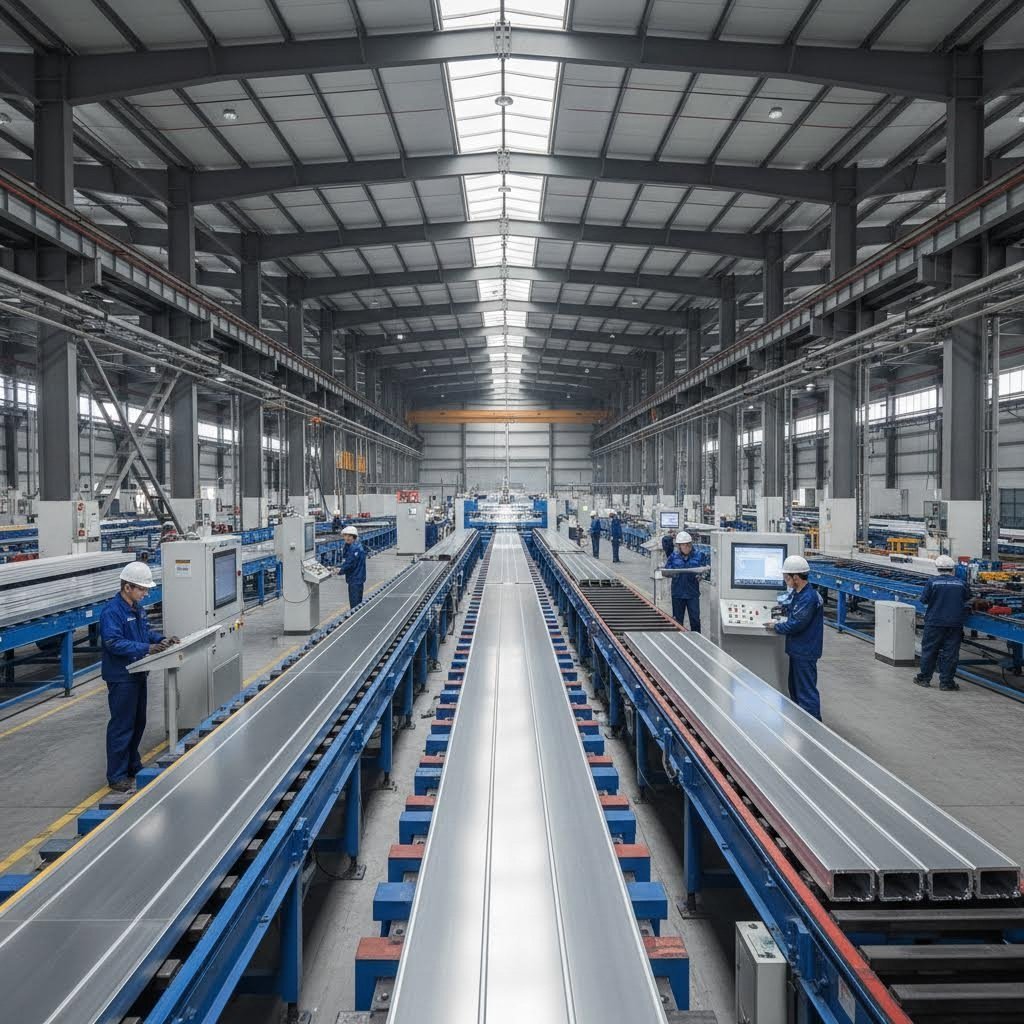
You've selected your alloy and engineered your die. Now comes the transformation - the moment when a solid aluminum billet becomes a precision-shaped profile. Understanding how aluminum extrusion is made requires following the metal through each carefully controlled stage, from initial heating to final stretching. Let's walk through the complete aluminum extrusion process step by step.
The extrusion aluminium process involves far more than simply pushing metal through a shaped opening. Each parameter - temperature, pressure, speed - is calibrated based on metallurgical principles that ensure consistent quality. Here's the complete sequence that transforms raw material into finished profiles:
Why does billet temperature matter so much? The answer lies in aluminum's crystalline structure. At room temperature, aluminum atoms are locked in rigid arrangements that resist deformation. As temperature rises toward 400-550°C (750-1025°F), atomic bonds loosen, allowing the metal to flow plastically without cracking or tearing.
The precise temperature depends on alloy composition. Higher-silicon alloys like 6063 extrude at lower temperatures due to their enhanced flow characteristics. Alloys with more copper or magnesium require higher temperatures to achieve adequate plasticity. Getting this wrong creates immediate problems - too cold and the metal tears or requires excessive pressure; too hot and surface quality degrades while dimensional control suffers.
Modern extrusion line facilities use sophisticated heating systems that ensure uniform temperature distribution throughout the billet. Induction furnaces or gas-fired ovens raise billet temperature gradually, with sensors monitoring thermal consistency. Some operations employ tapered heating - slightly higher temperatures at the billet's trailing end - to compensate for heat loss during the extruding process.
Simultaneously, the die undergoes its own preheating cycle. A cold die contacting hot aluminum creates thermal shock that degrades surface finish and accelerates wear. Preheating the die to 450-500°C ensures thermal equilibrium when metal first contacts steel, promoting smooth initial flow and extending tooling life.
The extrusion press is the heart of any aluminum extrusion manufacturing operation. These massive machines generate the tremendous forces needed to push softened aluminum through precision die openings. Press capacity is measured in tons - and modern facilities operate presses ranging from 500 tons for small profiles to over 15,000 tons for large structural sections.
Once the preheated billet loads into the container (a thick-walled steel cylinder), the hydraulic ram advances. Initial pressure compresses the billet until it completely fills the container cavity. Then, with nowhere else to go, the aluminum begins flowing through the die opening - and your profile emerges.
A critical concept here is the extrusion ratio - the relationship between the billet's cross-sectional area and the profile's cross-sectional area. A higher ratio means more mechanical work occurs as aluminum squeezes through smaller openings. Ratios typically range from 10:1 to 100:1, with higher ratios requiring greater pressure and generating more heat through friction. Engineers balance extrusion ratio against press capacity to optimize production speed and quality.
Two fundamental approaches exist for the extruding process:
Direct extrusion (also called forward extrusion) is the most common method. The billet and ram move together, pushing aluminum through a stationary die. This approach handles most profile geometries effectively but generates significant friction between the billet and container walls.
Indirect extrusion (backward extrusion) reverses the arrangement. The billet remains stationary while the die moves toward it on a hollow stem. Because there's no relative motion between billet and container, friction drops dramatically. The result? Lower force requirements, better temperature control, and more consistent mechanical properties throughout the profile length.
When should you specify each method? Direct extrusion suits most applications and accommodates longer billets, meaning fewer interruptions between cycles. Indirect extrusion excels when producing long sections requiring uniform properties or when working with alloys that are sensitive to temperature variations caused by friction heating.
The moment aluminum exits the die, a race against time begins. The still-hot profile must cool in a controlled manner to develop optimal mechanical properties. This rapid cooling - called quenching - uses water sprays, water baths, or forced air depending on alloy requirements and profile geometry.
Quenching serves a metallurgical purpose beyond simply reducing temperature. It "freezes" the aluminum's atomic structure in a supersaturated state, setting up conditions for subsequent age-hardening treatments that develop full strength. Cooling too slowly allows atoms to rearrange prematurely, reducing the effectiveness of later heat treatment.
As profiles travel down the runout table, a puller mechanism maintains tension to prevent buckling or bowing. Once the extrusion reaches full table length (often 100 feet or more), a hot saw shears it from the still-emerging material. These cut lengths then transfer to cooling tables where they rest until reaching ambient temperature.
Even with careful handling, extrusions develop internal stresses and minor geometric distortions during cooling. Stretching corrects these issues. Mechanical grippers clamp both ends of each profile, then hydraulic cylinders apply controlled tension - typically 1-3% elongation. This process:
After stretching, profiles move to finish saws where they're cut to final lengths - commonly 8 to 21 feet depending on customer requirements. At this point, the aluminium extrusion process has produced dimensionally accurate profiles ready for heat treatment, fabrication, or surface finishing - the critical post-processing steps that transform raw extrusions into finished components.
Your aluminum profile has emerged from the die, been quenched, stretched, and cut to length. But here's what many people don't realize - at this stage, the extrusion is essentially a blank canvas. The aluminum extrusion processing that follows transforms raw profiles into precision components ready for assembly. From heat treatment that unlocks full mechanical strength to cutting aluminum extrusion to exact specifications, these post-processing steps often determine whether a part succeeds or fails in its application.
Think of it this way: the extrusion press creates the shape, but post-processing creates the performance. Whether you're producing an extruded aluminum tube for aerospace hydraulics or architectural framing for a curtain wall system, understanding these operations helps you specify parts that meet your exact requirements.
Remember how quenching "froze" the aluminum's atomic structure after extrusion? That supersaturated state is unstable - and deliberately so. Through a process called aging, those suspended alloying elements (primarily magnesium and silicon in 6000-series alloys) form ordered atomic arrangements that dramatically increase strength.
Two aging approaches exist, each producing distinct temper designations:
Natural aging (T4 temper) occurs at room temperature over several days. The aluminum extrusion tube or profile gradually hardens as atoms slowly migrate into strengthening formations. While convenient, natural aging doesn't develop maximum strength - it's often an intermediate step before artificial aging or a final temper when maximum formability is needed.
Artificial aging accelerates this process using controlled furnace temperatures. According to industry standards, three common time/temperature cycles achieve equivalent results: one hour at 400°F, five hours at 350°F, or eight hours at 325°F. This controlled thermal exposure allows alloying elements to form GP zones - ordered atomic arrays that strengthen aluminum considerably.
The two most common temper designations you'll encounter in aluminum extrusion manufacturing are:
Why choose one over the other? T5 costs less because it skips the separate solution heat treatment step - the extrusion press exit temperature serves as the heat treatment. T6 delivers superior strength but requires additional processing. For an extruded tube in a structural application, T6's higher strength often justifies the added cost. For architectural trim where appearance matters more than maximum strength, T5 typically suffices.
There's an important nuance here: extrusions quenched directly from the press technically achieve T3 material (not T4), and aging this material produces T5 (not T6). However, for practical purposes, T3 and T4 are equivalent, as are T5 and T6. The distinction matters mainly when specifying materials for critical applications where processing history must be documented precisely.
With heat treatment complete, extrusions move to fabrication - where raw profiles become finished components. The question isn't whether you'll need secondary operations, but which ones. Learning how to cut aluminum extrusion properly is just the starting point.
Here are the most common fabrication operations in extrusion manufacturing:
What tolerances can you expect? Standard extrusion tolerances follow industry guidelines allowing up to 0.5 degrees per foot of twist and 0.125" per foot of straightness deviation. Angular features may vary ±2 degrees. However, tighter tolerances are achievable through precision machining - discuss specific requirements with your fabricator during the design phase.
These fabrication capabilities transform simple profiles into sophisticated assemblies. An extruded aluminum tube becomes a pneumatic cylinder housing after boring and threading. A structural channel becomes part of a modular framing system after precision drilling and hardware insertion. The combination of extrusion's near-net-shape efficiency with secondary machining's precision creates components that would be prohibitively expensive to manufacture any other way.
With mechanical processing complete, one critical step remains before many extrusions reach their final application: surface finishing. The treatment you choose - whether anodizing, powder coating, or specialized coatings - determines both appearance and long-term durability in service.
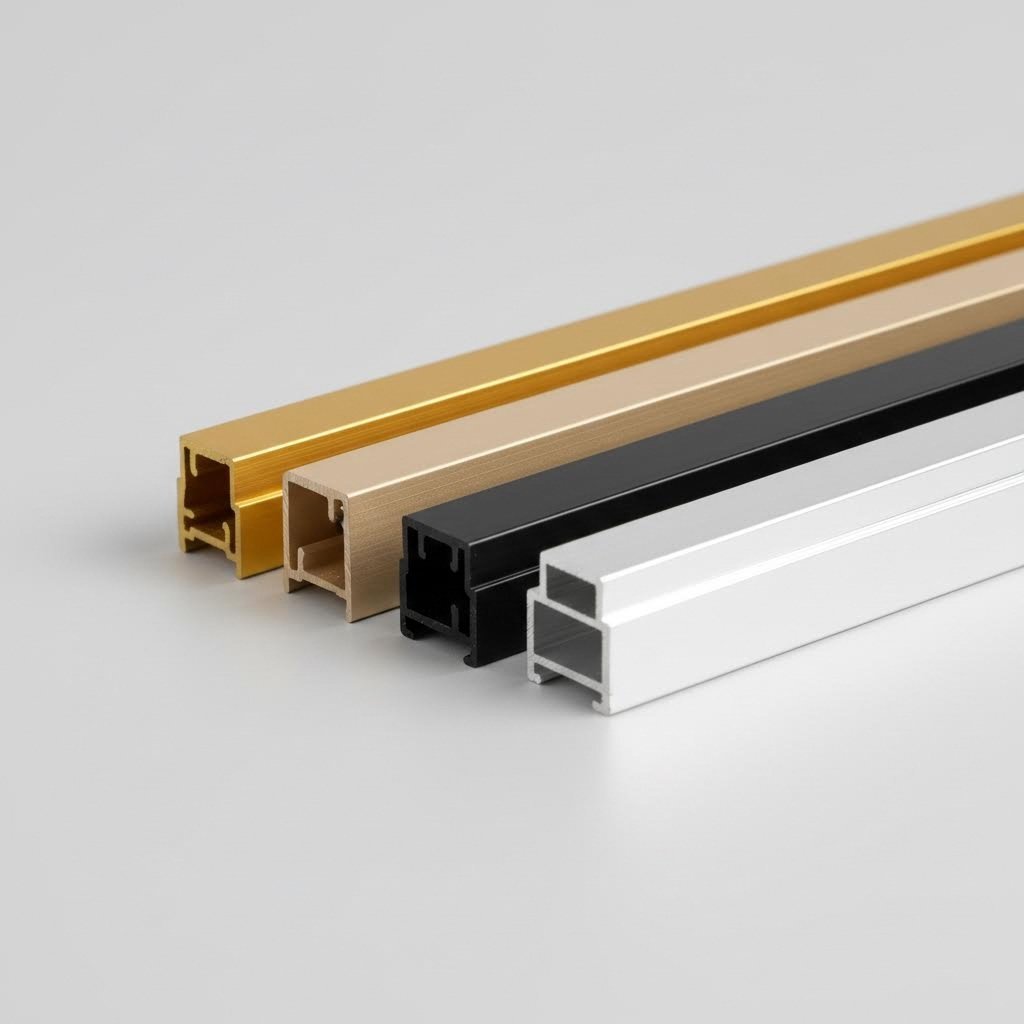
Your aluminium extrusion has been shaped, heat-treated, and fabricated to specification. But here's the thing - raw extruded aluminium, while functional, rarely meets the demands of real-world applications. Surface finishing is where aluminum extrusion material transforms from industrial component to finished product. The right treatment enhances corrosion resistance, improves wear characteristics, and delivers the aesthetic appeal your application requires.
Whether you're producing extruded aluminium profiles for architectural facades or aluminum window extrusion profiles for residential construction, finish selection directly impacts both performance and longevity. Let's explore the options that matter most.
Ever noticed how some aluminum surfaces maintain their appearance for decades while others quickly show wear? Anodizing is often the difference. Unlike coatings that sit atop the metal surface, anodizing creates a protective oxide layer that becomes part of the metal rather than sitting atop its surface.
The process works by submerging your aluminium extrusion in an electrolytic bath and running an electric current through it. Using aluminum as the anode in the circuit accelerates natural oxidation, building an oxide layer far thicker than what forms naturally in air. This artificial oxide layer enhances corrosion resistance, wear resistance, and heat dissipation - while creating an ideal surface for dyes and primers.
Three main anodizing types serve different needs:
What makes anodizing particularly attractive for aluminium extrusion machining applications? The coating is extremely thin - it doesn't significantly affect part dimensions. Precision-machined features maintain their tolerances after treatment. Additionally, anodized surfaces provide better electrical insulation properties, useful for low-voltage applications when combined with other non-conductive coatings.
Need vibrant colors, unique textures, or thick protective layers? Powder coating delivers where anodizing has limitations. This dry application process uses electrostatically charged powder particles that adhere to grounded aluminum parts, then cure in an oven to form a uniform, durable coating.
Powder coating offers several advantages over liquid paints and even anodizing in certain applications:
For architectural applications demanding maximum weatherability, PVDF coatings (often known by the trade name Kynar) represent the premium choice. These fluoropolymer-based liquid coatings have over half a century of proven durability and offer superior color and UV stability under prolonged sun exposure. Major manufacturers back PVDF finishes with 20-year warranties based on extensive historical performance data.
However, PVDF comes with trade-offs: higher cost, requirement for primer and specialized pretreatment, high curing temperatures (450°F), and application restricted to licensed applicators. When weighing options, consider that advances in powder formulation have led to AAMA 2605-certified powder finishes now offering 20 to 30-year warranties, placing them on par with PVDF in durability.
Emerging treatments like micro-arc oxidation push the boundaries further, creating ceramic-like surface layers with exceptional hardness and thermal stability. While still specialized, these advanced treatments are finding applications in aerospace and high-performance industrial components.
| Finish Type | Durability | Color Options | Cost Level | Best Applications |
|---|---|---|---|---|
| Clear Anodizing | Excellent corrosion and wear resistance | Natural metallic appearance only | Moderate | Electronics, appliances, components requiring metallic look |
| Colored Anodizing | Excellent with UV-stable colors | Wide range, fade-resistant | Moderate to High | Architectural trim, sporting goods, consumer products |
| Hardcoat Anodizing (Type III) | Superior abrasion and wear resistance | Limited (dark gray to black) | High | Military equipment, cookware, industrial machinery |
| Powder Coating | Good impact and corrosion resistance | Unlimited colors and textures | Low to Moderate | Outdoor furniture, automotive parts, architectural elements |
| PVDF (Kynar) Coating | Exceptional UV and weather resistance | Wide range, consistent quality | High | Building facades, curtain walls, exterior architectural features |
How do you choose? Consider your environment first. Anodizing excels when you need tight dimensional margins, outstanding corrosion resistance, and an attractive metallic look. If your aluminum will dissipate heat or receive adhesives, anodizing is preferred. Powder coating wins when you need vibrant colors, unique textures, and good protection at lower cost. For premium architectural exteriors exposed to decades of weather, PVDF remains the gold standard.
With surface finishing complete, your extruded aluminium profiles are ready for their intended application. But before placing orders, understanding how to evaluate suppliers and specify custom extrusions correctly can make the difference between a successful project and costly delays.

Now that you understand how aluminum extrusions are made - from billet preparation through surface finishing - you might wonder: where do all these profiles actually end up? The answer spans virtually every industry you can imagine. What are aluminum extrusions used for? Everything from the window frames in your home to structural components in commercial aircraft. The aluminium extrusion industry produces millions of tons annually, and that volume keeps growing as designers discover new ways to leverage the process's unique advantages.
What makes aluminum extrusions so universally appealing? The combination of properties is hard to match: excellent strength-to-weight ratio, natural corrosion resistance, electrical and thermal conductivity, and near-infinite recyclability. Add the design freedom that extrusion provides - complex cross-sections, integrated features, hollow profiles - and you have a manufacturing method that solves problems across remarkably diverse applications.
Walk through any modern building and you'll encounter stuff made out of aluminum at every turn. The construction industry consumes roughly 40% of all extruded aluminum, making it the largest single market for aluminum extrusions. Why such dominance? Buildings demand materials that are lightweight yet strong, weather-resistant yet aesthetically flexible - exactly what extruded aluminum delivers.
Architects particularly value how anodizing and powder coating transform aluminum extrusions into design elements. The same structural profile can appear as brushed silver, matte black, or any color imaginable - all while maintaining the corrosion resistance that keeps buildings looking new for generations.
Beyond construction, what are aluminum extrusions doing in factories, vehicles, and high-tech applications? The list might surprise you with its breadth and sophistication.
Industrial automation and manufacturing:
Transportation sector:
Aerospace aluminum extrusions represent the pinnacle of extrusion engineering. Aircraft structural members, seat tracks, and cargo system components must meet stringent specifications for strength, fatigue resistance, and weight. Aerospace-grade alloys like 7075 push extrusion capabilities to their limits, producing profiles that help modern aircraft achieve fuel efficiency that would have seemed impossible a generation ago.
Electronics and thermal management:
Sustainability drives continued growth. Here's a fact that matters increasingly in today's environmentally conscious marketplace: aluminum is infinitely recyclable without losing its properties. Recycling aluminum requires only 5% of the energy needed to produce primary aluminum. Many extruders now offer profiles containing significant recycled content, helping manufacturers meet sustainability goals without compromising performance.
This recyclability connects directly to the extrusion capabilities we've explored throughout this article. The same processes that create precise profiles from virgin aluminum work equally well with recycled material. Die designs remain unchanged. Heat treatment protocols stay consistent. The result is a truly circular material that serves demanding applications, gets recycled at end of life, and returns as new extrusions - potentially for entirely different uses.
Whether your project involves architectural facades, industrial machinery, or cutting-edge electronics, understanding these applications helps you appreciate why aluminum extrusion has become such a fundamental manufacturing process. The next step? Learning how to specify and source custom profiles that meet your exact requirements.
You've seen how aluminum extrusions are made - from alloy selection through surface finishing. But here's where theory meets practice: how do you actually specify custom extruded aluminum profiles for your project? And equally important, how do you identify a manufacturing partner capable of delivering consistent quality at competitive prices? Whether you're an engineer developing a new product or a buyer sourcing components for production, getting these decisions right saves time, money, and headaches down the road.
The challenge isn't finding suppliers - it's finding the right one. A quick search reveals hundreds of companies offering aluminum extrusion shapes, but their capabilities vary dramatically. Some excel at stock aluminum extrusion profiles but struggle with custom work. Others handle complex geometries but lack finishing capabilities. Understanding what to specify and what to look for in a supplier puts you in control of your project's success.
Before reaching out to any aluminum extrusion machine operator or sales representative, you need clarity on your requirements. Vague specifications lead to quotes that don't match your actual needs - and potentially to parts that don't work. Here's what to define upfront:
Profile geometry and complexity: Start with accurate drawings. As industry experts emphasize, the accuracy of your drawing plays a critical role in the quality and cost of the finished product. If you don't have internal CAD capabilities, work with a manufacturer that has a design team. Provide the final version of your drawing - not a draft - to prevent costly mid-production changes.
Tolerances and dimensions: Don't assume standard tolerances meet your needs. Specify exactly what you require for critical dimensions, angles, and surface flatness. Keep in mind that even being off slightly can prove disastrous for precision assemblies. Discuss tolerance requirements early - tighter specs may require different alloys, dies, or post-processing.
Alloy and temper: Your application dictates material selection. Need maximum extrudability and surface finish? Specify 6063. Require higher strength for structural applications? Consider 6061. And don't forget temper designation - T5 versus T6 significantly impacts mechanical properties and cost.
Surface finish requirements: Are you using extruded aluminum shapes as-is, or do they need anodizing, powder coating, or specialized treatments? Finish selection affects both aesthetics and durability - and some finishes require specific alloy choices to achieve optimal results.
Quantity and delivery: Minimum order quantities (MOQs) vary widely between suppliers. Custom dies require upfront investment, so smaller runs carry higher per-piece costs. Discuss your annual volume projections - not just initial orders - to help suppliers optimize pricing and inventory planning.
With specifications in hand, how do you assess potential manufacturing partners? The difference between a capable supplier and an inadequate one often doesn't show up until production problems emerge. Evaluate these criteria systematically:
For example, a well-equipped supplier like Shengxin Aluminium demonstrates what comprehensive capabilities look like in practice: 35 extrusion presses spanning 600T to 5500T capacity, integrated CNC machining centers for precision fabrication, and complete surface treatment options including anodizing and powder coating. This end-to-end service model - from die development through mass production - streamlines projects that would otherwise require coordinating multiple vendors.
The value of integrated services: Why does end-to-end capability matter? Consider what happens when you split work across suppliers. Your extruded aluminum profiles ship to one facility for machining, then another for finishing. Each handoff introduces transit time, potential damage, and coordination overhead. Quality issues become harder to trace. By contrast, a single supplier managing die development, extrusion, fabrication, and finishing maintains accountability throughout - and typically delivers faster with fewer quality escapes.
Before committing to any supplier, request samples to validate extrusion precision and surface finish quality. Ask for references from companies with similar requirements. And if possible, conduct a factory visit - assess machinery, cleanliness, and workflow organization firsthand. The investment in supplier vetting pays dividends across your entire production relationship.
You've journeyed through the complete process of how extruded aluminum is made - from heated billets forced through precision dies to finished profiles ready for assembly. But understanding the aluminum extrusion definition and process is only half the equation. The real question now: how do you translate this knowledge into a successful project?
Whether you're designing aerospace components, architectural systems, or industrial equipment, the decisions you make at the outset determine your outcomes. Let's distill everything we've covered into actionable guidance that sets your next extrusion project up for success.
How does aluminum extrusion work in practice? Success depends on getting three fundamental elements right:
Alloy selection shapes everything downstream. Choose 6063 when surface finish, extrudability, and corrosion resistance matter most - think architectural trim and decorative components. Opt for 6061 when structural demands require higher tensile strength, even at the cost of slightly reduced surface quality. Remember: the aluminium extrusion meaning extends beyond simple shaping - it's about matching material properties to application requirements.
Die design determines both quality and economics. Invest time upfront working with experienced die engineers. Uniform wall thicknesses, adequate corner radii, and balanced metal flow aren't just technical details - they're the difference between profiles that meet specification consistently and ones that create production headaches. Simpler geometries mean longer die life and lower per-piece costs across extended production runs.
Finishing transforms function and appearance. Anodizing integrates protection into the aluminum itself - ideal for components requiring tight tolerances and metallic aesthetics. Powder coating delivers unlimited colors and textures with excellent impact resistance. For premium architectural exteriors, PVDF coatings offer decades of proven UV and weather performance. Match your finish to your environment and longevity requirements.
The most critical factor in extrusion success isn't any single technical decision - it's partnering with a manufacturer whose capabilities span the entire process from die development through finished, fabricated components.
How is extruded aluminum made efficiently and economically? By consolidating your supply chain. Every handoff between suppliers introduces delay, potential damage, and coordination overhead. The manufacturers who deliver consistently are those offering integrated services: in-house die engineering, diverse press capacities for various profile sizes, CNC machining for precision fabrication, and comprehensive surface treatment options.
When evaluating potential partners, look beyond quoted prices to assess true capability. Can they support your design optimization? Do they maintain quality certifications relevant to your industry? Will they scale with your volume growth? These questions matter more than marginal cost differences.
For readers ready to move from understanding how are aluminum extrusions made to actually producing custom profiles, experienced manufacturers make the difference. Shengxin Aluminium brings over 30 years of extrusion expertise to projects of all scales. Their technical team supports every phase - from initial die development through mass production - backed by 35 extrusion presses ranging from 600T to 5500T and complete in-house finishing capabilities including anodizing and powder coating. Factory-direct pricing eliminates intermediary markups while maintaining the quality control that comes from integrated manufacturing.
The aluminum extrusion process offers remarkable design freedom, material efficiency, and cost-effectiveness - but only when executed by partners who understand how is aluminum extrusion made at every level. With the knowledge you've gained here, you're equipped to specify smarter, evaluate suppliers more effectively, and bring your next project to life with confidence.
Aluminum extrusion begins with cutting an aluminum billet to custom length and preheating it to 750-925°F until malleable. A hydraulic press applies up to 15,000 tons of force to push the softened metal through a precision steel die, creating a continuous profile. The emerging shape is quenched for rapid cooling, stretched to straighten and relieve stress, then cut to final length. Post-processing includes heat treatment (T5 or T6 temper) to develop full strength, by fabrication and surface finishing like anodizing or powder coating.
The five core steps are: 1) Design and prepare the billet and die - select the alloy and engineer the precision die; 2) Extrude - force heated aluminum through the die opening under massive pressure; 3) Quench and cool - rapidly cool the profile to lock in metallurgical properties; 4) Stretch and cut - straighten the profile and cut to manageable lengths; 5) Age, finish, inspect, and pack - heat treat for strength, apply surface finishes, verify quality, and prepare for shipment.
The primary raw material is aluminum billet - a cylindrical log of aluminum alloy typically 6-8 inches in diameter. These billets are produced by smelting alumina and alloying with elements like magnesium, silicon, copper, and manganese to create specific properties. The 6000 series alloys (especially 6063 and 6061) are most common, offering excellent extrudability and mechanical properties. Many extruders now use recycled aluminum content, which requires only 5% of the energy needed for primary aluminum production.
The 80/20 brand name comes from Pareto's Law, developed by Italian economist Vilfredo Pareto, which states that 80% of results come from 20% of efforts. The company chose this name to reflect their modular aluminum framing system's efficiency - the T-slot profiles allow users to build structures quickly without welding or complex fabrication. This 8020 aluminum material has become synonymous with industrial modular framing, used for machine guards, workstations, and custom equipment worldwide.
6063 aluminum contains less magnesium and silicon, making it easier to extrude with superior surface finish - ideal for architectural applications like window frames. It offers excellent corrosion resistance and anodizes beautifully. 6061 aluminum has higher alloying content including copper and chromium, delivering greater tensile strength (35 ksi vs 27 ksi in T6 temper) but with slightly reduced extrudability. Choose 6063 for decorative profiles and 6061 for structural components requiring maximum strength.



 serviço on-line
 0086 136 3563 2360
 sales@sxalu.com
 +86 136 3563 2360
 português
 English
 français
 Deutsch
 русский
 español
 العربية
 ไทย
ไทย Việt
Việt Українська