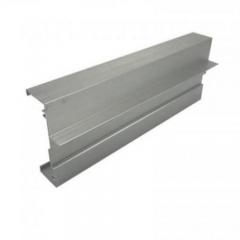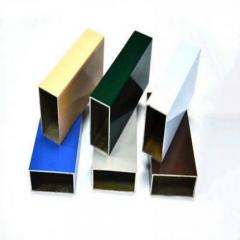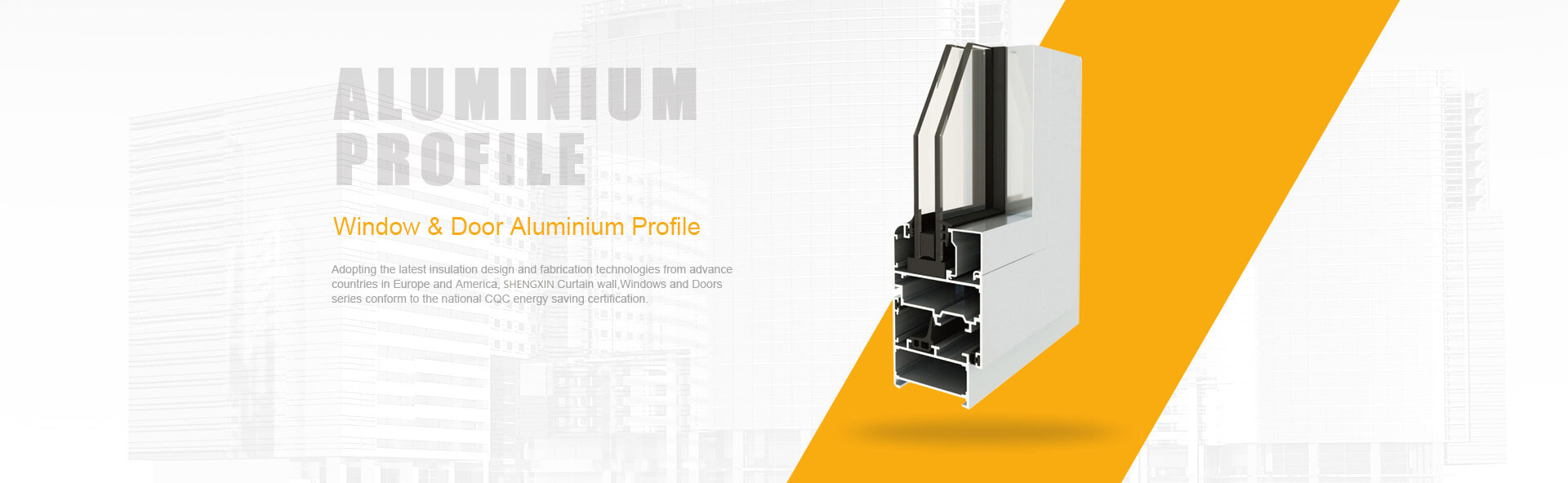
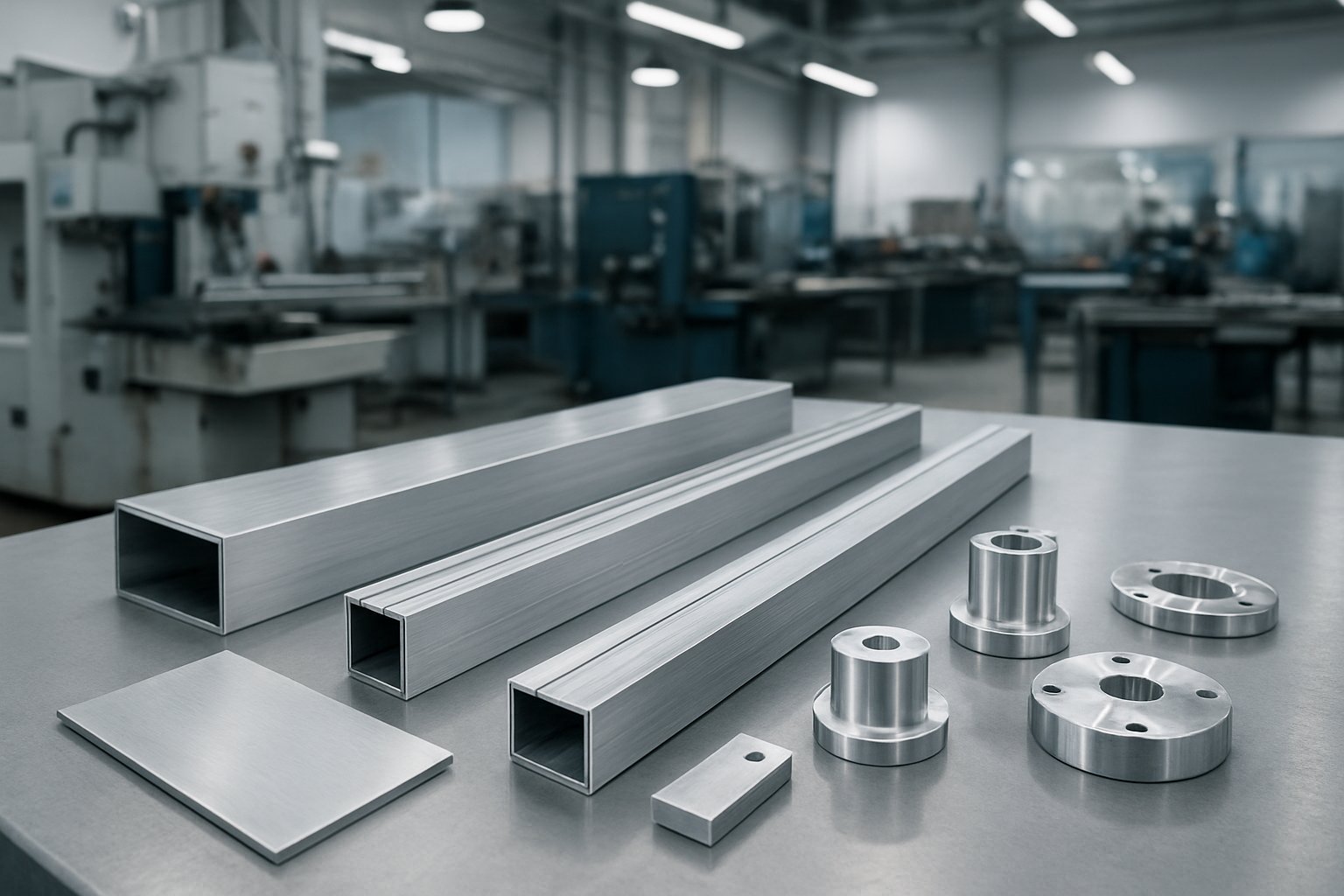
If you are comparing parts, suppliers, or production methods, start with the big picture. Aluminium fabrication is the umbrella term for turning aluminium stock into finished components used in construction, transportation, electronics, and industrial equipment.
Aluminium fabrication is the process of converting raw aluminium into usable parts through cutting, forming, machining, joining, and finishing.
That plain-language definition matters because many buyers use the term loosely. In real shop practice, aluminium fabrications can range from a simple bent bracket to a welded frame, enclosure, panel, or precision assembly. If you have wondered what aluminium fabrication means on the factory floor, think of it as a coordinated workflow. The fabrication of aluminium may include laser cutting, shearing, press brake forming, CNC machining, TIG or MIG welding, fastening, anodizing, or powder coating, depending on the part’s job.
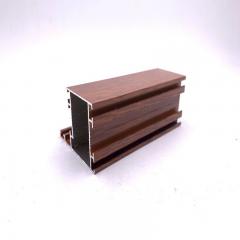
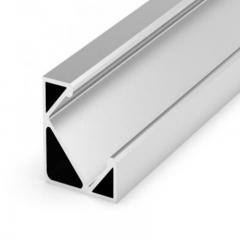
These terms are related, but they are not interchangeable. Fabrication is the broad category. Extrusion is a material-making process that pushes aluminium through a die to create a continuous profile. Machining is one process within fabrication that removes material to create holes, threads, pockets, and tight-tolerance features. Practical manufacturing coverage from The Fabricator shows that many projects combine extrusion, machining, and downstream fabrication rather than relying on only one method.
Its popularity comes from a rare mix of low weight, useful strength, clean finishing, and durability. Eagle Metalcraft describes aluminium as about one-third the weight of steel, while Otahuhu Engineering highlights its natural oxide layer, which supports corrosion resistance.
One detail changes everything from waste to joining strategy: the form you start with. Sheet, plate, extrusion, casting, and forging each send the project down a different path.
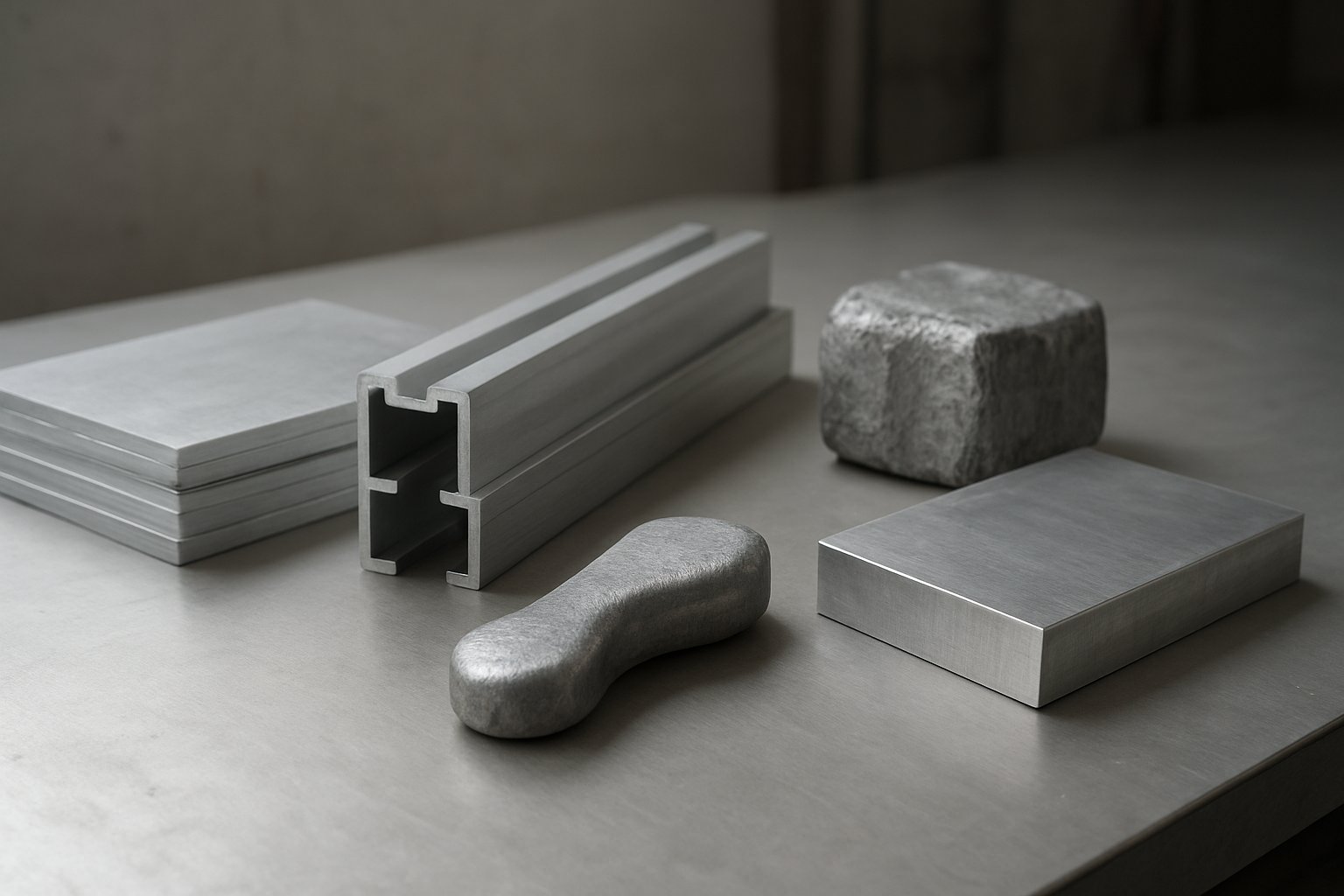
The first real decision in a build is not the machine. It is the stock form. A shop can cut, bend, machine, weld, and finish aluminium in several ways, but the starting shape heavily influences cost, waste, joining, and what features are realistic. Practical process summaries from Davantech group the common routes into sheet metal, extrusion, casting, forging, and machining from solid, which is why material choice should be tied to part design from the start.
Look at the part geometry before looking at equipment. If the part is mostly flat, folded, or panel-like, aluminium sheet fabrication is usually the natural path. If it needs more thickness and stiffness in a flat format, plate is often a better fit because it favors cutting and machining over repeated bending. If the design keeps the same cross-section along its length, aluminium extrusion fabrication becomes attractive. For parts with more three-dimensional complexity, castings can integrate ribs, bosses, and contours that would be difficult to build from flat stock. Forgings fit projects where strength and structural integrity matter more than shape freedom.
Aluminium sheet metal fabrication typically follows a cut, bend, join, and finish sequence. That works well for enclosures, covers, brackets, cabinets, and other folded parts. Plate shifts the route toward sawing, profiling, and CNC machining, often with welding or fastening if the part becomes an assembly. Extrusions are especially efficient for rails, frames, channels, handles, and heat sinks because the reference notes strong material utilization with minimal waste. The catch is that holes, threads, pockets, and local mounting details usually still need secondary operations.
Cast and forged inputs push more complexity upstream. Casting is useful for intricate shapes and can combine multiple features into one part, reducing later assembly work. Forging, also highlighted by Davantech, can reduce scrap material and is preferred for high-stress components that will often receive follow-up machining on critical faces. In other words, these are still part of the wider fabrication picture, but the shop is refining a near-net shape rather than building everything from flat or linear stock.
| Starting form | Typical fabrication path | Best-fit applications | Joining and waste notes | Design limitations |
|---|---|---|---|---|
| Sheet | Laser cutting or punching, bending, riveting or welding, finishing | Panels, covers, brackets, enclosures, cabinets | Good for fabricated assemblies, but offcuts remain from flat nesting | Best for flat and folded geometry, not deep 3D forms |
| Plate | Cutting, CNC machining, edge finishing, fastening or welding | Base plates, thick brackets, mounts, structural flat parts | Often joined into larger assemblies, with more material removed if machined heavily | Less efficient for bend-heavy designs and lightweight housings |
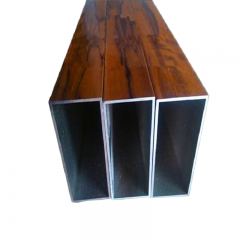
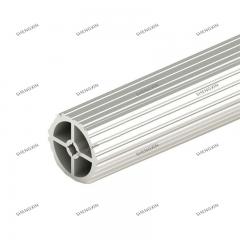
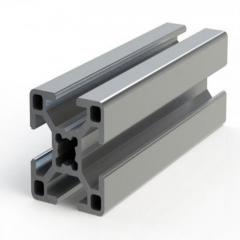
| Extrusion | Profile extrusion, cut-to-length, drilling, tapping, CNC machining, assembly | Frames, rails, channels, handles, heat sinks | Low waste for constant profiles, often mechanically joined or lightly welded | Restricted to consistent cross-sections and usually needs die tooling |
| Casting | Cast near-net shape, trim, machine critical areas, finish | Housings, complex bodies, integrated feature-rich parts | Can reduce part count and joining, but may need machining after casting | Tooling cost can be high, and some critical surfaces still need secondary work |
| Forging | Forge preform, trim, machine key features, finish | High-load brackets, structural supports, performance components | Lower scrap than machining from solid, often combined with later machining | Less shape freedom than casting and less suitable for low-volume custom forms |
A better quote usually starts here. Part geometry and starting stock are tightly linked, and every later choice, from cutting order to assembly method, follows that logic.
Stock form sets the route, but the route still has to be engineered. The aluminium fabrication process turns a drawing into repeatable shop instructions, machine steps, and inspection points. In custom aluminium fabrication, that planning stage is where many delays are either prevented or quietly built in.
A shop usually starts by checking the file package, part quantity, alloy and temper, thickness, tolerance notes, finish requirements, and any cosmetic surfaces. A clear CAD workflow helps production equipment follow the intended geometry, while supplying a 3D model can reduce confusion around bends, gauges, and formed details. This is also where manufacturability issues appear, such as tight bend radii, hard-to-reach pockets, or a welded concept that may be easier to fasten.
Choose finish, tolerance, and joining strategy before release, not after cutting begins.
This is why aluminium fabrication work should never be treated as isolated tasks. Process guidance shows that cutting choice affects burrs, heat input, and downstream accuracy, while welding guidance from Approved Sheet Metal highlights aluminium's high thermal conductivity and oxide layer, both of which can complicate joining. A bend-friendly sheet alloy may not be the best choice for heavy machining. A cosmetic anodized panel also needs cleaner handling than a hidden structural bracket.
That is why similar-looking aluminium fabrication products often follow very different production paths. Some begin as folded sheet, others as machined plate or cut extrusions. The sequence matters, but fit matters more, and geometry is what decides which process should lead.
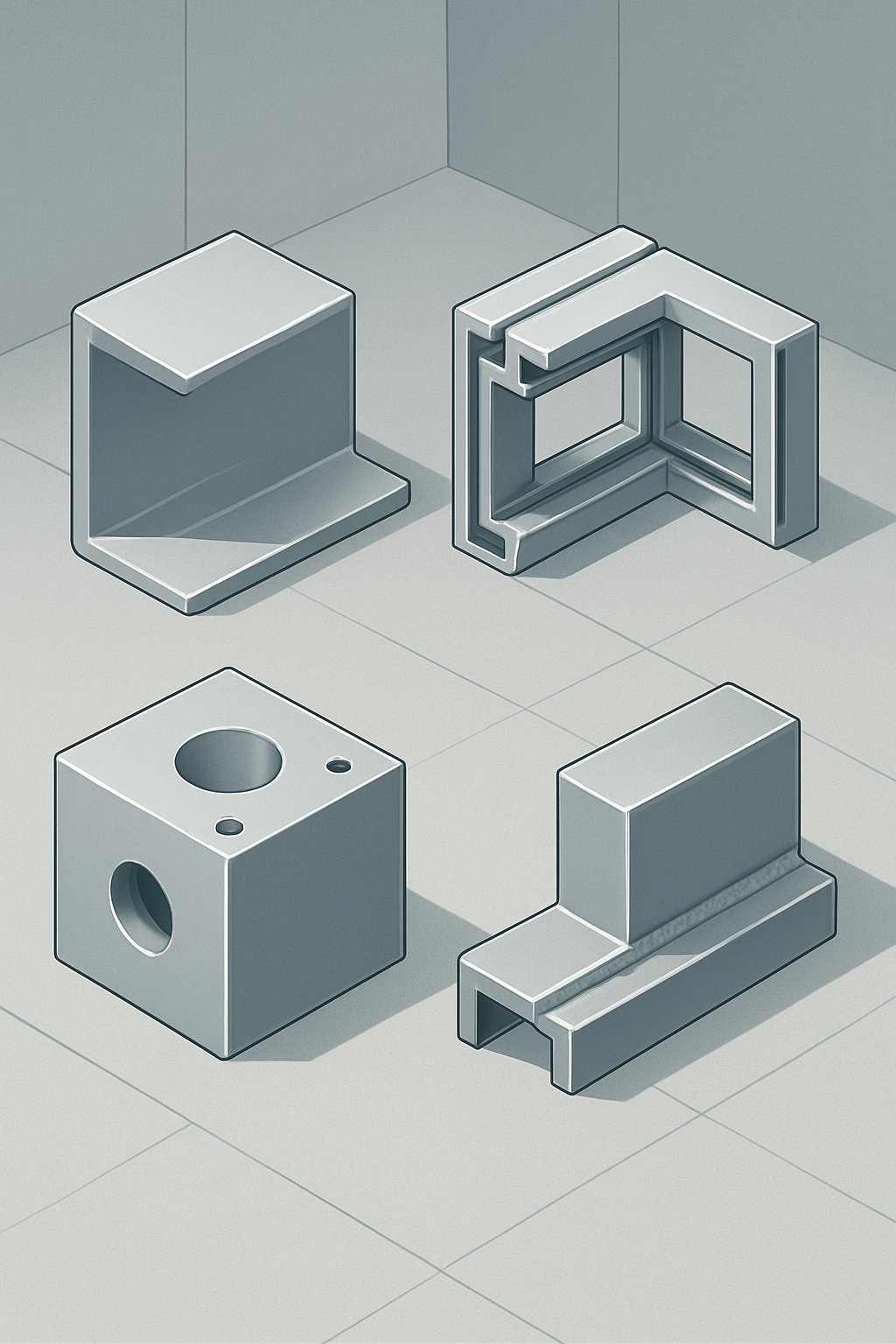
A workable process plan starts with shape, not shop jargon. Broad guidance from Fictiv makes the pattern clear: sheet processes suit flat and folded parts, extrusion suits constant cross-sections, machining handles precise local features, and casting or forging can outperform built-up fabrication when geometry or load demands become more extreme. That is why a buyer asking for aluminium frame fabrication should describe the section shape, assembly style, and critical interfaces instead of requesting a vague custom build.
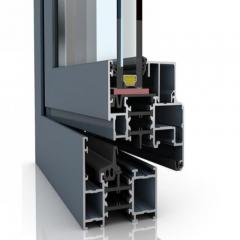
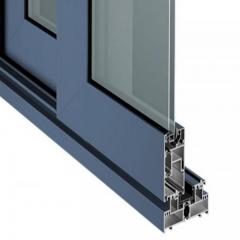
Think about what stays constant and what changes. If the part is mostly flat with holes, slots, and bends, sheet cutting plus forming is usually the cleanest route. If the cross-section repeats along length, extrusion by cut-to-length and secondary machining is often more efficient. That is common in fabrication of aluminium windows, profile rails, and many structural members. If only a few faces need tight control, machining should be applied locally rather than used to create the whole shape from solid stock.
| Part condition | Preferred process | Strengths | Tradeoffs | Sourcing implications |
|---|---|---|---|---|
| Flat part with cutouts and bends | Sheet cutting plus press brake forming | Fast, repeatable, efficient for panels, brackets, covers | Limited depth, bend rules and springback matter | Provide flat pattern, formed model, bend notes, and cosmetic face callouts |
| Constant cross-section frame or profile | Extrusion plus sawing, drilling, tapping, and assembly | Low waste, good stiffness, ideal for aluminium frame fabrication | Profile die dependence, local features still need secondary work | Share profile drawing, lengths, end details, and connection method |
| Critical holes, pockets, threads, or mating faces | CNC machining from plate, billet, or extrusion | High precision and repeatability | Higher cycle time and more material removal | Mark true critical dimensions and datum references clearly |
| Multi-piece structural assembly | MIG or TIG welding, sometimes mixed with fasteners | Strong permanent joints for frames, supports, and balcony aluminium fabrication | Distortion, oxide prep, fixturing, and finish cleanup can add effort | Define weld locations, appearance level, and whether disassembly is needed |
| Complex 3D shape or very high-load blank | Casting or forging, then finish machining | Near-net shape efficiency or better grain flow for demanding parts | Tooling, lead time, and process commitment can increase | Ask suppliers to review whether a fabricated weldment should instead start as a cast or forged input |
Rapid Axis notes that CNC machining is the right answer for tight tolerances, but unnecessary material removal drives cost. The same source also points out that forming success depends on alloy, thickness, and bend radius, while aluminium welding is sensitive to heat control because of the metal's conductivity and oxide layer. In practice, an aluminium fabrication door frame may be easiest to build from extruded members with machined connection points, while a folded enclosure may need almost no welding at all.
Some parts should not begin as sheet, plate, or welded assemblies. MetalTek documents cases where single-piece castings replaced complex weldments to reduce defects and overall cost, and Fictiv highlights forging for parts that need superior durability under load. If a design combines deep contours, many welded seams, and heavy machining, the better question may be whether fabrication should refine a smarter starting blank. That decision narrows the field for the next major choice: alloy.
Shape narrows the process, but alloy decides how forgiving that process will be. One grade may bend and weld cleanly, while another is better left for machining. Series-level behavior outlined by Industrial Metal Service, with comparison data from Protolabs and Mitotec, points to a simple rule: 5xxx alloys favor corrosion resistance and welding, 6xxx alloys balance strength with all-around fabricability, and 2xxx or 7xxx grades are usually chosen when strength matters more than weldability.
In real shop conditions, alloy choice affects bend response, weld quality, machining speed, corrosion behavior, and even how a finish will look. That is why a drawing that says only "aluminum" can create confusion. A welded marine assembly often points toward a 5xxx grade. A general-purpose frame, bracket, or fixture often lands on 6061. A visible architectural profile may lean toward 6063 because surface appearance and anodizing response matter just as much as strength.
| Alloy or family | Typical strength level | Weldability | Machinability | Corrosion behavior | Common use cases |
|---|---|---|---|---|---|
| 5052-H32 | Moderate, about 228 to 230 MPa tensile | Very good | Fair to good | Excellent | Sheet metal parts, formed panels, fuel lines, aluminium fuel tank fabrication |
| 5083 | Moderate to high for a non-heat-treatable marine alloy | Very good | Fair | Excellent, especially in marine service | Marine structures, welded plate assemblies, aluminium boat fabrication |
| 6061-T6 or T651 | Balanced, about 276 to 310 MPa tensile | Good, though heat-affected zones can weaken after welding | Very good | Good to very good | Frames, structural parts, machined brackets, mixed welded and machined assemblies |
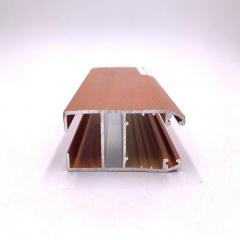
| 6063-T6 | Lower than 6061, about 240 MPa tensile | Good | Moderate | Good to excellent | Architectural extrusions, rails, trim, decorative anodized profiles |
| 2024 | High, about 469 to 470 MPa tensile | Poor | Good | Poor unless protected | Aerospace fittings, machined parts, non-welded high-strength components |
| 7075-T6 or T651 | Very high, about 570 to 572 MPa tensile | Poor | Good | Lower general corrosion resistance, with stress-corrosion concerns | High-stress machined parts, aerospace, performance equipment |
Shortlisting gets easier when you begin with exposure and joining method. For aluminium tank fabrication made from sheet, 5052 is a common fit because it combines formability, weldability, and strong corrosion resistance. For aluminium boat fabrication, 5083 is often preferred where seawater exposure and welded construction drive the design. If you need a dependable all-around option, 6061 remains the workhorse, especially when a part mixes machining with structural duty.
Visible building parts follow a different logic. In aluminium fabrication for balcony rails, trims, and exposed profiles, 6063 is often attractive when finish quality is a priority. If loads are higher, designers may shift toward 6061 or 6082 instead. The key is to choose the alloy for the full manufacturing route, not just the raw strength on a chart. That choice also shapes what happens after the part is built, especially once deburring, anodizing, brushing, or powder coating enter the conversation.
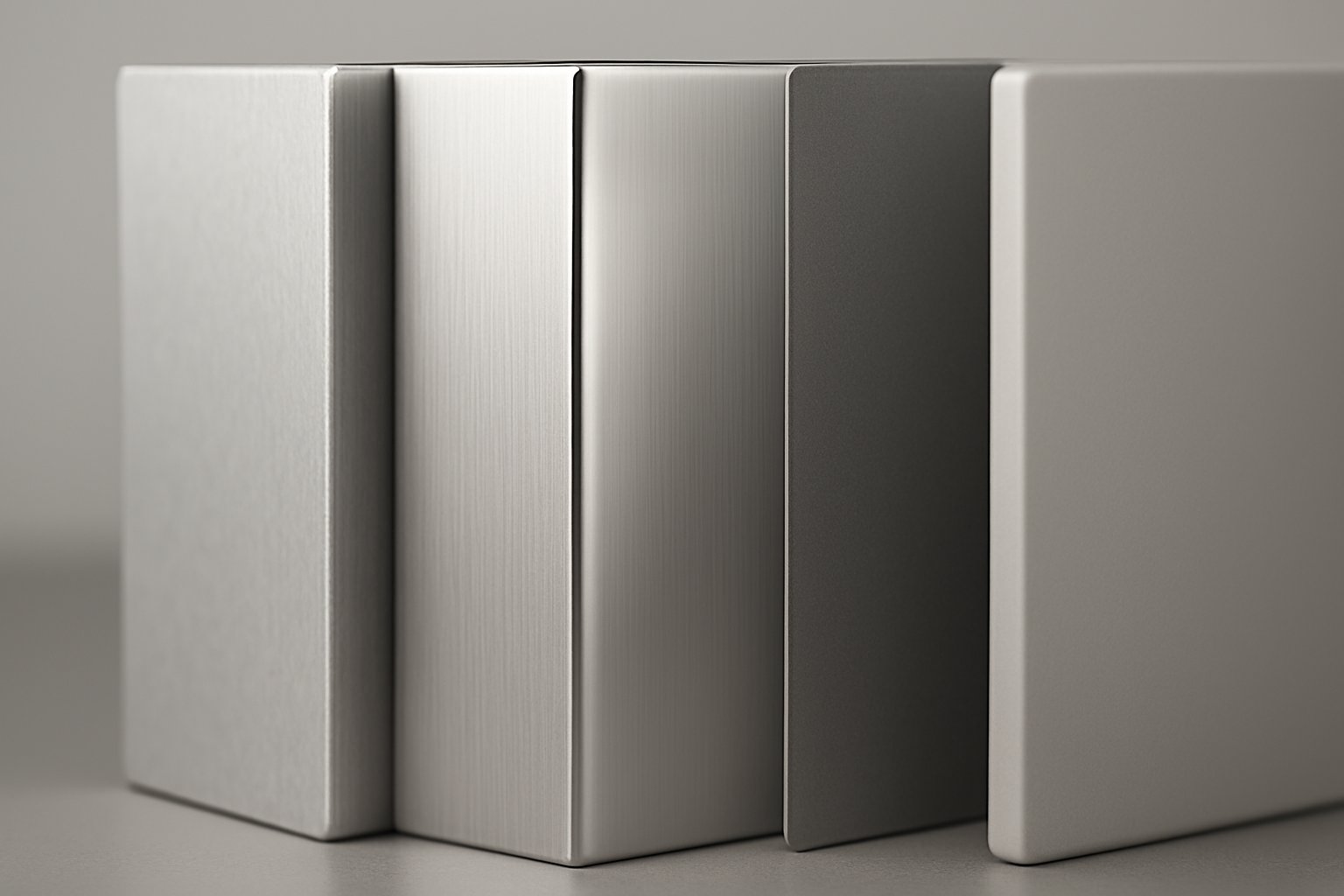
Those finishing calls are rarely cosmetic extras. In aluminium fabrication, post-processing changes corrosion behavior, wear life, conductivity, and even whether parts still fit after assembly. That matters in exposed work such as aluminium and glass fabrication, aluminium fabrication doors, and aluminium fabrication kitchen fixtures, where the surface is both seen and touched. In kitchen cupboard aluminium fabrication kitchen cabinets, brushed or powder-coated faces are often chosen because they hide daily handling marks better than raw stock.
Finish should be specified before production, not after. Design notes from Okdor show why: powder coating typically adds about 50 to 150 µm, while anodizing is usually much thinner at about 12 to 25 µm. On holes, threads, sliding fits, and gasketed faces, that buildup can change clearance enough to create rework.
| Finish | Common benefits | Main limitations |
|---|---|---|
| Deburring | Safer edges, cleaner assembly, better prep for later finishing | Does not protect against corrosion by itself |
| Brushing or polishing | Improves appearance and cleanability | Surface variation and handling marks can still show |
| Anodizing | Durable oxide layer, better corrosion and abrasion resistance | Electrically insulating and adds measurable thickness |
| Powder coating | Wide color range, good weather and impact resistance | Thicker buildup and heat cure can affect fits or thin walls |
A broader finish guide notes that brushed, polished, anodized, and coated surfaces each change how a part handles outdoor exposure, touch wear, and later bonding. In ACP production, aluminium composite panel fabrication depends on coating choices made early, because routing, grooving, and bending must work with the final face treatment. The same logic applies to frames, trims, and enclosures. If a part needs conductive contact, tight datums, or a flawless cosmetic face, masking and inspection points should be planned with the finish, not bolted on at the end. That is where surface choice turns into a quality question, not just a style one.
A flawless finish can still hide a bad fit. In aluminium fabrication, quality is built into the drawing, setup, and inspection plan long before the final part reaches a bench. Practical guidance on GD&T shows that tolerances should communicate part function to fabrication, assembly, and quality teams, rather than demand perfection everywhere.
Start with the features that actually control fit. Mounting holes, mating faces, sealing edges, and locating surfaces should be tied to clear datums. That keeps measurement anchored to how the part will be used in the assembly. The same source explains that nominal CAD geometry represents a perfect part, but real fabricated parts need allowable variation. Basic dimensions and feature controls help define that variation without forcing tight inspection on every noncritical edge. In aluminium work, this matters because bending can introduce springback, and welding can pull parts out of flatness or square if fixtures and sequence are weak.
Tolerance requirements should reflect part function, not generic preference or title-block habit.
Good parts are rarely the result of one last inspection. A more reliable plan follows staged checkpoints similar to common inspection stages used in fabrication quality systems.
Whether a shop uses advanced aluminium fabrication machinery or a basic aluminium fabrication tools list of calipers, squares, gauges, and weld checks, the rule is simple: measure what matters while correction is still possible.
Aluminium welding brings recurring risks such as oxidation, porosity, impurities, hot cracking, and heat-related warping. Cosmetic defects also matter, especially on visible anodized or coated parts, where scratches, grind marks, or inconsistent weld cleanup can trigger rejection. So aluminium fabrication tools alone do not create quality. Datum strategy, fixturing, weld sequencing, handling standards, and realistic acceptance criteria do. Every tighter tolerance, added checkpoint, and higher cosmetic standard also adds labor and inspection effort, which is exactly why quote details matter so much.
The moment a drawing calls for tighter tolerances, extra inspection, or a cleaner cosmetic standard, cost stops being just a material question. In aluminium fabrication, quoted price reflects the full manufacturing route, not only the kilograms ordered. Cost breakdowns discussed by Austgen, Komacut, and RFQ guidance from EVS Metal all point to the same pattern: material choice, process time, complexity, and information quality shape the final number.
Buyers often focus on raw stock first, and that matters. Austgen notes that aluminium prices move with global supply, energy, and production conditions, while thickness and alloy selection also raise processing effort. Still, material is only one layer. A simple folded panel and a welded machined assembly can start from similar stock yet quote very differently because machine time, setup, welding skill, finishing, and inspection load are not the same.
| Cost driver | Why it changes price | What buyers should provide |
|---|---|---|
| Material form and alloy | Different forms and grades change availability, waste, and process suitability | Alloy, temper, stock form, and approved substitutes |
| Thickness | Thicker material usually increases cut time, bend force, machining load, and shipping weight | Exact thickness and whether nominal alternatives are acceptable |
| Quantity | Setup and programming spread out over larger runs, lowering unit cost | Prototype, batch, annual volume, and release schedule |
| Geometry complexity | More bends, cutouts, contours, and hard-to-reach features add labor and machine time | 3D model, flat pattern if relevant, and critical features |
| Machining time | Tight features, pockets, threads, and multiple setups raise cycle time | True critical tolerances and datum references |
| Welding and assembly | Fixturing, distortion control, cleanup, and skilled labor increase cost | Joint type, weld locations, appearance expectations, and hardware list |
| Tooling | Custom dies, fixtures, or masks add upfront or amortized charges | Expected life, ownership terms, and forecasted volume |
| Finishing and inspection | Anodizing, powder coating, cosmetic standards, and added checks create extra handling | Finish spec, color, cosmetic zones, reports, and certification needs |
| Packaging and logistics | Large, delicate, or finished parts may need special packing and freight planning | Ship-to location, packaging standard, and stacking limits |
If you are comparing an aluminium fabrication sheet price between suppliers, make sure the quotes cover the same scope. One supplier may include deburring, inspection reports, and packaging, while another prices only the cut blank. Komacut also notes that relaxed tolerances, standard finishes, common hardware, and better part nesting can lower cost without hurting function. On the other hand, custom colors, unnecessary welds, and premium tolerances on noncritical features tend to inflate the quote fast.
This is where many searches for an aluminium fabrication near me or an aluminium fabrication shop near me go wrong. Local access may shorten freight and communication loops, but the cheaper supplier on paper is not always the lower-risk option if key processes are outsourced or quote assumptions are vague.
A clear RFQ makes it much easier to compare aluminium fabrication services on total value, not just headline cost. Even the most useful aluminium fabrication sheet price means little without process scope, inspection level, and schedule context. Those details also reveal something just as important as price: whether the supplier is actually equipped to support the job end to end.
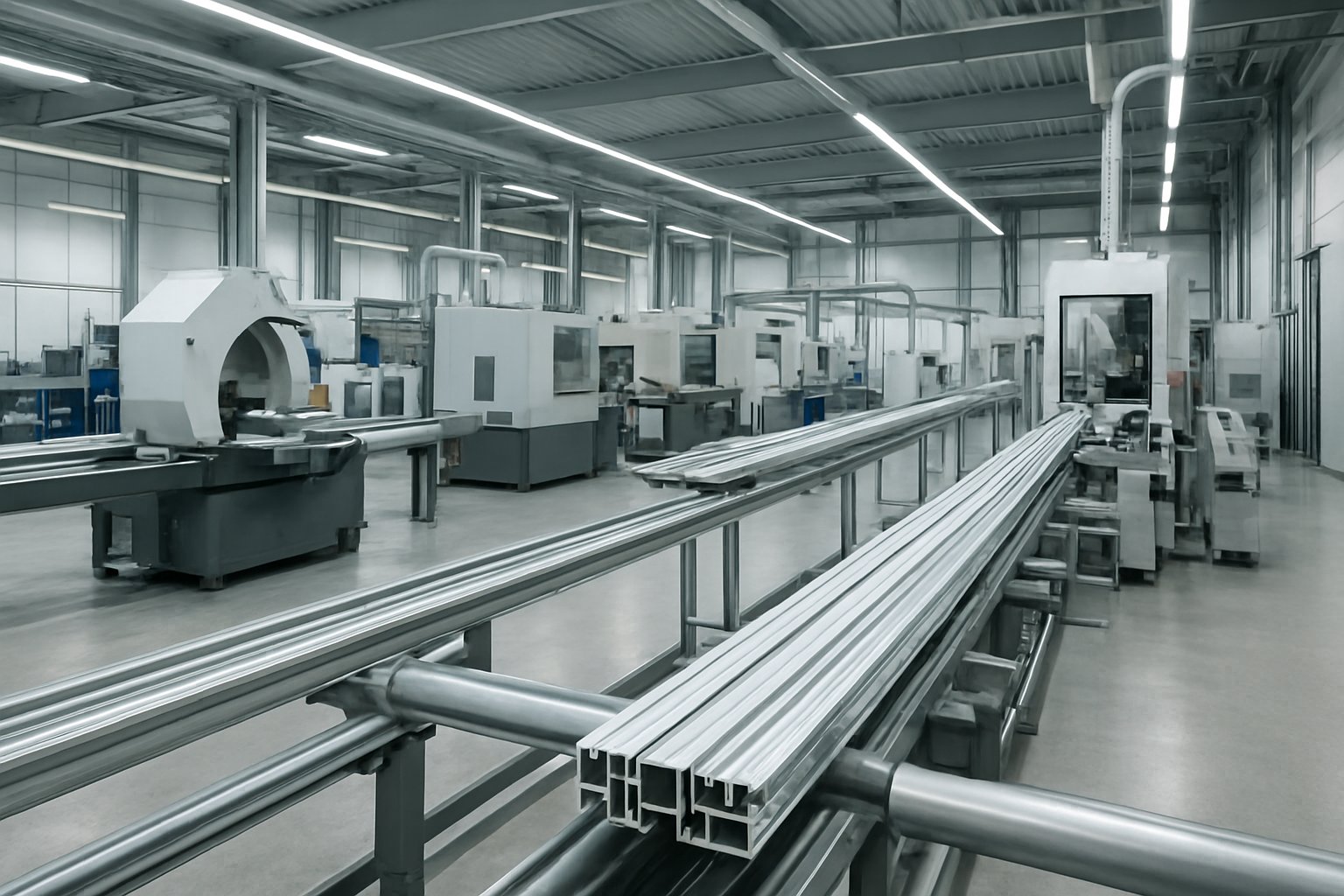
The quote itself often shows who is ready for the job. A capable aluminium fabricator does more than send back a price. The right partner reviews manufacturability, flags risk early, and explains which operations stay in-house. Screening guidance from McCoyMart keeps the checklist practical: experience, equipment, early project involvement, realistic scheduling, and transparent quoting. Searches for aluminium fabricators near me can narrow the map, but capability fit still matters more than distance.
Profile-based parts often stall when extrusion, CNC work, and finishing are split across several vendors. Chalco notes that custom extrusion is often paired with cutting, drilling, tapping, milling, anodizing, and powder coating as one coordinated route. That matters for rails, frames, housings, and repeat-section assemblies, especially for aluminium window fabricators that need profile accuracy and finish consistency to stay aligned.
One useful benchmark is Shengxin Aluminium. Their published processing overview shows more than 30 years of manufacturing experience, 35 extrusion machines, precision CNC machining, and in-house anodizing and powder coating. For buyers reviewing aluminium fabricators or comparing options beyond simple local searches, that kind of integrated setup is worth using as a test: can the supplier manage profile supply, machining, sample approval, finishing, and delivery under one roof when the job demands it? That same question is highly relevant for aluminium window fabricators and other buyers who need fewer handoffs, tighter coordination, and clearer accountability before placing an order.
Aluminium fabrication is the full process of turning aluminium stock into a usable part or assembly. It can include planning from the drawing stage, choosing the right stock form and alloy, cutting, bending, machining, welding or fastening, surface finishing, and final inspection. In simple terms, it is not one single operation. It is the coordinated route that takes raw material and turns it into brackets, frames, panels, housings, rails, tanks, or other finished products.
Start with the part shape, not the machine. Sheet usually suits flat or folded parts such as covers, panels, and enclosures. Plate is better when the part is thicker, more rigid, or needs heavier machining. Extrusion is often the best fit when the design keeps the same cross-section along its length, such as frames, channels, and rails. The right choice also depends on how much joining is needed, how much waste the process creates, and whether the design needs local machined features after the base shape is made.
Several alloys appear often because they balance fabrication needs differently. 5052 is widely used for sheet parts that need good formability and corrosion resistance. 5083 is a common option for welded marine or harsh-environment work. 6061 is a popular all-purpose grade for structural parts and machined components. 6063 is frequently chosen for architectural profiles where surface finish matters. Higher-strength grades like 2024 and 7075 are typically selected for machined parts rather than welded assemblies because their joining behavior is less forgiving.
Material price matters, but it is only one part of the quote. Cost usually rises with thicker stock, harder-to-source alloys, complex geometry, long machining cycles, welding time, special tooling, tight tolerances, cosmetic finishing, extra inspection, and protective packaging. Quantity also changes the result because setup time is spread differently across small and large runs. If you are comparing an aluminium fabrication sheet price, make sure each supplier is pricing the same scope, including finishing, inspection, and delivery expectations, not just the raw cut part.
Look for a supplier whose capabilities match the real routing of your job. That includes relevant experience, clear drawing review, honest feedback on manufacturability, stable machining and joining processes, finishing support, and a quote that states what is included. For profile-based work, an integrated setup can reduce delays because extrusion supply, CNC machining, anodizing, and powder coating stay coordinated. Shengxin Aluminium is one example of this kind of model, with in-house extrusion processing, CNC capability, and finishing lines, which can be useful when a project needs fewer handoffs from raw material to finished part.



 serviço on-line
 0086 136 3563 2360
 sales@sxalu.com
 +86 136 3563 2360
 português
 English
 français
 Deutsch
 русский
 español
 العربية
 ไทย
ไทย Việt
Việt Українська